Smiling woman with a blonde bob and tan cardigan showing healthy teeth after periodontal treatment

Dental Fillings

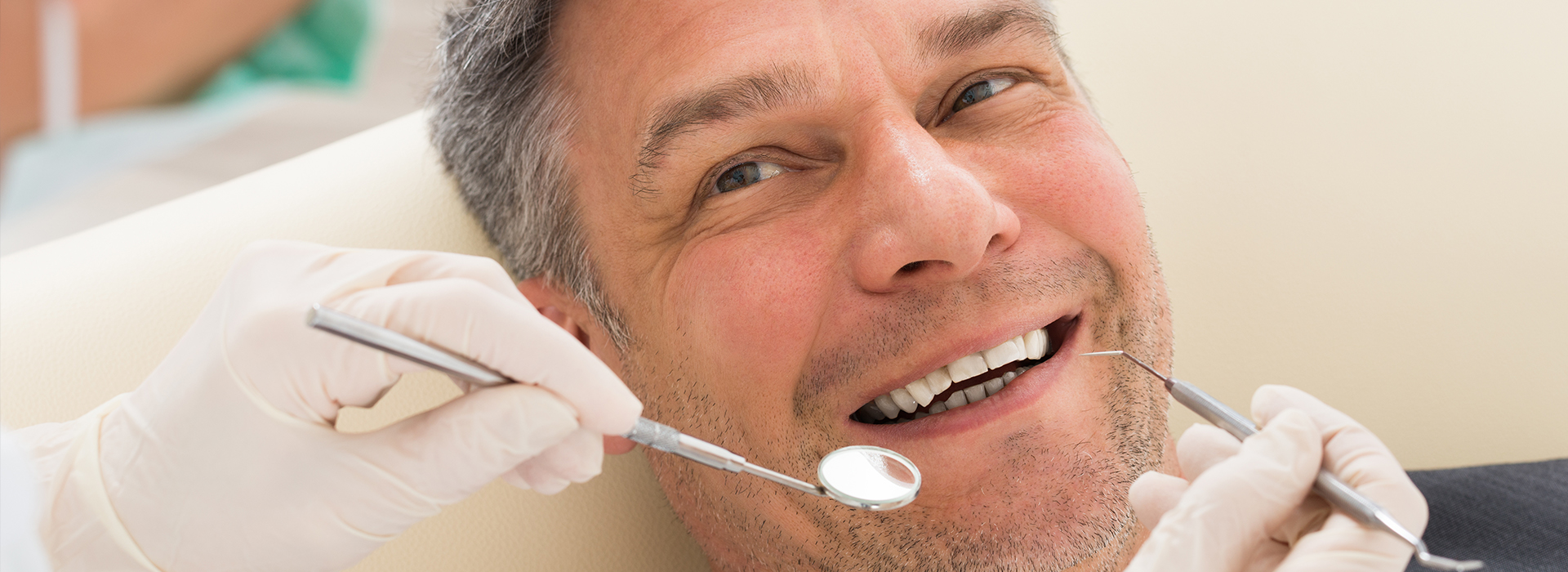
Smiling man reclining in a dental chair as gloved hands hold a mouth mirror and probe during a dental filling exam

Conservative Repairs That Preserve Your Natural Tooth

When a tooth is affected by decay or a small fracture, the goal is to restore strength and function while keeping as much healthy structure as possible. Modern composite fillings allow dentists to repair teeth with a minimally invasive approach: the decayed material is removed, and a tooth-colored resin is bonded into the cavity to rebuild the tooth's shape. This method supports the remaining enamel and dentin so the repaired tooth can continue to perform under normal chewing forces.

Composite resin is designed to mimic the physical properties of natural tooth tissue, which helps the restoration integrate with the surrounding tooth rather than acting as a separate, rigid block. That means fewer changes to how your tooth responds to stress and temperature, and a more natural-feeling result when you bite or chew. Dentists choose conservative techniques to maximize long-term tooth retention and limit the need for larger restorations down the road.

At the office of Macri Dental, we focus on treatments that protect your long-term oral health. Opting for conservative repairs when appropriate reduces the cycle of repeated interventions and preserves options for future care. Every treatment plan begins with a careful assessment so the chosen solution balances durability, function, and appearance for each patient.

Why Tooth-Colored Materials Are the Modern Standard

Tooth-colored composites blend aesthetics with performance. Unlike traditional metal restorations, composite materials are free of metals and are matched to the shade of your surrounding teeth to create a seamless appearance. For many people, the cosmetic advantage is the first benefit they notice, but the material’s ability to bond to tooth structure also contributes to a reliable seal that helps prevent bacteria from re-entering the cavity.

Composites are layered and cured in stages, which gives the clinician control over shape and contour. That layering technique permits fine adjustments to match texture, translucency, and occlusion — the way your teeth meet when you bite. Because less healthy tooth needs to be removed to accommodate a composite filling, this approach is often considered a conservative choice that preserves more of what nature gave you.

Beyond looks, modern resins have improved wear resistance and color stability compared with earlier generations of composite. Proper placement and finishing by a trained clinician, combined with routine care at home, are the factors that most influence how long a filling will perform well in everyday function.

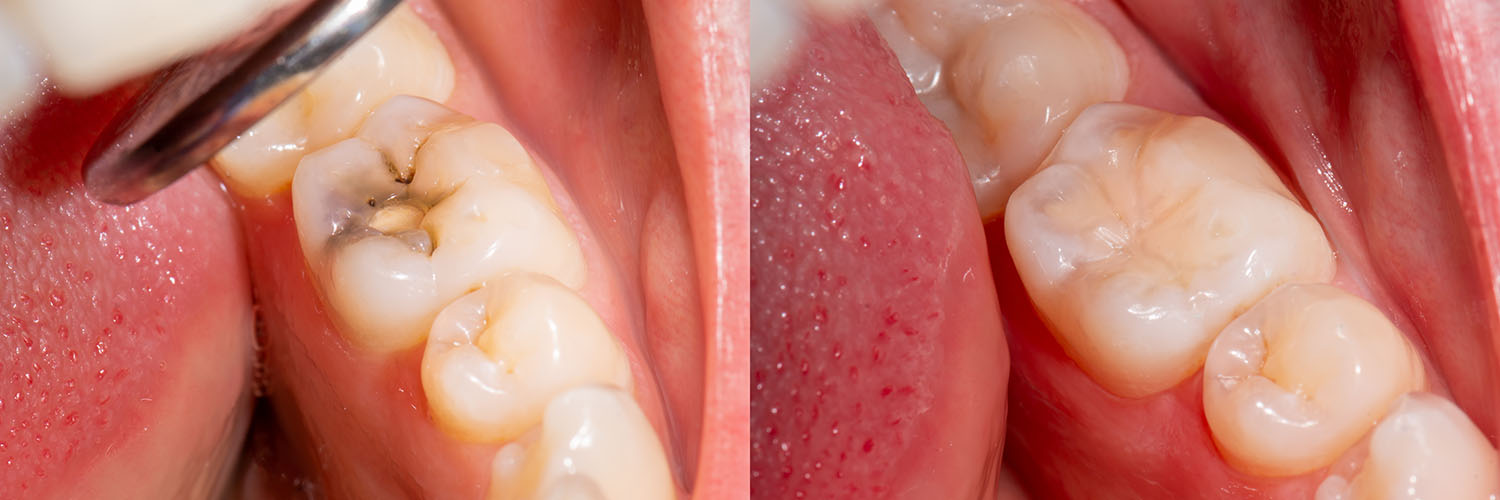
Before and after close-up of molars with dark cavity grooves on the left and smooth tooth-colored fillings on the right

What Happens During a Filling Appointment

A filling visit typically begins with a clinical exam and any necessary X-rays to evaluate the extent of decay. If treatment is needed, local anesthesia is used to keep the area comfortable throughout the procedure. The decayed and weakened portions of the tooth are removed with precise instruments, and the cavity is shaped to receive the restorative material while preserving as much healthy tooth as possible.

Composite resin is applied in thin layers and each layer is cured with a special light to harden the material. This incremental technique helps minimize shrinkage and creates a strong bond to the underlying tooth. After the material is shaped to restore proper contours and contacts with adjacent teeth, the dentist will polish the surface so it is smooth and comfortable, checking your bite to ensure the restoration does not interfere with normal chewing.

Patient comfort and clear communication are important during every step. If you experience dental anxiety, sedation dentistry options such as nitrous oxide or oral sedation can be discussed to make treatment manageable and stress-free. The clinician will also explain any short-term expectations for sensitivity and provide guidance for recovering normal function after the appointment.

Practical Care to Extend the Life of Your Filling

After a composite filling is placed, it’s normal to notice temporary numbness from anesthesia and mild sensitivity for a few days as the tooth settles. Avoiding hard or sticky foods until any numbness wears off helps prevent accidental biting of the cheeks or lips. If sensitivity or bite-related discomfort lingers beyond a week, contact the practice so the restoration can be evaluated and adjusted if needed.

Long-term care for a filling centers on daily oral hygiene and regular professional checkups. Brushing twice a day with fluoride toothpaste, flossing daily, and attending routine dental exams allow your dentist to monitor the restoration for wear, marginal breakdown, or recurrent decay. Prompt attention to early changes often allows for simple repairs rather than more extensive treatment later.

Behavioral factors also affect longevity: avoiding excessive chewing on hard objects, minimizing highly acidic or sugary foods that accelerate wear and decay, and using a nightguard if you grind your teeth all help protect restorations. Your dentist will tailor care recommendations to your specific risk factors to support the longest possible service life for each filling.

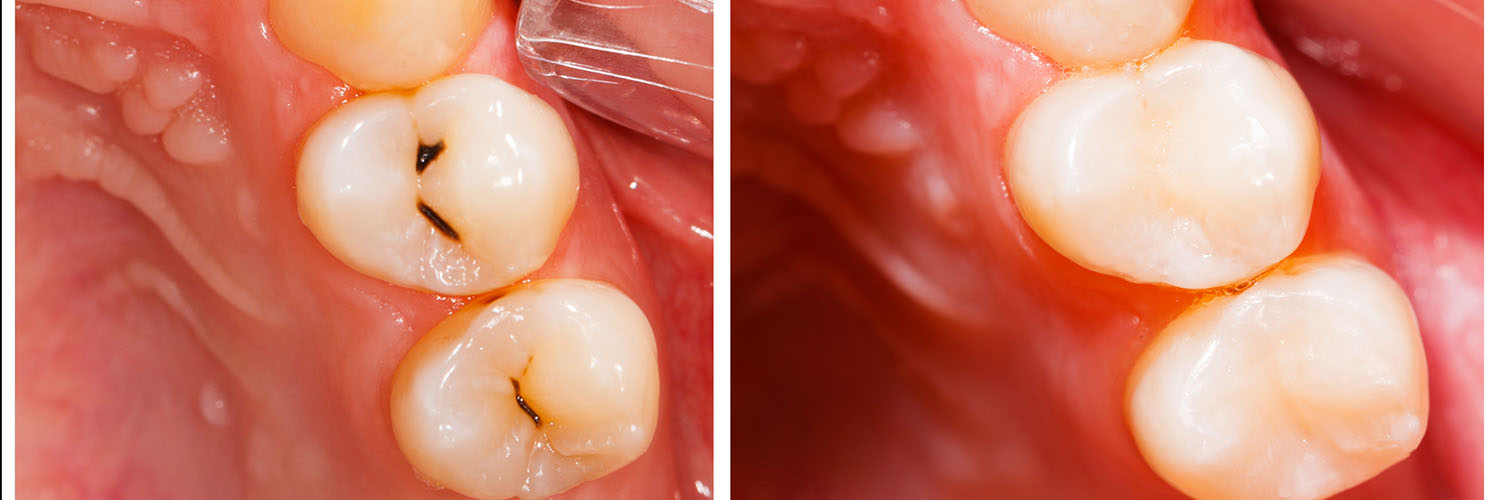
Before and after close-up of a molar with a dark cavity, then restored with a natural-looking tooth-colored filling

When a Filling May Not Be Enough — Planning for Durable Outcomes

Not every damaged tooth is best treated with a simple filling. Large cavities, extensive fractures, or prior restorations that have reached the end of their useful life may require alternatives such as inlays, onlays, crowns, or indirect restorations. These options provide greater coverage and strength when a tooth’s remaining structure cannot reliably support a direct composite restoration.

Decisions about restorative choices take into account tooth location, the amount of remaining structure, bite forces, and esthetic goals. For posterior teeth under heavy chewing loads, a more robust restoration may extend the functional lifespan of the tooth. Your clinician will review the pros and cons of each approach and recommend the least invasive option that still provides durable protection.

Planning for long-term oral health also includes preventative measures: regular exams, targeted fluoride when indicated, and digital cavity detection tools that help catch decay early. Thoughtful coordination between conservative care and stronger restorations when needed ensures practical, predictable results that support your overall oral health goals.

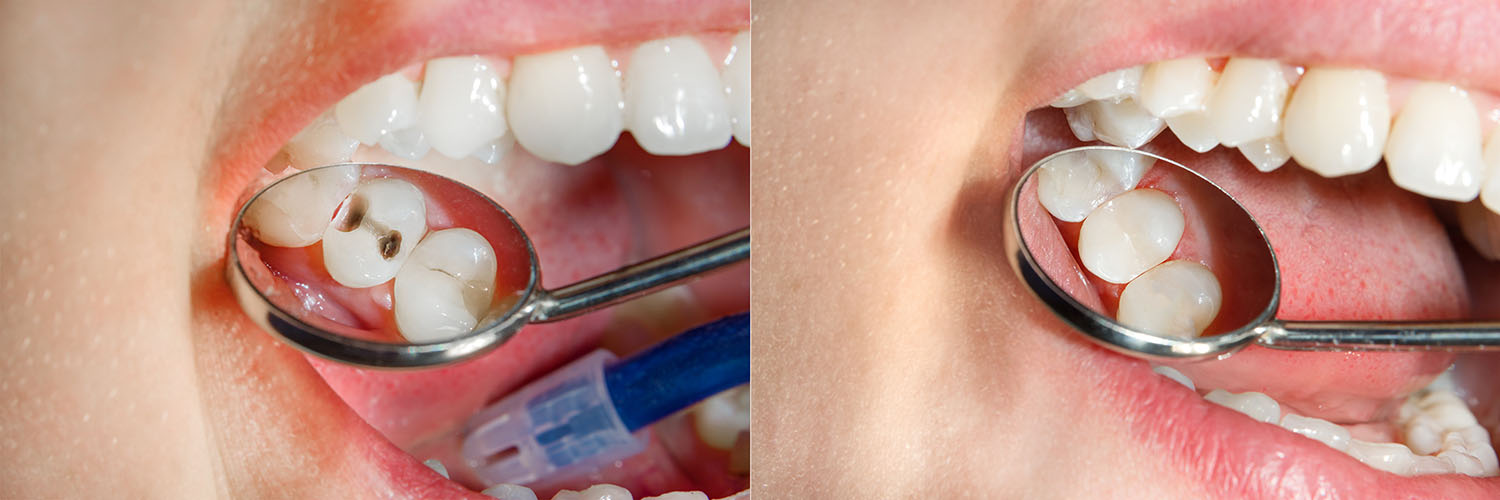
Before and after view in a dental mirror of a molar with a cavity, then restored with a tooth-colored filling

Our aim is to restore teeth in a way that looks natural, preserves function, and supports your long-term oral health. If you have questions about composite fillings, alternatives, or the steps involved in treatment at Macri Dental, please contact us to learn more.

Frequently Asked Questions

What are dental fillings and how do they work?

+

Dental fillings are restorations used to repair a tooth that has been damaged by decay or a small fracture. The damaged material is removed and a restorative material is placed to rebuild the tooth's shape, restore function, and protect against further breakdown. Modern composite fillings bond to the remaining tooth structure, which helps the restoration and natural tooth work together under normal chewing forces.

By restoring the tooth contour and sealing margins where bacteria can accumulate, fillings help limit the progression of decay and preserve tooth strength. Conservative placement preserves more healthy enamel and dentin compared with some alternatives, maintaining options for future care. Regular examination after placement ensures the filling continues to perform and allows early intervention if issues arise.

Why are tooth-colored composite fillings the modern standard?

+

Tooth-colored composite fillings combine aesthetic appeal with clinical performance, allowing restorations to be matched to the surrounding enamel for a seamless appearance. Composites bond to tooth structure, which contributes to a strong seal that helps reduce the risk of recurrent decay at the margins. The material is layered and cured in stages, permitting precise control of shape, contour, and occlusion so the restoration feels natural when you bite and chew.

Advances in resin chemistry and placement techniques have improved wear resistance and color stability compared with earlier generations of composites. Because less healthy tooth needs to be removed to accommodate a bonded restoration, composites are often the preferred conservative choice. Proper technique and routine maintenance at home are the biggest factors influencing long-term success.

What happens during a filling appointment at Macri Dental?

+

A filling visit typically begins with a clinical exam and any necessary X-rays to evaluate the extent of decay and determine the appropriate treatment. Local anesthesia is used to ensure comfort while the dentist removes decayed or weakened tooth structure and shapes the cavity for the restoration. The composite resin is applied in thin increments and each layer is cured with a light to create a durable bond to the tooth.

After the material is molded to restore proper contours and contacts with adjacent teeth, the dentist will check your bite and polish the surface for smoothness and comfort. The clinician will review home care notes and short-term expectations for sensitivity before you leave. If dental anxiety is a concern, options such as nitrous oxide or oral sedation can be discussed to make the visit more comfortable.

Will getting a filling be painful and what anesthesia options are available?

+

Most patients experience little to no pain during a filling procedure because the area is numbed with local anesthesia prior to treatment. The injection itself can cause brief pressure or mild discomfort, but modern anesthetic techniques and topical gels help minimize sensation. For patients with dental anxiety or procedures requiring extra time, sedation options such as nitrous oxide or oral medication may be offered to improve comfort and reduce stress.

After the procedure the tooth and surrounding tissues will remain numb for a short period, and mild sensitivity to temperature or chewing is common for a few days as the tooth settles. Over-the-counter analgesics and avoiding hard or sticky foods while numb usually manage these symptoms. If pain or unusual sensitivity persists beyond a week, the restoration should be evaluated to rule out bite issues or other concerns.

What should I expect after a composite filling and how can I care for it?

+

Immediately after a composite filling you may have temporary numbness from anesthesia and mild sensitivity for a few days as the tooth adjusts. It is wise to avoid chewing hard or sticky foods until the numbness wears off to prevent accidentally biting soft tissues and to let the restoration fully set in function. Your dentist will advise whether any temporary dietary restrictions apply and will check occlusion to ensure the filling does not interfere with your bite.

Long-term care focuses on daily oral hygiene and routine dental exams so the dentist can monitor the restoration for wear or marginal breakdown. Brushing twice daily with fluoride toothpaste and flossing daily help reduce the risk of recurrent decay around the filling. Behavioral factors such as avoiding chewing on hard objects and wearing a nightguard if you grind your teeth also support the longevity of restorations.

How can I extend the life of a filling?

+

The longevity of a filling is influenced by home care, diet, and habits that place stress on teeth. Good oral hygiene, including regular brushing with fluoride toothpaste and daily flossing, reduces bacterial attack at restoration margins and supports overall oral health. Avoiding hard or sticky foods and minimizing acidic or sugary snacks will limit factors that accelerate wear and recurrent decay.

Managing parafunctional habits and bite forces is also important; if you grind or clench your teeth, a custom nightguard can protect both natural teeth and restorations. Regular dental checkups allow early detection of marginal wear or microleakage so small repairs can be made before more extensive treatment is necessary. Your clinician will tailor preventive recommendations based on your risk factors to help maximize service life.

How long do fillings typically last and what are common signs they need replacement?

+

Composite fillings can last many years, with typical service life often ranging from five to fifteen years depending on factors such as size, location, oral hygiene, and bite forces. Materials and placement technique matter, but patient behaviors and ongoing maintenance are key determinants of longevity. Routine dental exams and X-rays help track the condition of restorations over time and identify early problems.

Signs that a filling may need repair or replacement include persistent sensitivity, a feeling that the bite is high, visible chipping or rough edges, discoloration at the margins, or recurrent decay around the restoration. If you notice any of these symptoms, schedule an evaluation so the dentist can determine whether a repair, replacement, or an alternative restoration is the most conservative and durable option.

When is a filling not enough and what alternatives are available?

+

Not every damaged tooth is suitable for a direct filling; very large cavities, extensive fractures, or teeth with little remaining structure may require more protective restorations. In such cases the dentist may recommend inlays, onlays, crowns, or indirect ceramic restorations that provide greater coverage and strength. These alternatives are chosen when the remaining tooth cannot reliably support a direct composite restoration under occlusal forces.

Decisions about restorative choice consider tooth location, the amount of remaining structure, bite dynamics, and esthetic goals to balance durability and conservation. The clinician will explain the pros and cons of each option and recommend the least invasive approach that still offers a predictable long-term outcome. Preventive measures and early detection are emphasized so more conservative treatments remain possible whenever feasible.

Can a chipped or damaged filling be repaired or does it need to be replaced?

+

Small chips or marginal defects in a composite filling can often be repaired directly by adding new composite to the affected area, provided the remaining restoration has good bonding and there is no recurrent decay. Repair is a conservative option that preserves tooth structure and can delay full replacement when appropriate. The dentist will evaluate the integrity of the existing bond, the presence of leakage, and the extent of damage before recommending repair.

When a restoration has widespread breakdown, recurrent decay, or a compromised margin, full replacement or an alternative restoration may provide a more predictable long-term result. The clinician will discuss the condition of the tooth, the reasons for failure, and the most appropriate restorative plan tailored to your needs. Prompt attention to a damaged filling often allows simpler treatment than waiting until larger problems develop.

How are cavities detected early and how does the practice decide on the right treatment?

+

Early detection combines a careful clinical exam with diagnostic tools such as digital radiography, intraoral cameras, and digital cavity detection technologies to find decay before it becomes extensive. These tools allow clinicians to visualize lesions between teeth, under existing restorations, and in areas that are difficult to assess by eye alone. A comprehensive assessment also considers patient history, risk factors for decay, and signs of functional stress on the dentition.

At the office of Macri Dental in Greenwood Village, the treatment decision is based on the size and location of the lesion, the amount of remaining tooth structure, occlusal considerations, and esthetic priorities. The dentist will recommend the most conservative, durable option that meets your long-term oral health goals and will explain alternatives so you can make an informed choice. Preventive strategies and regular monitoring are emphasized to keep restorative needs as minimal as possible.

Contact Us

Exceptional Dentistry, Centered Around You

Discover a dental experience built around your comfort, needs, and goals. Our team is here to answer your questions, help you explore your treatment options, and make scheduling your visit simple and convenient. Contact our office today and take the next step toward personalized, high-quality dental care for you and your family.

Office Hours

Monday
9:00 am - 5:00 pm
Tuesday
7:00 am - 4:00 pm
Wednesday
7:00 am - 3:00 pm
Thursday
7:00 am - 2:00 pm