Smiling woman with a blonde bob and tan cardigan showing healthy teeth after periodontal treatment

Pediatric Dentistry

Smiling young girl giving a high five to a dentist in a bright exam room during a pediatric dental visit

At Macri Dental, caring for your child’s smile is something we take seriously—and joyfully. Our pediatric program focuses on preventive care, clear communication with parents, and treatment that protects both oral health and a child’s confidence. From the first checkup to the transition into adulthood, our team works with families to build healthy habits and catch problems early, when care is simpler and outcomes are better.

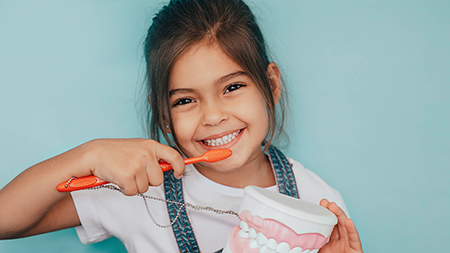
Smiling young girl holding an orange toothbrush and a large model of teeth, illustrating pediatric dentistry and brushing

Building Healthy Habits From the Start

Healthy smiles begin at home, but they thrive with professional guidance. We help parents learn practical, age-appropriate strategies for toothbrushing, flossing, and nutrition so children can develop routines that stick. Early education reduces the chance of decay and sets the tone for positive dental experiences as kids grow.

Our approach is rooted in prevention: routine exams, professional cleanings, and selective use of tools like fluoride treatments and sealants to protect vulnerable surfaces. We explain the purpose of each preventive step in plain language so families feel empowered to make the best choices for their children’s oral health.

We also prioritize a calm, welcoming environment. Our team is experienced at helping nervous patients feel understood and safe—using friendly explanations, child-sized equipment, and a pace that suits each child. The goal is to make dental care a normal, non-threatening part of childhood.

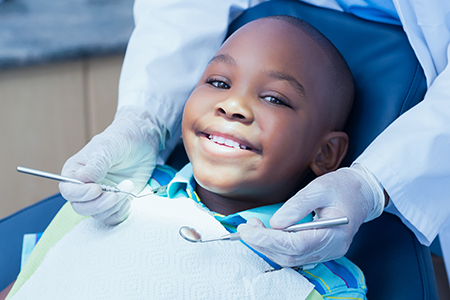
Smiling young boy in a dental chair during a pediatric dentistry checkup while a dentist holds a mirror and probe

Routine Visits: What Families Can Expect

Regular checkups do more than keep teeth clean. During a visit we review growth and development, screen for early signs of decay or bite problems, and provide age-appropriate oral hygiene instruction. These exams allow us to detect issues that are invisible to the untrained eye and address them before they become more complex.

Digital radiographs are used judiciously when needed to evaluate developing teeth and jaw structures. When X-rays are taken, we use modern equipment and low-dose protocols to gather the information required for accurate diagnosis while minimizing exposure.

Professional cleanings remove plaque buildup in hard-to-reach areas and reinforce daily habits. We tailor recommendations to each patient—offering tips for brushing technique, flossing schedules, and dietary changes that reduce cavity risk without overcomplicating family life.

Understanding Early Childhood Decay

Tooth decay remains one of the most common childhood health problems, but much of it is preventable. Decay develops when bacteria and sugars are left unchecked, so the best defenses are consistent oral hygiene, sensible snacking, and timely dental care. Small, routine actions make a big difference over time.

We work with parents to identify high-risk patterns—like frequent access to sugary drinks, prolonged bottle or sippy-cup use, and inadequate brushing—and offer practical alternatives. Simple swaps, such as water between meals and limiting sticky treats, help protect tiny teeth and support overall health.

When cavities do occur, our team focuses on compassionate, evidence-based treatment that preserves tooth structure and prevents pain or infection. Early intervention keeps restorative work minimal and helps maintain space and function for future permanent teeth.

Practical Steps Families Can Take

  • Start oral care early: wipe gums after feedings and introduce a soft brush when teeth appear.

  • Limit sugary drinks and avoid putting a child to sleep with a bottle of milk or juice.

  • Bring children in for routine visits so we can monitor growth, counsel on hygiene, and apply protective treatments when appropriate.

  • Model good habits: kids mirror what they see, so brush together and make oral care a positive family activity.

  • Watch for habits like prolonged pacifier use or thumb sucking and seek guidance on the best time to discourage them.

  • Encourage healthy snacks and water as a primary beverage to reduce cavity risk and support overall nutrition.

  • Protect active smiles: choose a properly fitted mouthguard for contact sports and supervise safe play.

Smiling woman lifting a laughing baby in a striped outfit, illustrating gentle pediatric dentistry care for young children

Baby Teeth and Milestones: What Parents Should Know

Baby teeth are not temporary placeholders—they support chewing, speech development, and the proper alignment of permanent teeth. Milestones such as the first tooth and the eruption of molars follow a general timeline, but there’s individual variation. We advise on what to expect and when to seek a checkup for concerns.

Parents are encouraged to bring infants for an early visit around the first birthday or when the first tooth appears. Early visits establish a dental home, allow for individual guidance, and help children become comfortable in the dental setting long before more complex treatments might be needed.

Teething can cause temporary fussiness, and there are safe ways to comfort an infant—cool teething rings, gentle gum massage, and attention to soothing routines. If you’re ever unsure about symptoms or the pace of development, a quick call or appointment can provide reassurance and direction.

Protecting Active Smiles: Sports, Accidents, and Urgent Care

Active kids are at risk for dental injuries, from chipped teeth to more serious trauma. A well-fitted mouthguard is a reliable way to reduce the chance of damage during athletic activities. We can advise on the best type of protection for your child’s sport and fit a custom guard when indicated.

When injuries happen, prompt attention preserves outcomes. For knocked-out, displaced, or fractured teeth, quick, expert care improves the chances of saving the tooth and limiting long-term issues. Our team provides straightforward guidance on emergency steps and delivers compassionate treatment when children need urgent help.

Beyond trauma, urgent dental needs include severe pain, swelling, or signs of infection. We prioritize timely evaluation to relieve discomfort and prevent complications, coordinating with parents to choose the most appropriate course of care for the child’s age and situation.

Growing Smiles: Care for School-Age Kids and Teens

As children enter elementary school and beyond, their dental needs evolve. Permanent teeth arrive, chewing demands increase, and habits like sports participation and braces may come into play. Regular dental visits during these years help manage cavities, guide eruption patterns, and monitor jaw growth.

Orthodontic issues are often easiest to address when caught early. We observe patterns of crowding, bite discrepancies, and growth that may benefit from orthodontic consultation. When braces or aligners are recommended, our team helps families understand timing, oral hygiene during treatment, and steps to support a successful outcome.

Teenagers face unique challenges—dietary choices, oral piercings, and busy schedules can affect oral health. We provide realistic, respectful guidance to help teens take ownership of their care and maintain strong teeth and gums through adolescence.

Watching Development: Growth, Alignment, and Nutrition

Dental health is closely tied to overall development. During routine exams we track facial growth, jaw alignment, and the sequence of tooth eruption. When intervention is needed—whether a space maintainer after premature tooth loss, targeted hygiene instruction, or referral to an orthodontist—we explain options clearly so families can make informed decisions.

Good nutrition supports both general health and resilient teeth. Diets rich in whole foods, calcium, and adequate fluids promote strong enamel and healthy gums. We counsel families on practical eating patterns that fit busy lifestyles while minimizing prolonged exposure to sugary or acidic foods and beverages.

Our team strives to be a long-term partner in your child’s dental journey. Through regular monitoring, stage-appropriate care, and clear communication, we aim to help each patient move from baby teeth to a confident, healthy adult smile.

In summary, pediatric dentistry is about prevention, education, and timely treatment delivered in a supportive setting. If you’d like to learn more about how we care for young patients or to discuss your child’s specific needs, please contact us for more information.

Frequently Asked Questions

When should my child visit the dentist for the first time?

+

Most dentists recommend a child's first dental visit by the first birthday or when the first tooth appears. This early appointment establishes a dental home and allows the clinician to assess growth, eruption patterns, and risk factors. Early visits also introduce families to basic preventive steps and reduce dental fear later on.

Expect a gentle exam of the mouth, teeth, and oral tissues along with age-appropriate guidance on feeding, hygiene, and teething care. The visit is brief and focused on education—parents leave with clear, practical steps to support their child's oral health. At Macri Dental we use these early appointments to build trust and make future care easier for both child and family.

What does a routine pediatric dental visit include?

+

A routine pediatric visit typically includes a visual exam, professional cleaning when appropriate, and a review of growth and development. The dentist evaluates for early signs of decay, bite concerns, and oral habits that may influence future alignment. When needed, the team provides tailored instruction on brushing, flossing, and dietary adjustments.

Preventive measures such as fluoride varnish or dental sealants may be recommended based on age and risk to protect vulnerable surfaces. Digital radiographs are taken selectively and only when they will change diagnosis or treatment planning. Every element of the visit is explained in plain language so parents understand the purpose and next steps.

Are dental X-rays safe for children?

+

Modern dental X-rays use digital sensors that require much lower radiation than older film techniques, and protocols for children emphasize safety and necessity. Clinicians take radiographs only when there is a clear diagnostic benefit, such as to evaluate developing teeth, check for decay between teeth, or assess trauma. Lead aprons and thyroid collars are used when appropriate to further reduce exposure.

Parents should feel comfortable asking why an X-ray is recommended and how often their child will receive them. The dental team balances the need to monitor growth and detect hidden problems with minimizing radiation exposure. In many cases, visual exams and preventive care reduce the frequency of radiographs for low-risk children.

How do fluoride treatments and dental sealants protect my child's teeth?

+

Fluoride varnish is a topical treatment applied quickly during office visits to strengthen enamel and reduce the risk of cavities. It complements daily fluoride toothpaste and works best when combined with consistent oral hygiene and diet control. Varnishes are safe and effective for infants, toddlers, and older children when used according to professional guidelines.

Dental sealants are thin protective coatings applied to the chewing surfaces of molars where grooves trap food and bacteria. Sealants can significantly lower cavity risk on these vulnerable areas and are often placed soon after permanent molars erupt. Your dentist will recommend sealants based on your child’s cavity risk and the anatomy of their teeth.

How can I prevent early childhood tooth decay?

+

Early childhood caries develops when sugars and bacteria are repeatedly left on a child's teeth, especially during sleep or frequent sipping. Preventive strategies include avoiding putting a child to bed with a bottle of milk or juice, offering water between meals, and limiting sticky or sugary snacks. Regular brushing with a smear or pea-sized amount of fluoride toothpaste from eruption of the first tooth helps remove plaque and reduce bacterial load.

Parents should also schedule routine dental visits so clinicians can identify risk patterns and apply protective treatments as needed. Simple behavior changes and consistent hygiene have a large impact on cavity prevention over time. Education and early intervention keep restorative needs minimal and preserve space for healthy permanent teeth.

How do you help children who are anxious or fearful of the dentist?

+

Dental anxiety is common in children and can usually be managed with behavior guidance techniques tailored to the child's age and temperament. Methods such as tell-show-do, positive reinforcement, distraction, and allowing a parent to stay close often make visits more comfortable and build cooperation. The clinical team uses child-sized instruments and a slow, reassuring pace to create a calm experience.

For children with higher levels of fear or special needs, additional options such as scheduling longer visits, pre-visit orientation, or medication-based approaches can be discussed with the dentist. The goal is always to choose the safest, least invasive method that will allow necessary care. Open communication between parents and the dental team helps create an individualized plan that maintains both oral health and emotional wellbeing.

What should I do if my child has a dental injury or a knocked-out tooth?

+

If your child sustains a dental injury, quick action makes a meaningful difference in outcome for knocked-out, displaced, or fractured teeth. Preserve any knocked-out permanent tooth by handling it by the crown, rinsing gently if dirty, and placing it back in the socket or storing it in milk or saline while seeking immediate care. Primary (baby) teeth are handled differently, so contact the dentist promptly for specific instructions.

The office of Macri Dental can provide guidance on emergency steps over the phone and schedule an urgent appointment when necessary. Time is a critical factor for saving displaced permanent teeth, so prompt evaluation improves the chances of successful treatment. Even for less severe injuries, an exam can detect hidden damage and prevent complications like infection or misalignment.

When should I be concerned about my child's orthodontic development?

+

Early evaluation for orthodontic concerns is recommended when the dentist notices crowding, crossbites, excessive spacing, or asymmetric jaw growth during routine visits. Many orthodontic issues are easier to guide if identified in the mixed dentition stage, when both baby and permanent teeth are present. A timely referral allows families to explore interceptive treatments that may simplify or shorten later orthodontic care.

The dentist monitors eruption patterns and jaw growth over multiple visits to decide the optimal timing for any intervention. Not every child needs early orthodontic treatment, but surveillance helps catch evolving problems before they become more complex. Clear explanations of options and timing help families make informed decisions about next steps.

How can parents support their child's oral hygiene at home?

+

Parents can support healthy habits by supervising brushing twice daily with an age-appropriate toothbrush and fluoride toothpaste, and beginning flossing once teeth touch. Modeling good oral care and making toothbrushing a predictable part of the daily routine helps children adopt lifelong habits. Positive reinforcement and simple, consistent guidance are more effective than punishment or pressure.

Limiting sugary snacks and offering water between meals reduces the frequency of acid attacks on enamel and supports overall health. Regular dental visits provide tailored instruction and corrections to technique as children grow and their needs change. Combining home care with professional prevention helps reduce cavities and maintain healthy gums.

When should my child stop using a pacifier or thumb-sucking habit?

+

Prolonged pacifier use or thumb-sucking can affect the alignment of the teeth and the development of the bite if habit persists beyond the preschool years. Dental professionals typically recommend beginning efforts to wean children from these habits by age 3 to 4 to reduce the risk of orthodontic problems. Gentle, age-appropriate strategies and consistent expectations are usually effective.

Families can use positive reinforcement, distraction, and gradual limits to help a child stop the habit; in some cases, the dentist will suggest specific interventions or appliances for persistent problems. Open dialogue with the dental team ensures that any habit-related changes in tooth position are monitored. Timely guidance prevents the need for more invasive orthodontic measures later on.

Contact Us

Exceptional Dentistry, Centered Around You

Discover a dental experience built around your comfort, needs, and goals. Our team is here to answer your questions, help you explore your treatment options, and make scheduling your visit simple and convenient. Contact our office today and take the next step toward personalized, high-quality dental care for you and your family.

Office Hours

Monday
9:00 am - 5:00 pm
Tuesday
7:00 am - 4:00 pm
Wednesday
7:00 am - 3:00 pm
Thursday
7:00 am - 2:00 pm