Smiling woman with a blonde bob and tan cardigan showing healthy teeth after periodontal treatment

Restorative Dentistry

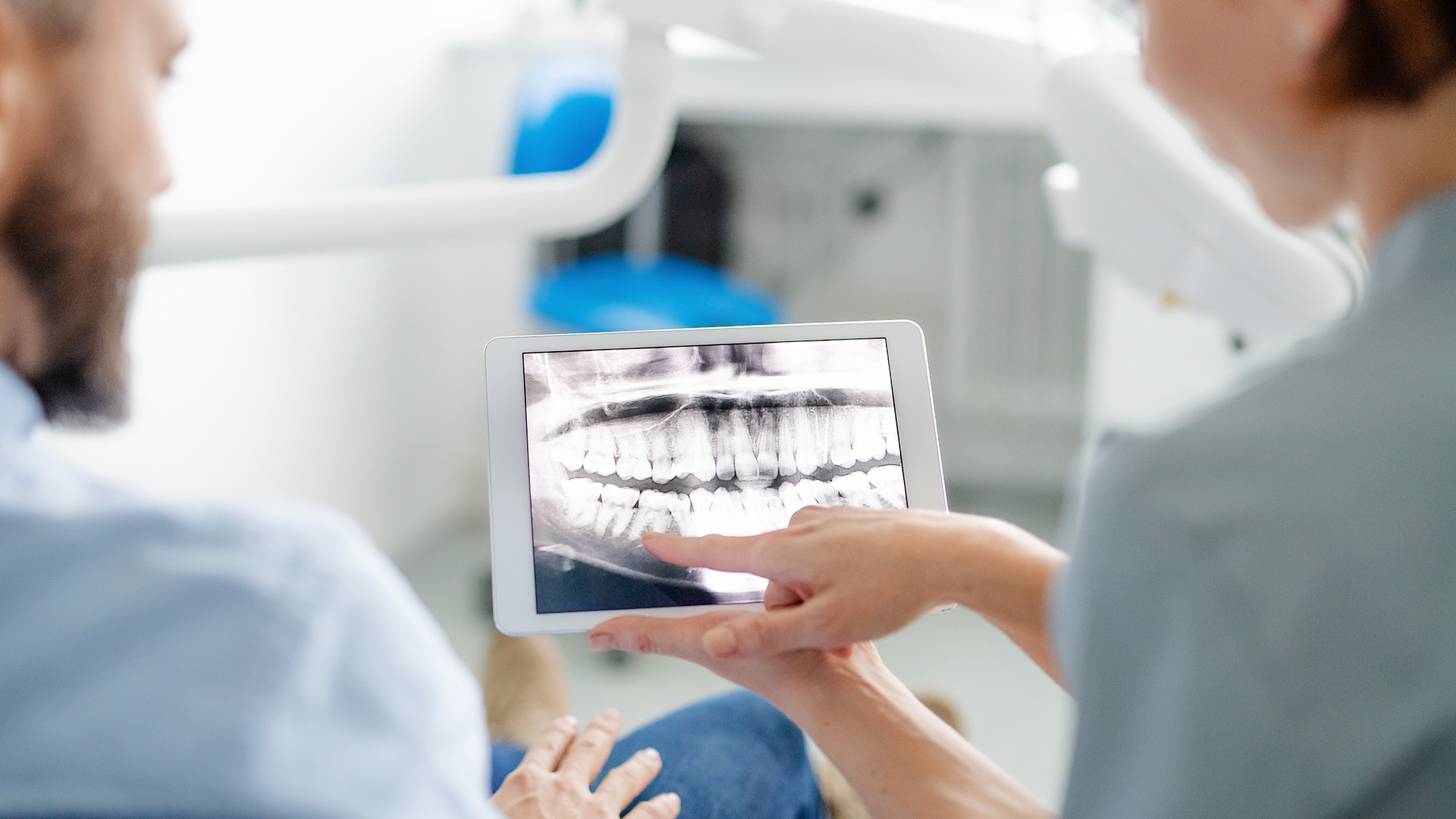
Dentist pointing to a digital dental X-ray on a tablet while reviewing restorative treatment with a bearded patient

When a tooth is damaged, decayed, or missing, it affects more than just how your smile looks — it can change how you eat, speak, and feel day to day. Restorative dentistry is focused on repairing that damage and rebuilding the strength and function of your teeth, so your mouth works the way it's supposed to.

Whether you need a single filling, a crown to protect a weakened tooth, or a full plan to replace several missing teeth, restorative care starts with an honest look at what's happening in your mouth and a clear plan for fixing it.

Rebuilding strength, function, and comfort

Restorative dentistry covers a wide range of treatments, all built around the same goal: bringing damaged or missing teeth back to full function. That means treating decay before it spreads, reinforcing teeth that have been weakened by large fillings or fractures, and replacing teeth that can no longer be saved.

At Macri Dental, restorative treatment plans are built around your specific situation. A tooth with a small cavity needs a very different approach than a mouth with several missing teeth, and getting that assessment right up front is what makes the treatment predictable and long-lasting.

Good restorative work also protects the rest of your mouth. A tooth that's left broken or missing can shift neighboring teeth, change your bite, and put extra strain on the teeth around it — so addressing problems early tends to mean simpler, less invasive treatment overall.

Matching the right treatment to the problem

Not every restorative problem calls for the same fix. Smaller areas of decay or wear are often treated conservatively with fillings or inlays and onlays, which repair the tooth while preserving as much natural structure as possible. Teeth with more extensive damage — a large filling that's failed, a cracked cusp, or a root canal — usually need a crown to protect what's left of the tooth and restore its strength.

When a tooth can't be saved, or has already been lost, replacement options range from a fixed bridge anchored to neighboring teeth, to a removable denture, to an implant-supported restoration that replaces both the root and the crown. Each of these has real trade-offs in cost, timeline, and long-term durability, and part of restorative planning is walking through those options honestly.

For patients missing most or all of their teeth, more comprehensive solutions like full mouth reconstruction or implant-supported full arches can restore a complete, functional bite rather than patching problems one tooth at a time.

Restorative services we offer

  • Dental Fillings

    Tooth-colored fillings repair cavities and minor damage, removing decay and sealing the tooth to prevent it from spreading further.

  • Inlays & Onlays

    A conservative middle step between a filling and a crown, used when a tooth has more damage than a filling can handle but isn't ready for full coverage.

  • Dental Bridges

    A fixed option for replacing one or more missing teeth, anchored to the natural teeth on either side of the gap.

  • Dentures

    Removable full or partial replacement teeth for patients who have lost several or all of their natural teeth.

  • Implant Dentistry

    Implants replace both the root and the crown of a missing tooth, offering a stable, long-term foundation that functions like a natural tooth.

  • All-on-4®

    A full-arch implant solution that replaces an entire row of missing teeth using as few as four strategically placed implants.

  • Full Mouth Reconstruction

    A comprehensive treatment plan that rebuilds a bite affected by extensive decay, wear, or tooth loss across the mouth.

  • Oral Surgery

    Surgical procedures, including extractions and bone grafting, that address problems standard restorative care can't resolve on its own.

Planning restorative care that lasts

A restorative plan starts with a thorough exam — often supported by digital X-rays or 3D imaging — to see exactly what's happening below the surface before recommending treatment. That diagnostic step matters: it's the difference between treating the actual problem and just patching a symptom.

Macri Dental focuses on durable materials and techniques so restorative work holds up over time, not just immediately after treatment. Regular checkups after restorative care also help catch small issues — like a worn filling or a loosening crown — before they turn into bigger problems.

If a tooth is bothering you, or you're missing one or more teeth and aren't sure what your options are, our team can walk you through what restorative treatment could look like for your specific situation. Contact us to schedule an exam and talk through the options that make sense for you.

Frequently Asked Questions

What is restorative dentistry, and how can it help my teeth?

+

Restorative dentistry focuses on repairing damage and restoring the strength, function, and appearance of teeth. It includes treatments that treat decay, replace missing teeth, and reinforce weakened tooth structure. The overall goal is to return your mouth to comfortable, predictable function so you can eat and speak normally.

A restorative approach begins with diagnosis and ends with a durable solution tailored to your needs. That process often blends preventive care, conservative restorations, and more extensive procedures when necessary. Your dentist balances preserving natural tooth structure with restoring long-term function and comfort.

What common treatments are included in restorative dentistry?

+

Common restorative treatments include tooth-colored fillings, inlays and onlays, crowns, bridges, and dentures. Implant dentistry and implant-supported restorations are also core services that replace both the tooth root and the crown. More comprehensive care such as All-on-4 and full mouth reconstruction is available for patients with extensive tooth loss.

Each treatment serves a different purpose, from sealing a small cavity to rebuilding an entire bite. Choosing among them depends on the extent of damage, the health of surrounding teeth, and the functional needs of the patient. A thorough exam helps determine which combination of services will be most effective and predictable.

How does my dentist determine the right restorative treatment for my situation?

+

Selecting the right restorative option starts with a comprehensive clinical exam and diagnostic imaging. Digital X-rays, intraoral photos, and 3D imaging reveal decay, fractures, and bone levels that may not be visible on the surface. The dentist also evaluates bite relationships, chewing forces, and the condition of neighboring teeth to form a complete picture.

Treatment planning is individualized to address immediate problems while protecting long-term oral health. The plan typically outlines the recommended procedures, their purpose, and alternative approaches when appropriate. This transparent process helps patients understand expected outcomes and ask informed questions before treatment begins.

What are the differences between fillings, inlays/onlays, and crowns?

+

Fillings repair small areas of decay or wear by removing damaged tissue and restoring tooth shape with tooth-colored materials. Inlays and onlays are laboratory-made restorations that fit into or onto the chewing surface when a filling would be insufficient. A crown covers the entire visible portion of a tooth and is used when the remaining structure needs full protection.

The choice among these options depends on how much healthy tooth remains and the level of force the tooth must withstand. Conservative restorations preserve more natural tooth structure, while crowns provide maximum strength for heavily restored or fractured teeth. Your dentist will recommend the least invasive solution that reliably restores function and reduces the risk of future problems.

When is a dental implant a better option than a bridge or denture?

+

Dental implants replace the missing tooth root with a titanium or ceramic post that integrates with the jawbone. Because implants recreate the root, they help preserve bone and provide a stable foundation for crowns, bridges, or dentures. Bridges and dentures can be appropriate when implants are not feasible, but they have different impacts on adjacent teeth and bone.

An implant may be the better option when you want a long-term solution that mimics natural tooth function and supports surrounding bone. Candidate suitability depends on bone volume, general health, and commitment to oral hygiene and follow-up care. Your dentist can evaluate whether augmentation procedures like bone grafting are needed to make implant therapy possible.

What is All-on-4, and who is a candidate for that treatment?

+

All-on-4 is a protocol that restores an entire arch of teeth using as few as four strategically placed implants. This approach can often support a fixed, full-arch restoration that feels and functions more like natural teeth than removable dentures. It is designed to maximize stability even in patients with reduced bone volume by angling posterior implants to engage stronger bone.

Candidates for All-on-4 include patients who have lost most or all teeth in an arch and seek a fixed, long-term solution. A thorough evaluation including 3D imaging determines if bone anatomy, oral health, and systemic factors support this treatment. When appropriate, All-on-4 can streamline care by combining implant placement and prosthetic planning for a coordinated restorative outcome.

How long do restorative dental treatments typically last, and how can I make them last longer?

+

The lifespan of a restoration depends on the material used, the quality of the procedure, and the patient’s oral habits. Well-made crowns, bridges, and implant restorations can last many years when maintained with good hygiene and routine dental care. Factors such as bruxism, neglected decay, or poor oral hygiene can shorten the useful life of any restoration.

To extend the service life of restorations, follow a consistent oral hygiene routine and attend regular checkups for professional cleaning and inspection. Using a night guard for teeth grinding, avoiding hard or sticky foods when advised, and addressing minor issues early also help preserve restorations. Routine monitoring allows the dentist to repair worn margins or replace failing components before they lead to larger problems.

What should I expect during recovery after a crown, implant placement, or other restorative procedure?

+

Recovery varies by procedure but commonly includes some soreness, swelling, and sensitivity for a few days after treatment. Following postoperative instructions for pain control, oral rinses, and a soft diet helps minimize discomfort and supports healing. Most patients return to normal activity quickly, but larger surgical procedures like implant placement may require staged follow-up and gradual dietary progression.

Keeping follow-up appointments is important so the dentist can check healing, remove sutures if needed, and adjust temporary restorations. Report increasing pain, persistent swelling, fever, or any unexpected symptoms promptly so they can be evaluated and treated. Clear communication with your dental team ensures recovery stays on track and leads to the best restorative outcome.

How does technology such as 3D imaging and digital impressions improve restorative care?

+

Digital tools such as 3D imaging, CBCT scans, and digital impressions improve the accuracy of diagnosis and treatment planning. These technologies allow the dentist to visualize bone anatomy, tooth position, and nerve pathways before any incision or restoration is placed. The result is more predictable implant placement, better-fitting restorations, and a reduction in surprises during treatment.

Digital workflows also support laboratory communication, enabling precise milled or printed restorations and shorter production times. In-office scanning reduces the need for messy impression materials and often improves patient comfort during the restorative process. When used alongside clinical expertise, technology helps produce outcomes that are both functional and esthetically pleasing.

How do I schedule a restorative exam at Macri Dental, and what should I bring to my appointment?

+

To schedule a restorative exam at Macri Dental, call the office at (303) 225-8306 to speak with the team and request an appointment. During your visit, plan to bring a list of medications, your dental history, and any recent imaging if you have it available. The initial exam typically includes a clinical evaluation, digital X-rays or 3D imaging when indicated, and a discussion of treatment goals.

Appointments are held at 5420 S Quebec St, Ste 203, Greenwood Village, CO, and the team will explain next steps and any necessary follow-up. If you have specific concerns such as pain, difficulty chewing, or loose restorations, mention them when you call so the staff can prioritize your needs. Clear communication before and during the visit helps ensure the restorative plan addresses the problems that matter most to you.

Contact Us

Exceptional Dentistry, Centered Around You

Discover a dental experience built around your comfort, needs, and goals. Our team is here to answer your questions, help you explore your treatment options, and make scheduling your visit simple and convenient. Contact our office today and take the next step toward personalized, high-quality dental care for you and your family.

Office Hours

Monday
9:00 am - 5:00 pm
Tuesday
7:00 am - 4:00 pm
Wednesday
7:00 am - 3:00 pm
Thursday
7:00 am - 2:00 pm