Smiling woman with a blonde bob and tan cardigan showing healthy teeth after periodontal treatment

Snoring Appliances

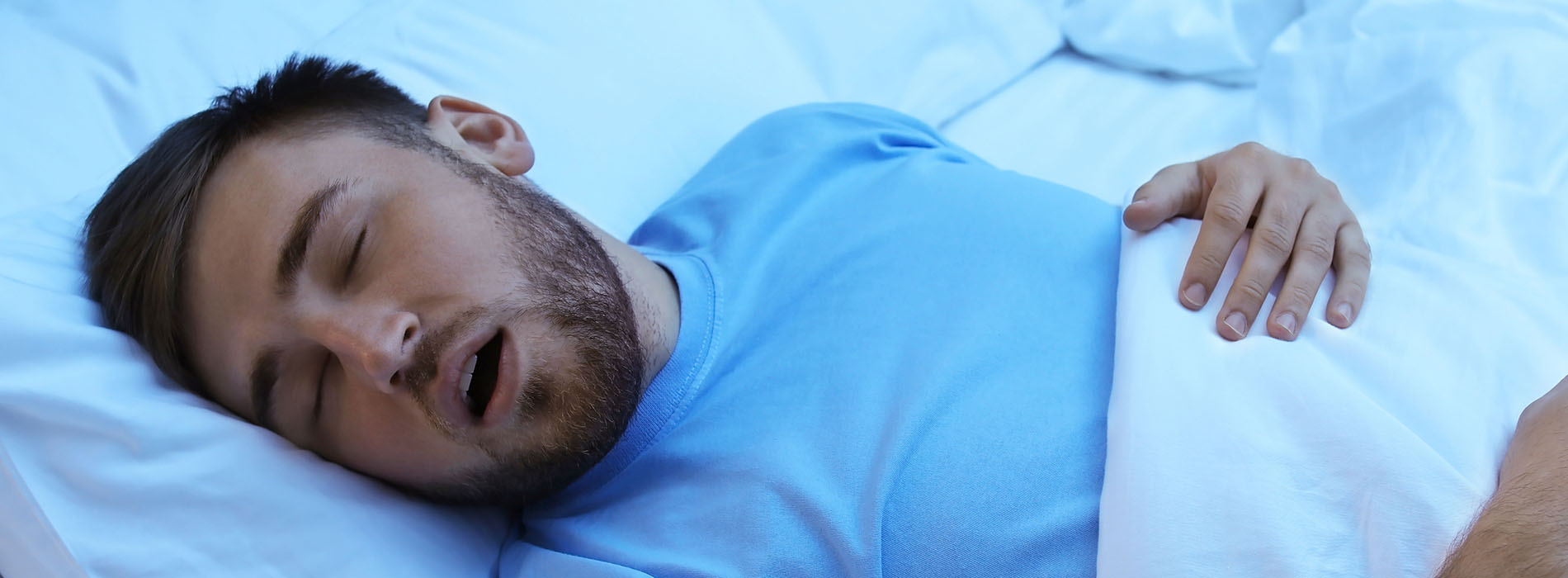
Man in a blue shirt sleeping on his back with his mouth open, illustrating snoring and sleep apnea

Snoring is the sound produced when airflow is partially blocked as you breathe during sleep and soft tissues in the throat vibrate. Nearly everyone snores on occasion, but for some people it becomes a nightly disturbance that affects sleep quality for themselves and their bed partners. While loud snoring can sometimes signal a more serious condition, many people experience isolated snoring without additional medical concerns.

Understanding the causes and available treatments can make a big difference in daily function, daytime alertness, and household harmony. Oral appliances are a conservative, widely used option that can reduce or eliminate snoring for many patients. These devices offer a non-surgical, removable approach that is often well tolerated and simple to incorporate into a bedtime routine.

The factors that contribute to snoring are varied and often multifactorial. Addressing the most relevant causes in each patient helps guide whether an oral appliance is likely to be effective or if further medical evaluation is needed.

  • Obstructed or congested nasal passages
  • Relaxed throat and tongue muscles during sleep
  • Excess soft tissue at the back of the throat, an elongated soft palate, or a large uvula
  • Alcohol or sedative use before bedtime
  • Chronic sleep deprivation or irregular sleep patterns
  • Sleeping on the back, which can allow the tongue and soft tissues to collapse toward the airway

Why snoring happens: anatomy, sleep stage, and common triggers

Snoring is a mechanical phenomenon: when the muscles of the upper airway relax, soft tissues vibrate as air moves past them. The degree of vibration—and therefore the volume of the sound—depends on how much tissue is present, how floppy the tissues are, and how narrow the airway becomes. Small changes in head position, body weight, or sleep phase can make a noticeable difference in whether snoring occurs and how loud it is.

Sleep stage plays a role as well. During deep sleep and REM (rapid eye movement) sleep, muscle tone decreases, which can allow the tongue and soft palate to move backwards more easily. External influences such as alcohol or certain medications that enhance muscle relaxation can magnify this effect and increase the likelihood of snoring on any given night.

It’s important to recognize when snoring may be part of a larger problem. If snoring is accompanied by choking or gasping episodes, prolonged pauses in breathing, extreme daytime sleepiness, or high blood pressure, further medical assessment is recommended. For many people who snore without these warning signs, targeted behavioral strategies and oral appliances provide meaningful relief.

How oral appliances reduce snoring and how they differ from other treatments

Oral appliances for snoring are custom-fitted devices worn in the mouth during sleep. They are designed to reposition the lower jaw slightly forward or to stabilize the tongue and soft tissues so the airway remains more open. Compared with bulkier mouthpieces or off-the-shelf solutions, custom appliances are tailored to fit the unique contours of a patient’s mouth, offering better comfort and effectiveness.

Unlike continuous positive airway pressure (CPAP) machines, which rely on a constant flow of pressurized air, oral appliances are quiet, portable, and require no electrical components. For patients whose snoring is not associated with moderate-to-severe obstructive sleep apnea, an oral appliance can be an attractive first-line option because it is minimally invasive and simple to use.

However, oral appliances are not a universal solution. Their success depends on the underlying anatomy and the cause of the snoring. A comprehensive evaluation helps determine whether an oral appliance is the appropriate treatment or whether referral for further sleep testing and medical management is warranted.

Which patients are most likely to benefit from a snoring appliance?

Ideal candidates are patients whose snoring results primarily from posterior displacement of the tongue or a narrow oropharyngeal airway, and who do not have significant obstructive sleep apnea. People who prefer a discrete, low-maintenance option and who are willing to wear a device nightly often find oral appliances easier to tolerate than CPAP.

Patients with mild sleep-disordered breathing, positional snoring (worse when lying on the back), and those who cannot tolerate or decline CPAP may achieve substantial improvement with a custom appliance. Conversely, individuals with very heavy neck circumference, large tonsils, or anatomical obstructions may be better served by other interventions; a careful assessment identifies these cases early.

Because each mouth and airway are unique, a dental evaluation that includes an oral exam and medical history is essential. This assessment clarifies expectations and helps determine the likelihood of success before the appliance is fabricated.

The treatment pathway: evaluation, custom fabrication, and follow-up

Effective treatment begins with a thorough evaluation. During your visit, we’ll review your sleep history, ask about symptoms that suggest sleep apnea, and perform a focused oral and airway exam. If signs of obstructive sleep apnea are present or suspected, a referral for sleep testing may be recommended before proceeding with an appliance.

When an appliance is appropriate, dental impressions or digital scans are taken to create a model of your teeth and bite. This allows a dental laboratory to fabricate a device that fits precisely and advances the lower jaw or supports the tongue in a controlled, comfortable position. The custom fit reduces sore spots and improves compliance compared with generic boil-and-bite products.

Follow-up care is an important part of success. Initial adjustments ensure a comfortable fit and effective airway positioning. Periodic reviews check for changes in bite, appliance wear, and symptom improvement. Most patients notice a reduction in snoring within a few nights, but long-term follow-up helps maintain effectiveness and address any side effects, such as jaw or tooth discomfort.

Practical considerations for nightly use and long-term maintenance

Getting used to an oral appliance can take a short adjustment period. Start by wearing the device for short stretches before bed and increase to full nights as comfort improves. Consistent nightly use provides the best chance for lasting benefit, and many patients report improved sleep for both themselves and their partners within a week or two.

Caring for the appliance is straightforward: rinse it after each use, clean it gently with a nonabrasive cleanser, and store it in a ventilated case. Regular dental checkups include inspection of the device and monitoring for changes in tooth position or jaw alignment. Many appliances are durable but will require replacement or relining over time due to normal wear.

At the Greenwood Village office of Macri Dental, we prioritize a conservative, evidence-based approach to snoring management. Our goal is to restore quiet, restorative sleep while preserving comfort and oral health. If a custom oral appliance is recommended, we’ll guide you through each step and provide the ongoing care needed to keep the device working well.

In summary, snoring appliances are a well-established, noninvasive option for many people whose snoring stems from relaxed or collapsing upper airway structures. They work best when matched to the individual’s anatomy and sleep profile, and they require professional fitting and follow-up for optimal results. Contact us for more information about whether an oral appliance might help you or a loved one achieve quieter, more restful nights.

Frequently Asked Questions

What is a snoring appliance and how does it work?

+

A snoring appliance is a custom-made oral device worn during sleep to reduce snoring by changing jaw or tongue position. Most appliances advance the lower jaw slightly or stabilize the tongue so the upper airway stays more open and soft tissues vibrate less. They offer a noninvasive, portable option for patients who want an alternative to external equipment.

Effectiveness depends on the individual anatomy and the primary cause of snoring, so appliances tend to work best when snoring results from posterior tongue displacement or a narrow oropharyngeal passage. A dental assessment helps determine whether an appliance is likely to help and whether further sleep evaluation is needed. When fitted properly, a custom device balances comfort with airway improvement to encourage nightly use.

Who is a good candidate for a snoring appliance?

+

Good candidates are typically adults whose snoring arises from soft tissue vibration rather than moderate-to-severe obstructive sleep apnea. People who prefer a quiet, easy-to-use device and cannot tolerate or decline CPAP often consider an oral appliance. Factors such as very large tonsils, a very large neck circumference, or other significant anatomic obstruction may reduce the expected benefit.

A thorough medical and dental history, focused oral exam, and screening for sleep apnea are important to clarify candidacy. Patients with witnessed apneas, choking episodes, or disabling daytime sleepiness should be referred for formal sleep testing before an appliance is recommended. Shared decision-making helps set realistic expectations and identify the best treatment pathway.

How is a snoring appliance custom fitted and fabricated?

+

Fitting begins with a focused oral and airway exam and a review of sleep symptoms to ensure the appliance is appropriate. Digital scans or traditional impressions capture the bite and dental anatomy so a laboratory can fabricate a device that fits precisely and advances the jaw or supports the tongue in a controlled way. The custom fit reduces sore spots and improves comfort compared with generic boil-and-bite products.

After delivery, the appliance is adjusted in the office to optimize comfort and airway positioning, and patients are instructed on nightly use and care. Additional fine-tuning over the following weeks often improves comfort and effectiveness. At Macri Dental our team coordinates fabrication and follow-up to help patients transition smoothly to regular use.

How does a snoring appliance compare with CPAP and other treatments?

+

CPAP is the preferred therapy for moderate-to-severe obstructive sleep apnea because it actively splints the airway with pressurized air, but appliances are quieter, more portable, and often better tolerated for isolated snoring or mild sleep-disordered breathing. Oral appliances directly reposition oral structures to reduce airway collapse, whereas positional therapy and lifestyle changes address contributing behaviors. Upper airway surgery targets specific anatomic problems but is more invasive and not appropriate for all patients.

Which option is best depends on diagnosis, symptom severity, and patient preference, and sometimes therapies are combined for optimal results. A dental-medical collaboration ensures the selected treatment addresses the underlying cause safely and effectively. Ongoing monitoring is important to confirm the chosen therapy continues to meet the patient’s needs.

What should I expect during the initial evaluation for a snoring appliance?

+

The initial visit includes a review of your sleep history, symptoms, and relevant medical conditions that affect breathing during sleep. The dentist performs an oral and airway exam to assess tongue size, palate, tonsils, occlusion, and jaw movement. If signs of obstructive sleep apnea are present or suspected, referral for sleep testing may be recommended before proceeding with an appliance.

If an oral appliance is appropriate, impressions or digital scans are taken and the treatment plan is explained, including expected benefits and potential side effects. You will receive instructions on how to wear and care for the device and schedule follow-up appointments for adjustment. Clear communication about expectations supports successful adoption of the appliance.

Are there common side effects or risks from using a snoring appliance?

+

Short-term side effects can include mild jaw soreness, tooth sensitivity, or increased salivation as the mouth adapts to the device. These effects often improve within a few days to weeks and can be managed with gradual wear and office adjustments. Persistent discomfort should prompt reassessment to modify the fit or design of the appliance.

Longer-term concerns may include changes in bite or tooth position in a small percentage of users, which is why periodic dental monitoring is important. Patients with preexisting temporomandibular joint (TMJ) disorders require careful evaluation because an appliance can worsen symptoms in some cases. Ongoing follow-up helps ensure benefits outweigh any adverse effects and that adjustments are made when necessary.

How do I care for and maintain my snoring appliance?

+

Caring for an appliance is straightforward: rinse it after each use and clean it daily with a soft brush and nonabrasive cleanser to reduce bacteria and plaque. Store the device in a ventilated case to allow it to dry and limit odors, and avoid hot water or harsh chemicals that can warp the material. Regular inspection for cracks, distortion, or wear helps identify problems early.

Bring the appliance to routine dental checkups so the provider can assess fit, wear, and any bite changes. With proper care many devices remain effective for several years but may require relining or replacement as teeth move or the material degrades. Timely maintenance preserves function and reduces the risk of complications.

How long does it take to get used to sleeping with an appliance?

+

Adjustment times vary, but many patients adapt within a few nights to a few weeks as they become accustomed to the sensation in the mouth. Starting by wearing the appliance for short periods during the day or portions of the night can ease the transition and reduce initial discomfort. Consistent nightly use usually accelerates adaptation and improves the likelihood of benefit.

If soreness or other issues persist, in-office adjustments can fine-tune fit and jaw advancement to increase comfort while maintaining airway opening. Allowing time for muscles and tissues to adapt often reduces early side effects such as salivation or mild soreness. Regular follow-up supports troubleshooting and reinforces proper use.

How will success be measured and what follow-up care is needed?

+

Success is measured by reduced snoring intensity, improved sleep quality, and decreased daytime sleepiness when present, as reported by the patient and, when appropriate, their bed partner. Objective testing such as repeat home sleep testing can quantify changes for selected patients, but symptom improvement often guides clinical decisions in routine snoring management. Regular follow-up appointments allow the clinician to evaluate fit, adjust the appliance, and monitor oral health.

At the Greenwood Village office patients typically return for an initial adjustment soon after delivery and for periodic reviews thereafter to check for bite changes or wear. If symptoms fail to improve or if signs of obstructive sleep apnea appear, referral for additional sleep evaluation is recommended. Long-term monitoring helps maintain benefits and ensures safe, effective use.

Can a snoring appliance be used with other sleep strategies to improve results?

+

Yes, combining an oral appliance with behavioral strategies such as avoiding alcohol before bedtime, maintaining consistent sleep schedules, and optimizing sleep position can enhance outcomes. Positional therapy and healthy weight management often reduce snoring severity when used alongside a device. Addressing contributing medical conditions, such as nasal congestion, also supports better results.

A multimodal approach frequently produces better symptom control than any single intervention alone, particularly for patients with multiple contributing factors. The dental team can coordinate with primary care or sleep medicine specialists when comorbid conditions are present to create a comprehensive plan. Regular reassessment ensures the combined strategy continues to meet the patient’s needs.

Contact Us

Exceptional Dentistry, Centered Around You

Discover a dental experience built around your comfort, needs, and goals. Our team is here to answer your questions, help you explore your treatment options, and make scheduling your visit simple and convenient. Contact our office today and take the next step toward personalized, high-quality dental care for you and your family.

Office Hours

Monday
9:00 am - 5:00 pm
Tuesday
7:00 am - 4:00 pm
Wednesday
7:00 am - 3:00 pm
Thursday
7:00 am - 2:00 pm