Smiling woman with a blonde bob and tan cardigan showing healthy teeth after periodontal treatment

Sports Mouthguards

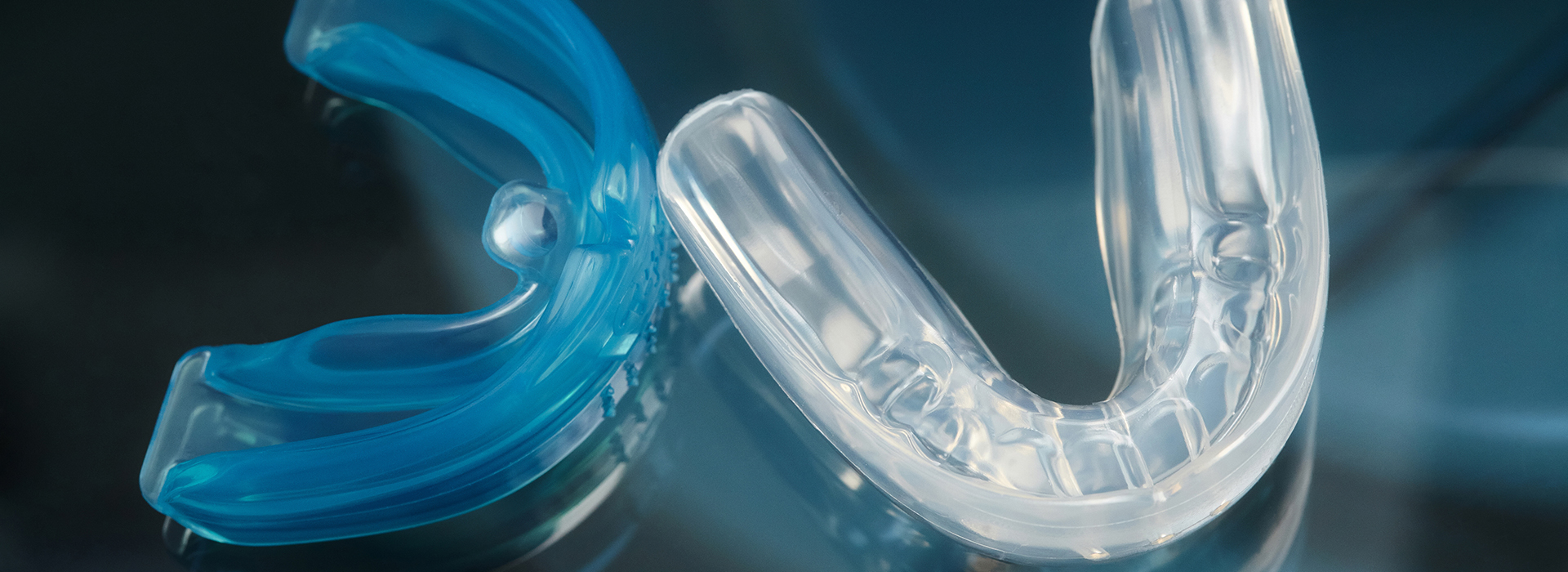
Blue and clear custom sports mouthguards resting side by side on a glossy dark surface to protect teeth during athletics

Protecting More Than Teeth: Why Mouthguards Matter

Sports-related impacts can damage more than just a smile. A single blow to the face can result in fractured teeth, soft-tissue lacerations, jaw injuries, or even concussions that have oral health consequences. For athletes of all ages, a mouthguard acts as a first line of defense — absorbing and dispersing force to reduce the severity of these injuries. Understanding this protective role helps players, parents, and coaches make safer choices on and off the field.

Beyond immediate trauma prevention, consistent mouthguard use can lower the chance of long-term dental problems that require extensive treatment. Avoiding chips, root damage, or tooth loss also protects the function and appearance of the smile, as well as the surrounding gum and bone structures. For contact and collision sports, using an appropriate mouthguard is a practical injury-prevention strategy rather than an optional accessory.

Mouthguards also help guard against soft-tissue injuries. During high-speed play or hard contact, the lips, cheeks, and tongue can be pinched or torn between teeth and opponents’ equipment. A properly fitted guard creates a smooth barrier that reduces those risks and promotes confidence during competition. For younger athletes, it’s a simple habit that can prevent years of dental complications.

Finally, consistent protective behavior reinforces a culture of safety in teams and clubs. Coaches who prioritize mouthguard use help set expectations for responsible play, and athletes who adopt protective gear early are more likely to maintain those habits. In short, mouthguards protect immediate health and preserve long-term dental integrity, making them an essential element of safe athletic participation.

Understanding Your Options: Stock, Boil-and-Bite, and Custom Guards

Not all mouthguards are created equal. The market generally offers three broad categories: inexpensive stock guards, boil-and-bite models, and custom appliances made by a dental professional. Stock guards are pre-formed and ready to wear but often fit poorly, which can compromise protection and breathing. Boil-and-bite varieties allow some customization by molding the softened material around the teeth, improving fit for many users.

Custom mouthguards, crafted from precise dental impressions, provide the most accurate fit and consistent coverage. Because they are fabricated to match an individual’s bite and dental anatomy, they sit more securely, allow better speech and breathing, and distribute impact forces more effectively. For athletes who play frequently or participate in high-contact sports, the tailored fit of a custom guard offers noticeable advantages over off-the-shelf alternatives.

Material quality and thickness also vary between types. Thicker, multi-layered guards tend to offer superior shock absorption, while thinner models may be more comfortable but provide less protection. A well-designed guard balances adequate thickness where protection matters most with a streamlined profile that keeps the appliance comfortable and unobtrusive during activity.

Choosing the right type depends on the sport, frequency of play, dental work such as braces or implants, and the athlete’s comfort. Working with a dental professional to evaluate these factors helps ensure the selected mouthguard meets both safety needs and performance preferences. In many cases, an investment in a custom guard means better protection with greater comfort and a longer useful life.

Who Benefits Most from a Custom-Fitted Mouthguard?

Certain athletes have a greater need for customized protection. Participants in contact sports — like football, hockey, lacrosse, boxing, and martial arts — face repeated impacts and therefore benefit significantly from individually fitted guards. Likewise, athletes wearing braces, bridges, or other dental appliances may require specialized designs to protect both natural teeth and orthodontic hardware without causing additional irritation.

Young athletes are another key group. Children and adolescents often play multiple seasons per year and are still developing facial and dental structures. Custom guards can be adjusted for growth and provide tailored coverage that reduces the risk of developmental complications resulting from dental trauma. Coaches and parents should consider fit and fit-maintenance as children mature.

Even non-contact athletes can benefit in specific situations. Sports that involve high speeds, falls, or projectiles — such as cycling, skiing, or baseball — present risks where a properly fitted guard can prevent significant injury. For athletes who value both protection and performance, a custom option minimizes disruption while maximizing safety.

Ultimately, anyone who wants reliable protection that supports breathing, communication, and comfort should consider a custom mouthguard. A dental evaluation clarifies personal risk factors and ensures the selected appliance addresses the athlete’s unique anatomy and activity profile.

The Custom Mouthguard Process: What to Expect at Your Appointment

Obtaining a custom mouthguard is a straightforward, clinic-based process designed to produce a precise, comfortable appliance. The dentist or trained team member begins by reviewing your medical and dental history, discussing the athlete’s sport and position, and assessing any special considerations such as braces, crowns, or previous injuries. This conversation guides decisions about material, thickness, and design features.

Next comes the impression or digital scan of the teeth. Many modern practices use digital intraoral scanners to capture an accurate 3D model, while others may use traditional impressions. Either method provides the detailed template a dental laboratory needs to fabricate a guard that matches the bite and contours of the mouth. This personalized approach ensures secure fit, stable retention, and appropriate occlusal support.

Once the laboratory fabricates the appliance, the patient returns for a fit check. The clinician evaluates comfort, retention, breathing, and the athlete’s speech with the guard in place, making minor adjustments if necessary. A well-adjusted custom mouthguard should stay in position during activity, allow natural breathing, and minimize interference with communication on the field.

Follow-up care includes learning proper insertion and removal techniques, storage recommendations to avoid deformation, and how to monitor for signs of wear. Periodic re-evaluation is important, especially for growing athletes or those who sustain dental changes; adjustments or replacements may be required to maintain optimal protection over time.

Maintenance, Replacement, and the Long-Term Payoff

Regular care keeps a mouthguard functioning as intended. Rinse the appliance after use, allow it to air dry, and store it in a ventilated case to prevent microbial growth. Clean it periodically with a toothbrush and mild soap or a manufacturer-recommended cleanser; avoid hot water or harsh chemicals that can warp or degrade the material. Proper maintenance extends the useful life and preserves hygiene.

Inspect the guard frequently for tears, holes, or compression. Even small defects can reduce shock absorption and compromise safety, so replace or repair a damaged appliance promptly. For adolescent athletes, plan for periodic replacements to accommodate growth and dental changes. A dental professional can advise on timing and help determine when a new guard is warranted.

Beyond immediate protection, consistent use of an appropriate mouthguard reduces the likelihood of costly and invasive dental procedures that follow traumatic injury. By preserving natural teeth and minimizing soft-tissue damage, an effective guard protects both oral health and overall well-being. That long-term preservation of function and appearance is a key benefit for athletes at every level.

If you’re unsure which option is best for your situation, schedule a consultation with a dental provider who understands sports dentistry. The office of Macri Dental in Greenwood Village, CO, can assess risk factors, recommend appropriate materials and designs, and guide you through fitting and care so your athlete stays protected season after season.

In summary, a quality mouthguard is an essential piece of protective equipment for athletes who want to reduce the risk of dental and facial injury. From understanding types and identifying who benefits most to knowing what to expect during the fitting process and how to care for the appliance, informed choices make a meaningful difference in safety and performance. Contact us to learn more about which mouthguard is right for you or your athlete.

Frequently Asked Questions

What is a sports mouthguard and how does it protect my teeth?

+

A sports mouthguard is a protective oral appliance that covers the teeth and surrounding tissues during athletic activity. It cushions the teeth and spreads impact forces across a larger area to reduce the chance of fractures and displacement. Mouthguards also create a barrier between the teeth and soft tissues, lowering the likelihood of lacerations to the lips, cheeks, and tongue.

Beyond immediate injury prevention, consistent mouthguard use helps protect the supporting gum and bone structures that can be harmed in traumatic impacts. By preventing chips, root damage, and tooth loss, a mouthguard can help avoid complex restorative treatments later on. Properly fitted appliances also support breathing and communication, so athletes can perform without unnecessary interference.

What types of mouthguards are available and how do they differ?

+

There are three common categories of mouthguards: stock, boil-and-bite, and custom-fitted devices. Stock guards are pre-formed and ready to wear but typically offer a poor fit, which can reduce protection and comfort. Boil-and-bite guards improve fit by molding heated material to the teeth, but results vary with technique and anatomy.

Custom-fitted mouthguards are made from impressions or digital scans and fabricated in a dental laboratory to match the athlete’s bite and contours precisely. These appliances generally provide superior retention, consistent coverage, and better distribution of impact forces compared with off-the-shelf options. Material quality and multi-layer construction can further enhance shock absorption while preserving comfort and speech.

Who should consider a custom-fitted mouthguard?

+

Athletes in contact and collision sports such as football, hockey, lacrosse, martial arts, and boxing derive the greatest protective benefit from custom-fitted guards. Players with orthodontic appliances, dental implants, crowns, or bridges also need tailored designs to protect both natural teeth and dental work without causing irritation. Young athletes deserve special attention because growth and mixed dentition can change fit quickly as they develop.

Even athletes in non-contact sports where high speed, falls, or projectiles are possible — like cycling, skiing, or baseball — may benefit from a well-fitted mouthguard. Frequency of play, position-specific risks, and individual anatomy influence the best choice for protection and performance. A dental evaluation clarifies these risk factors and helps determine whether a custom option is appropriate.

How is a custom mouthguard made at the dental office?

+

A typical custom mouthguard appointment begins with a review of the athlete’s dental and medical history and a discussion of sport-specific needs. The clinician then captures an accurate model of the teeth using a digital intraoral scanner or traditional impressions. This record guides the dental laboratory in creating an appliance that matches occlusion and oral contours precisely.

When the guard returns from the laboratory, the clinician performs a fit check and makes minor adjustments to optimize comfort, retention, and breathing. The patient learns proper insertion and removal, storage practices, and signs of wear to monitor at home. Periodic re-evaluation ensures the device continues to fit correctly as the athlete’s dentition or orthodontic status changes.

Can a mouthguard help prevent concussions or jaw injuries?

+

Mouthguards reduce the severity of blunt trauma to the teeth and jaw by absorbing and dispersing impact energy across a wider area. While they are effective at protecting dental and soft-tissue structures, evidence about preventing concussions is mixed and depends on the mechanism of injury. Clinicians therefore describe mouthguards as one component of a broader concussion-prevention strategy rather than a standalone solution.

Proper fit is an important factor because a loose or ill-fitting device can shift on impact and fail to distribute forces as intended. Combining a well-designed mouthguard with sport-specific helmets, rule enforcement, and proper technique offers the best chance to lower head and facial injury risk. Athletes and coaches should view mouthguards as essential for oral protection while continuing other safety practices for concussion prevention.

How should I care for and clean my mouthguard?

+

Rinse a mouthguard with cool water immediately after use, then allow it to air dry before storing it in a ventilated case to limit microbial growth. Clean the appliance periodically with a toothbrush and mild soap or a manufacturer-recommended cleanser to maintain hygiene and appearance. Avoid hot water, abrasive cleaners, and household chemicals that can warp or degrade the material.

Inspect the guard before each use for tears, holes, or compression, because even small defects can reduce shock absorption. If you notice damage or persistent odor despite cleaning, discontinue use and consult your dental provider for repair or replacement. Proper storage away from direct sunlight and heat will extend service life and preserve fit.

How often should a mouthguard be replaced or re-evaluated?

+

Replacement frequency depends on material wear, changes in dental anatomy, and growth in younger athletes rather than a fixed calendar interval. Adolescent athletes typically need more frequent replacement as teeth erupt and jaw dimensions change, which can compromise fit and protection. High-frequency players should also have guards evaluated regularly for compression or material breakdown.

Damage such as tears, permanent compression, or changes after dental work are clear signs a guard should be replaced promptly to maintain safety. Routine dental checkups provide opportunities to assess fit and recommend updates or new fabrication when needed. Keeping a record of the appliance’s condition and purchase date helps clinicians advise on timely replacement without guesswork.

Are there mouthguards designed for athletes with braces or dental work?

+

Athletes with braces, fixed bridges, or implants require special consideration because appliances can be damaged by impacts and orthodontic hardware can be a laceration risk. Custom mouthguards can be relieved or designed with specific channels to accommodate brackets and wires while providing continuous protective coverage. These specialized designs reduce the likelihood of appliance-related injury and help protect orthodontic progress.

A dental professional can coordinate with an orthodontist to determine timing and design while minimizing interference with ongoing treatment. In some cases, an appliance may need periodic adjustment as orthodontic work progresses to preserve fit and protection. Choosing a guard that balances cushioning with stability helps athletes maintain performance without compromising dental treatment.

How do I choose the right mouthguard for my sport and level of play?

+

Selecting the right mouthguard starts with assessing the sport, position-specific impact risks, and how often the athlete plays. Breathability, speech clarity, and retention are important performance factors that influence whether an off-the-shelf or custom option is most appropriate. Material durability and multi-layer construction become more relevant for athletes in high-contact environments.

Consulting a dental professional ensures the guard design addresses individual anatomy, dental restorations, and any special needs such as sleep-disordered breathing or TMJ concerns. A tailored approach typically results in better compliance because a comfortable guard is more likely to be worn consistently. Combining clinical advice with athlete preference produces a practical solution that balances safety and performance.

What should I expect when I get a custom mouthguard at Macri Dental?

+

When you schedule a custom mouthguard at the office of Macri Dental in Greenwood Village, CO, expect an initial evaluation of medical and dental history and a discussion about your sport and specific risks. The team will capture an impression or digital scan to create an accurate model of your bite, then send that record to a dental laboratory for fabrication. A follow-up appointment ensures fit, comfort, and function before the guard is cleared for use.

The office will provide instructions for cleaning, storage, and monitoring for wear, and will recommend re-evaluation intervals based on growth, orthodontic changes, or injury. If minor adjustments are needed after initial delivery, the clinician can trim or adapt the appliance to improve retention and breathing. This clinic-based approach emphasizes predictable fit and ongoing support so athletes remain protected throughout the season.

Contact Us

Exceptional Dentistry, Centered Around You

Discover a dental experience built around your comfort, needs, and goals. Our team is here to answer your questions, help you explore your treatment options, and make scheduling your visit simple and convenient. Contact our office today and take the next step toward personalized, high-quality dental care for you and your family.

Office Hours

Monday
9:00 am - 5:00 pm
Tuesday
7:00 am - 4:00 pm
Wednesday
7:00 am - 3:00 pm
Thursday
7:00 am - 2:00 pm