Smiling woman with a blonde bob and tan cardigan showing healthy teeth after periodontal treatment

Teeth Whitening

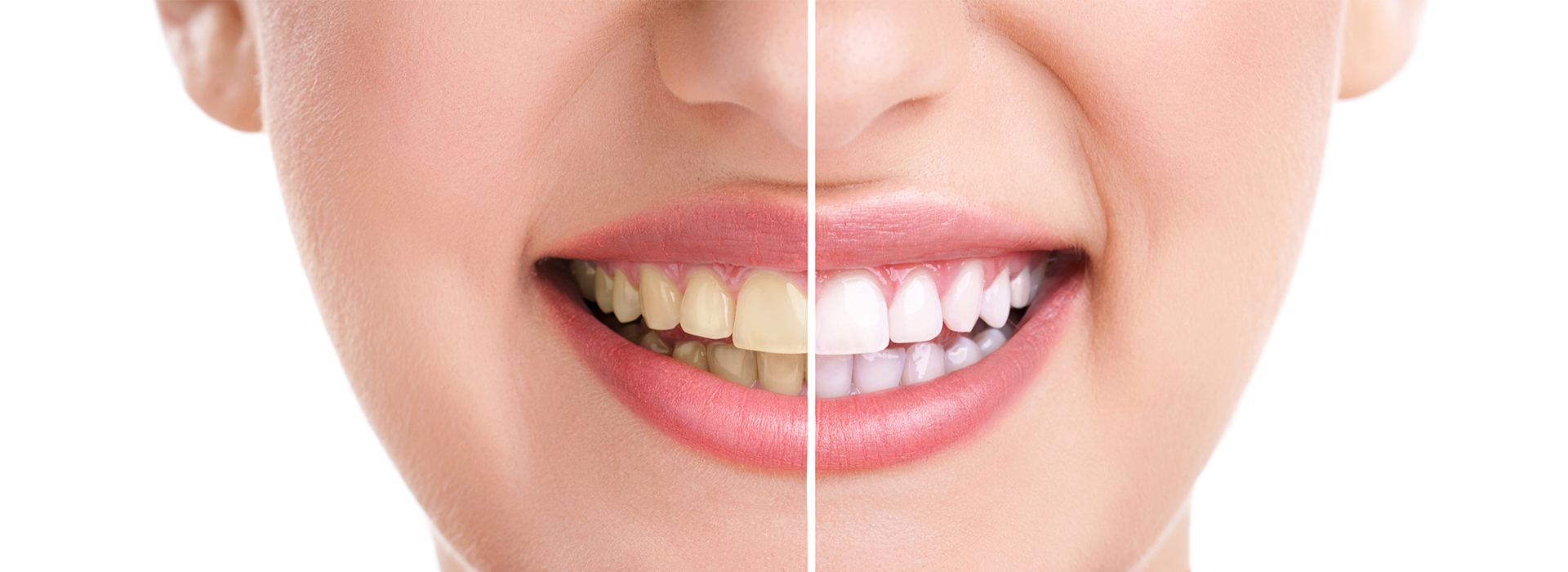
Before and after split view of a smile showing yellowed teeth on the left and bright white teeth after whitening on the right

A brighter smile can change the way you feel about yourself and how others perceive you. At Macri Dental, we combine careful evaluation, modern whitening systems, and patient-centered planning to help you achieve a more radiant smile without sacrificing oral health. Our goal is to deliver results that look natural and fit your lifestyle.

If staining or discoloration has left your teeth looking dull, there are reliable professional options to lighten and refresh your smile. Whether you prefer an in-office treatment for a rapid transformation or a custom take-home system for gradual improvement, we’ll guide you through the choices and set realistic expectations about outcomes and maintenance.

Throughout treatment we emphasize safety, comfort, and long-term appearance. We pair evidence-based protocols with gentle care to reduce sensitivity and protect enamel, so the whitening process enhances your smile without compromising dental health.

Tailored whitening plans built around your smile

No two smiles are exactly alike, and a successful whitening outcome starts with an individualized plan. Before any whitening is recommended, we review your dental history, examine restorations, and assess gum and enamel health. That baseline lets us choose the best delivery method and concentration for your needs.

Some patients benefit most from a single, professionally supervised in-office session that uses higher-concentration agents under protective isolation. Others achieve excellent results with custom take-home trays that deliver controlled doses over several nights. We’ll explain the advantages and timelines for each approach so you can make an informed choice.

Personal factors such as tooth shade, existing dental work, sensitivity, and lifestyle all influence the recommended protocol. We also discuss realistic goals — for example, how many shades lighter a natural tooth may reliably become — and what follow-up or touch-ups might look like to maintain your results.

Understanding what causes tooth discoloration

Tooth color changes for many reasons, and identifying the source helps determine whether whitening will be effective. Extrinsic stains originate on the tooth surface and are often caused by foods, beverages, tobacco, or poor polishing over time. These stains are often the most responsive to whitening.

Intrinsic discoloration occurs within the tooth structure and can result from genetics, certain medications taken during tooth development, dental trauma, or previous dental treatments. Because these stains are internal, they sometimes respond less predictably to bleaching and may require alternative cosmetic approaches.

Aging contributes to a darker appearance too: enamel wears and thins with time, revealing more of the naturally yellow dentin beneath. Our exam identifies the predominant type of staining so we can recommend the treatment most likely to produce an attractive, lasting improvement.

Professional systems versus over-the-counter products

The market offers many over-the-counter whitening options, from toothpastes to strips and kits. While some of these products can reduce mild surface staining, professional-strength systems are formulated and delivered to provide stronger, faster, and safer results when used correctly. Supervised treatment protects soft tissues and helps avoid uneven whitening or overuse.

Professional whitening uses higher concentrations of peroxide and controlled application methods that limit exposure to gums and lips. That combination improves effectiveness while minimizing common side effects such as sensitivity or irritation. For patients with dental restorations or compromised enamel, professional oversight is particularly important.

Some retail products can be abrasive or inconsistent in their active ingredients, and unsupervised use may exacerbate sensitivity or fail to address underlying dental issues. We consider these factors and recommend options that balance efficacy, safety, and convenience for each individual.

The science behind whitening and how treatments work

Most whitening treatments rely on peroxide-based chemistry to break down colored molecules within enamel and dentin. Hydrogen peroxide and carbamide peroxide are the primary active agents; carbamide peroxide breaks down into hydrogen peroxide and urea, which means its effects are released over a longer period. The choice of agent and concentration determines how quickly and effectively stains are oxidized.

In-office treatments often use higher concentrations of peroxide under controlled conditions, sometimes with protective barriers and cooling intervals to reduce sensitivity. Take-home systems use lower concentrations over longer contact times, allowing for gradual lightening that can be gentler on sensitive teeth.

Regardless of delivery method, the goal is the same: oxidize stain molecules so they no longer absorb and scatter light the same way, resulting in a visibly whiter tooth. We monitor progress and adjust treatment so results are even and natural-looking.

Preparing for treatment and important precautions

Before whitening, we complete a thorough oral examination to check for cavities, cracked restorations, active gum disease, or exposed root surfaces. Addressing these conditions first helps prevent irritation and ensures whitening is both safe and effective. In some cases, treating underlying problems before bleaching produces a better overall outcome.

Whitening only changes the shade of natural tooth structure and does not alter the color of existing crowns, veneers, fillings, or bonding. If restorations are visible in the smile zone, we’ll review options so your final result appears balanced and harmonious. That planning can include coordinating restorative work after whitening to match the new tooth shade.

Those with significant sensitivity, advanced enamel wear, or untreated periodontal issues may require an alternate approach. We take steps to minimize discomfort, including recommending desensitizing products and staging treatment to protect your comfort throughout the process.

Aftercare habits that preserve your brighter smile

How you care for your teeth after whitening has a big impact on how long the effect lasts. The first 48 hours are especially important because the tooth surface is more receptive to staining immediately after treatment. During that period, avoiding strongly colored foods and drinks — and refraining from tobacco use — helps protect the newly lightened enamel.

Small daily choices make a difference over time. Drinking beverages through a straw when practical, rinsing with water after staining foods, and maintaining regular brushing and flossing reduce re-staining. Periodic touch-ups with a professional take-home product can refresh shade as needed without repeating an in-office session.

If mild sensitivity occurs, products formulated for sensitive teeth and short-term use of over-the-counter analgesics often help. We’ll provide specific aftercare guidance tailored to your treatment and follow up to ensure your smile remains comfortable and vibrant.

Teeth whitening is a safe, effective way to refresh your smile when it’s planned and performed with professional oversight. Our team focuses on individualized treatment plans, protective protocols, and practical aftercare so you enjoy a natural-looking result that lasts. Contact us to learn more about whitening options and to determine the best path to a brighter smile.


Frequently Asked Questions

What is professional teeth whitening and how does it work?

+

Professional teeth whitening uses peroxide-based agents to break down colored molecules within enamel and dentin. Hydrogen peroxide and carbamide peroxide are the primary active agents, and carbamide peroxide gradually releases hydrogen peroxide for sustained effect. This oxidation changes the way teeth absorb and scatter light, producing a visibly lighter shade. The choice of agent and concentration influences how quickly and how much whitening occurs.

In-office treatments apply higher concentrations under controlled conditions to produce faster results while take-home systems use lower concentrations over longer contact times for gradual lightening. Both approaches aim for even, natural-looking outcomes and include steps to limit soft-tissue exposure and sensitivity. At Macri Dental we choose the method that best balances speed, comfort, and expected results for each patient.

Am I a good candidate for teeth whitening?

+

Good candidates typically have extrinsic surface stains from foods, beverages, or tobacco and generally healthy teeth and gums. People with extensive restorations in the visible smile, active decay, or untreated periodontal disease may need those issues addressed before whitening. Intrinsic stains from trauma, genetics, or certain medications can be more challenging and may not respond predictably to bleaching.

A dental exam identifies the dominant type of discoloration and any conditions that could affect safety or effectiveness. We evaluate restorations, enamel thickness, and sensitivity before recommending a protocol. If whitening is unlikely to meet your goals, we discuss alternative cosmetic options that can deliver reliable, lasting improvement.

What is the difference between in-office whitening and custom take-home systems?

+

In-office whitening uses higher concentrations of peroxide in a single professional session to produce rapid, noticeable improvement under close supervision. Protective isolation and short application cycles help reduce soft-tissue exposure and allow the clinician to manage sensitivity as it occurs. Results from an in-office session are often immediate, though some patients require follow-up or touch-ups for optimal shade.

Custom take-home systems use lower-concentration gels placed in fitted trays and worn for prescribed periods over days or weeks. This slower approach can be gentler on sensitive teeth and convenient for patients who prefer treatment at home. Both methods can achieve excellent results when matched to patient needs and performed with professional guidance.

How should I prepare for a whitening appointment?

+

Before whitening, schedule a dental exam to confirm there are no untreated cavities, cracked restorations, exposed roots, or active gum disease that could complicate treatment. Addressing these issues first reduces the risk of irritation and helps ensure more predictable results. A professional cleaning before whitening also removes surface deposits so whitening agents act on tooth structure rather than plaque or calculus.

If you plan to use a take-home system, impressions may be needed to fabricate custom trays for a precise fit and controlled gel delivery. We also review your dental history, sensitivity concerns, and expectations so the chosen protocol fits your lifestyle. Patients in Greenwood Village and the surrounding area are invited to discuss these steps with our team to ensure a comfortable, well-planned experience.

Will whitening damage my enamel or increase sensitivity?

+

When performed appropriately, professional whitening is designed to protect enamel and minimize adverse effects. Peroxide-based agents act on stain molecules rather than dissolving enamel, and clinicians use protective measures to limit soft-tissue contact and exposure. That said, transient sensitivity is a common, usually short-lived side effect that some patients experience during or after treatment.

To manage sensitivity we may recommend desensitizing products, adjust the concentration or timing of treatment, or stage whitening over multiple visits. Long-term enamel harm is unlikely with supervised professional care and appropriate post-treatment maintenance. If sensitivity is prolonged or severe, contact your dental provider for evaluation and tailored management.

How long do whitening results last and what factors influence longevity?

+

Whitening results vary but commonly last from several months to a few years depending on habits and maintenance. Regular exposure to staining foods and beverages, tobacco use, and natural aging can gradually diminish whitened shades. Good oral hygiene, routine professional cleanings, and minimizing stain-causing items extend the visible benefit.

Periodic touch-ups with a professional take-home product are an effective way to refresh shade without repeating an in-office session. The frequency of touch-ups depends on individual staining tendencies and lifestyle. Your dentist will recommend a maintenance schedule tailored to how your teeth respond over time.

Can whitening change the color of crowns, veneers, or fillings?

+

No, whitening affects natural tooth structure and does not change the color of dental restorations such as crowns, veneers, fillings, or bonding. Because restorations are made from materials that do not respond to peroxide, they can appear darker or mismatched if whitening is done without planning. For patients with visible restorations, coordinating restorative work after whitening often produces the most harmonious smile.

We evaluate any existing cosmetic or restorative work before starting bleaching and discuss strategies for achieving a balanced result. In some cases, restorations can be replaced or adjusted after whitening to match the new tooth shade. Careful planning prevents surprises and ensures a consistent final appearance.

Are over-the-counter whitening products effective compared with professional systems?

+

Over-the-counter products such as toothpastes, strips, and retail kits may reduce mild surface staining but generally contain lower concentrations of active ingredients than professional systems. That means they can be slower to work and may produce less dramatic or less predictable results. Some retail options are helpful for maintenance, but unsupervised use can increase the risk of uneven whitening or unnecessary sensitivity.

Professional systems provide stronger, controlled formulations and custom delivery methods that improve effectiveness and safety. Clinician oversight also allows for management of restorations, sensitivity, and other concerns that over-the-counter products cannot address. We recommend selecting the approach that best fits your staining type and oral health profile for reliable outcomes.

What should I do if I experience sensitivity after whitening?

+

Transient sensitivity after whitening is common and often resolves within a few days to a couple of weeks. Using toothpaste formulated for sensitive teeth, avoiding very hot or cold foods and drinks for a short time, and taking over-the-counter analgesics as needed can ease discomfort. Rinsing with water and maintaining gentle brushing with a soft-bristled brush also helps reduce irritation.

If sensitivity persists, intensifies, or is accompanied by other symptoms, contact your dental provider for evaluation. The clinician can recommend in-office treatments, alter your whitening schedule, or identify any underlying issues that require attention. Prompt follow-up ensures your comfort and the best long-term result.

How can I maintain a brighter smile after whitening?

+

Protecting your new shade starts in the first 48 hours when teeth are more receptive to staining, so avoid strongly colored foods and tobacco during that period. Long-term maintenance includes good oral hygiene, regular professional cleanings, and mindful choices like drinking staining beverages through a straw or rinsing after consuming them. Consistent care reduces the rate of re-staining and preserves a natural-looking result.

Periodic touch-ups with a professional take-home tray or an occasional in-office session can refresh color without repeating a full treatment course. Discuss a personalized maintenance plan with your dentist that matches your lifestyle and staining tendencies. Following a tailored program helps you enjoy a brighter smile for years to come.

Contact Us

Exceptional Dentistry, Centered Around You

Discover a dental experience built around your comfort, needs, and goals. Our team is here to answer your questions, help you explore your treatment options, and make scheduling your visit simple and convenient. Contact our office today and take the next step toward personalized, high-quality dental care for you and your family.

Office Hours

Monday
9:00 am - 5:00 pm
Tuesday
7:00 am - 4:00 pm
Wednesday
7:00 am - 3:00 pm
Thursday
7:00 am - 2:00 pm