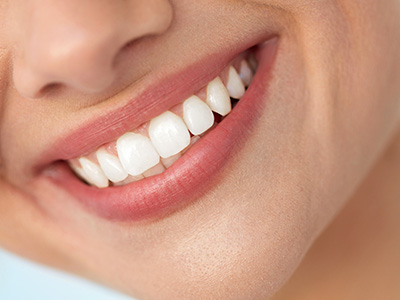
Composite bonding is a conservative, tooth-preserving way to brighten and reshape teeth using a tooth-colored resin that's bonded directly to the enamel. It addresses common concerns—small chips, uneven edges, minor gaps, and localized discoloration—often in a single, efficient visit. Because the material is sculpted and cured right in the mouth, composite bonding gives predictable aesthetic improvements without removing significant tooth structure.
How composite bonding works: materials and principles
Composite bonding relies on modern dental resins that mimic the translucency and shade of natural teeth. The resin contains a matrix of polymers and finely ground fillers that provide both strength and a lifelike appearance. When applied, the surface of the tooth is gently prepared so the resin can adhere reliably; an adhesive system creates a strong chemical and micromechanical bond between the resin and the enamel.
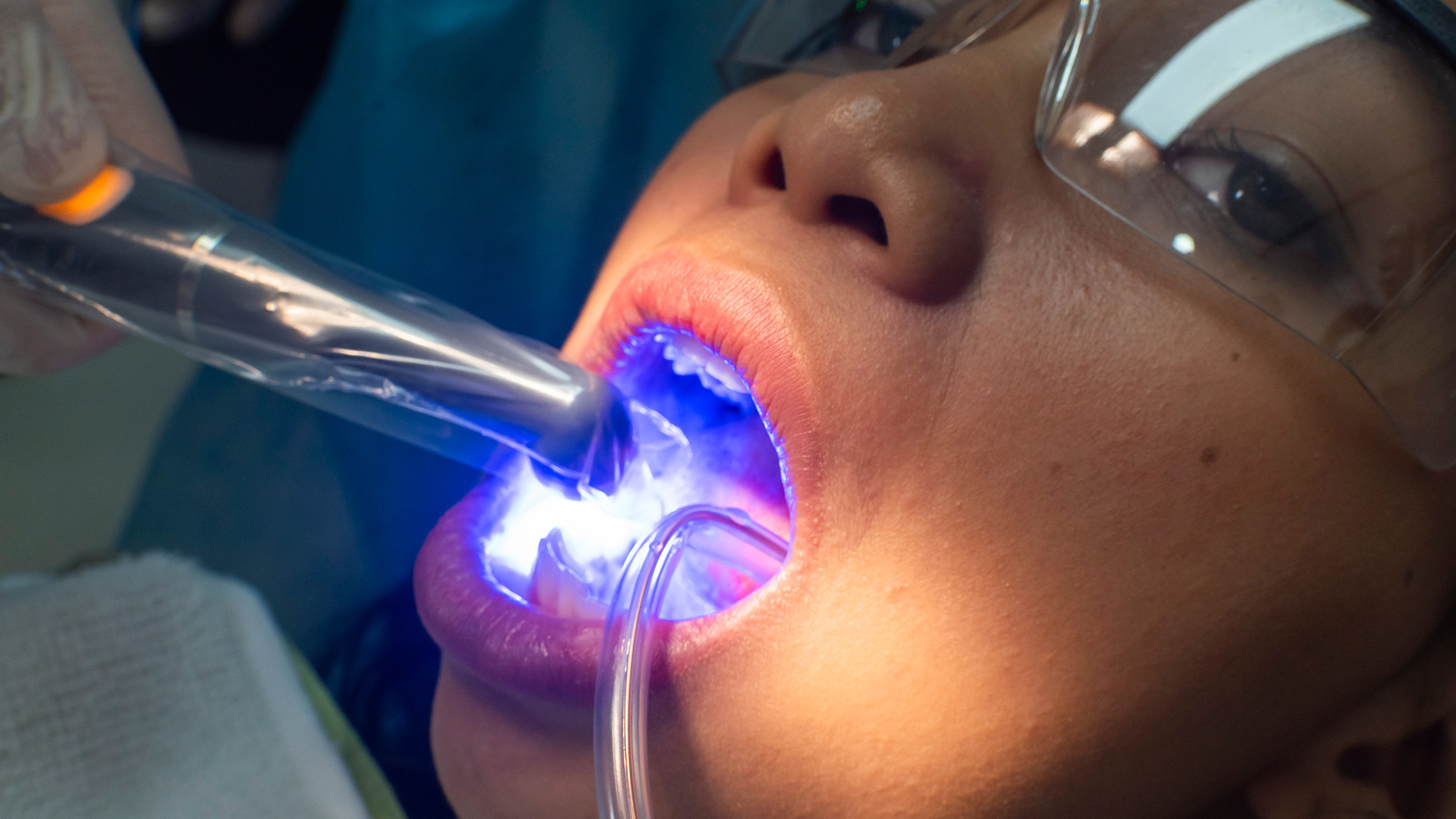
After the resin is placed, the dentist sculpts it to achieve the desired contour and texture, matching adjacent teeth for a seamless transition. A curing light then hardens the material quickly, converting the resin from a pliable state into a durable, polished restoration. The result is an enhancement that blends with the natural dentition and resists everyday wear when maintained properly.
Because bonding is additive rather than subtractive, the procedure preserves the majority of the tooth’s original structure. That conservative approach makes composite bonding an attractive option for patients seeking cosmetic improvement without committing to more invasive treatments such as veneers or crowns.
Who benefits from bonding and what it can accomplish
Composite bonding is versatile and appropriate for many patients who want to correct minor aesthetic flaws. It can repair chips and cracks, close narrow spaces between teeth, lengthen slightly short teeth, and mask isolated stains that are resistant to whitening. For people who desire quick improvements with minimal intervention, bonding provides a practical solution that often meets cosmetic goals in one appointment.
Bonding is also well suited to younger patients or those who prefer to avoid removing healthy enamel. Because it is reversible and adaptable, the treatment can be a stepping stone to other procedures later, should a patient choose a more extensive smile makeover. It’s a commonly selected option when the aim is subtle enhancement rather than a dramatic transformation.
Not every situation is ideal for bonding—large areas of decay, significant wear, or extensive discoloration may call for alternative restorative options. A thorough clinical exam and discussion with your dentist will help determine whether bonding is the best path to achieve both aesthetic and functional goals.
What to expect during a bonding appointment
The procedure begins with a brief consultation to confirm goals and evaluate the teeth involved. Photos and shade selection are often taken to ensure a natural match. Minimal preparation is performed: the dentist cleans the tooth and may roughen the surface very slightly to promote adhesion. In many cases, anesthesia is not necessary unless the restoration is close to a sensitive area.
Next, a bonding agent is applied to the tooth, followed by layers of resin that are carefully sculpted to build the desired shape. Each layer is hardened with a specialized light, allowing the dentist to refine contours and make subtle adjustments as the restoration takes form. The layering technique also helps mimic the depth and character of natural enamel.
Once shaping is complete, the bonded tooth is polished to a high shine and checked for comfortable bite and alignment. The entire visit is typically brief—often completed in under an hour for a single tooth—making it a convenient option for patients with busy schedules.
Before concluding, the dentist will review aftercare steps and schedule follow-up if needed. If multiple teeth are being treated, or if the case requires additional refinement, the dentist may recommend a short return visit to perfect the outcome.
Longevity, maintenance, and realistic expectations
Properly placed composite bonding offers durable results, but it is not indestructible. The lifespan of bonded restorations depends on factors such as oral hygiene, diet, habits (for example, nail-biting or using teeth to open packages), and the location of the restoration. Routine care—regular brushing with a nonabrasive toothpaste, daily flossing, and semiannual dental exams—helps maintain both appearance and function.
Because the surface of the resin can pick up stains over time, patients should be mindful of highly pigmented foods and beverages and avoid tobacco products. Professional polishing during regular cleanings can refresh the finish and reduce the appearance of surface discoloration. If a bonded area becomes chipped or worn, repairs are usually straightforward and can be accomplished without replacing the entire restoration.
It’s important to set realistic expectations: composite bonding can dramatically improve small aesthetic concerns, but it performs differently than porcelain restorations. For cases that require maximum longevity or significant structural reinforcement, the dentist may recommend ceramic veneers or crowns as alternatives that better meet those specific needs.
Why patients choose our approach to composite bonding
Our practice focuses on treatments that preserve tooth structure while delivering natural-looking results. Composite bonding fits this philosophy because it allows precise, minimally invasive correction with immediate improvements that respect the surrounding teeth. We prioritize conservative techniques and thorough planning to ensure results that are both attractive and durable.
We combine careful shade matching, attention to surface texture, and meticulous finishing to achieve outcomes that blend seamlessly with a patient’s smile. Before any treatment, we discuss aesthetic goals, material options, and the expected steps in the procedure so patients can make informed choices that align with their needs and lifestyle.
For patients who value convenience and an evidence-based, patient-centered approach, composite bonding offers a compelling balance of aesthetics and preservation. When appropriate, we integrate bonding into broader treatment plans to support long-term oral health as well as appearance.
In summary, composite bonding is a conservative, efficient way to correct minor cosmetic concerns and restore confidence in your smile. If you’d like to learn whether this treatment is right for you, please contact Macri Dental for more information or to schedule a consultation.