Keeping your smile healthy starts at home, but professional dental cleanings are an essential layer of prevention that patients shouldn’t overlook. Routine hygiene visits remove hardened deposits and bacterial buildup that daily brushing and flossing can't always reach. Beyond a fresher mouth and brighter smile, professional cleanings help interrupt the chain of events that leads to cavities, gum inflammation, and more serious periodontal problems.
Why professional cleanings matter for whole‑body health
Dental plaque is a living biofilm that accumulates continuously on tooth surfaces and along the gumline. When left in place, it mineralizes into tartar, which adheres tightly to enamel and can only be removed by trained hands and specialized tools. Removing these deposits reduces the reservoir of bacteria that contribute to decay and gum disease.
Emerging research links chronic oral inflammation to broader health concerns, including cardiovascular disease, diabetes management, and pregnancy outcomes. Regular cleanings and the early detection of periodontal changes help patients and clinicians manage oral inflammation before it becomes a systemic concern.
For most patients, a preventive schedule of visits every six months is an effective baseline, though some individuals benefit from more frequent care based on personal risk factors. Your hygienist will review your oral health profile and recommend an interval that best supports lasting stability.
What happens during a modern hygiene appointment
Every visit begins with a focused review of your medical and dental history to identify any changes that could affect treatment—new medications, recent procedures, or evolving health conditions. A careful clinical exam follows, often including visual inspection and intraoral photos or radiographs when needed to reveal what can’t be seen with the naked eye.
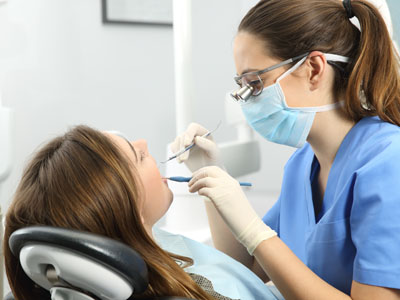
Cleaning starts with the removal of plaque and tartar using a combination of instruments. Ultrasonic scalers use gentle vibrations and water to break away deposits, while hand instruments refine the surfaces and access tight spaces. Many hygienists alternate between these methods to achieve a thorough, efficient result while minimizing discomfort.
After scaling, teeth are smoothed and polished to reduce surface staining and make it harder for new plaque to adhere. The appointment typically finishes with targeted oral hygiene instruction—proper brushing techniques, flossing tips, and product recommendations tailored to your needs.
If you experience sensitivity or if deeper cleaning is required beneath the gumline, clinicians can use topical anesthetic or other comfort measures as appropriate. Hygienists and dentists work together to ensure each visit is both effective and comfortable.
Advanced tools and thoughtful techniques that improve outcomes
Contemporary cleanings benefit from technology that enhances precision and patient comfort. Ultrasonic scalers and air‑polishing devices remove stubborn stains and biofilm more efficiently than manual methods alone, while intraoral cameras and digital radiography allow clinicians to document and explain findings clearly to patients.
Laser-assisted treatments may be used in specific situations to reduce bacteria and support healing of inflamed tissues, and digital tools help clinicians plan care with greater predictability. These technologies do not replace clinical judgment; they extend a clinician’s ability to diagnose, treat, and monitor oral health with accuracy.
Equipment choices and techniques are selected according to each patient’s needs—what works well for one person may be unnecessary for another. A thoughtful, evidence-based approach ensures that technology serves the goal of improved oral health, not complexity for its own sake.
How cleanings protect gum tissue and preserve teeth over time
Routine cleanings interrupt the progression from gingivitis (reversible gum inflammation) to periodontitis (destructive gum disease). When plaque and tartar persist, the immune response can cause the soft tissues and supporting bone to break down, leading to pocketing and tooth mobility. Regular professional care helps keep those destructive processes in check.
For patients with a history of periodontal disease, maintenance visits at shorter intervals are often necessary to stabilize the tissues and monitor for recurrence. These visits focus on thorough removal of subgingival deposits and careful evaluation of pocket depths, bleeding, and tissue health.
Conservative, ongoing prevention is generally the most effective and least invasive path to preserving natural teeth. When combined with consistent home care, professional cleanings form the backbone of long‑term dental stability.
At Macri Dental, our clinicians prioritize evidence-based preventive strategies and clear communication so patients understand how each visit contributes to long-term outcomes.
Preparing for a cleaning and getting the most from your visit
Before your appointment, it helps to update your medical history and make a note of any changes in medications, allergies, or recent health events. Let the team know if you have concerns such as tooth sensitivity, unusual bleeding, or new areas of discomfort—these details help shape the clinical approach and comfort measures used during the visit.
Practical tips for aftercare include avoiding extremely hot or cold foods immediately following deep cleaning if your teeth feel sensitive, and following any specific product recommendations from your hygienist. Maintain regular brushing and flossing habits to prolong the benefits of the in‑office treatment.
For parents, bringing children to routine cleanings early helps establish a positive dental routine and allows the clinician to spot developmental or hygiene challenges before they become more difficult to treat. Likewise, patients with chronic conditions or complex dental histories should plan on more frequent monitoring and collaborate closely with their dental team.
Regular dental cleanings are a preventive investment in comfort, function, and long‑term health. If you’d like to learn more about what to expect at your next cleaning or discuss an individualized care plan, contact us for more information.