Gum disease is one of the most common threats to adult oral health, and yet many people don’t recognize how quietly it can progress. Studies show that a large portion of adults develop some form of periodontal disease by their 30s and beyond. Fortunately, periodontal conditions are largely preventable and highly treatable when identified early. At the office of Macri Dental, we focus on practical strategies to protect gum health and preserve natural teeth for life.
Understanding the Basics: What Happens to Your Gums
Periodontal disease begins as an inflammatory response to bacterial plaque that collects along the gumline and in pockets between teeth. Over time, that inflammation can spread from soft tissues into the structures that support the teeth — the periodontal ligament and the jawbone. Although the process starts with bacteria, it is the body’s chronic inflammatory reaction that causes much of the damage.
Because early stages often cause little or no pain, many people are unaware that a problem is developing. This is why routine dental examinations and professional cleanings are so important: they allow clinicians to detect early signs of disease before irreversible tissue loss occurs. Simple changes in home care and professional intervention can often stop or reverse initial inflammation.
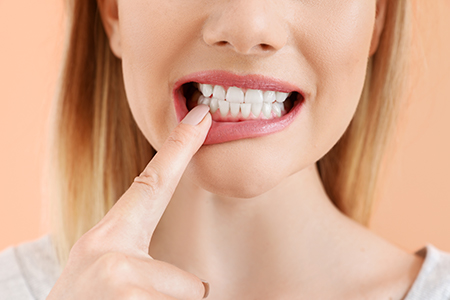
Watch for these common warning signs. If you notice persistent redness, bleeding when brushing or flossing, gum recession, increased tooth sensitivity, new spacing between teeth, or chronic bad breath, it’s wise to schedule an evaluation. Early recognition gives you the best chance of a conservative, effective outcome.
-
Inflamed or tender gums
-
Bleeding during brushing or flossing
-
Gum recession or exposed roots
-
Long-term bad breath or metallic taste
-
Tooth mobility or changes in bite
Recognizing Early Disease: How Gingivitis Differs From More Advanced Problems
Gingivitis is the earliest, and most reversible, form of gum disease. It is characterized by gum inflammation without measurable attachment loss or bone destruction. Typical signs include redness, swelling, and bleeding on provocation. While these symptoms are uncomfortable and concerning, they do not yet reflect permanent damage when treated promptly.
Successful treatment of gingivitis focuses on removing the bacterial buildup that triggers inflammation. That usually involves improving daily brushing and flossing habits, professional scaling to remove plaque and calculus, and targeted instruction to address technique. With dedicated home care and short-term professional support, gingivitis often resolves fully.
Importantly, leaving gingivitis unaddressed can allow the condition to progress. When inflammation persists, pockets between tooth roots and gum tissue may deepen and bacteria can gain access to the supporting bone. At that stage, the condition becomes more difficult to control and requires a different level of intervention.
What Happens When Periodontitis Develops: Risks and Consequences
Periodontitis describes the stage when inflammation has caused measurable loss of the connective tissues and bone that secure teeth. Clinically, this is often detected as increased probing depths around teeth, visible recession, and radiographic bone loss. As supporting tissues deteriorate, teeth can become mobile or shift, and chewing function can be affected.
Beyond the local effects, chronic periodontal inflammation is associated with broader health considerations. Medical research has identified links between periodontal disease and conditions such as diabetes, cardiovascular disease, and respiratory issues. Managing periodontal inflammation is therefore not only important for oral function and appearance, but also for overall well-being.
Treatment at the periodontitis stage aims to halt disease progression, control the bacterial challenge, and restore a healthy environment for the tissues to heal. While complete regeneration of lost bone and connective tissue is not guaranteed in every case, modern procedures and materials can often recover significant structure and improve both stability and aesthetics.
Conservative to Surgical: The Range of Periodontal Care
Every treatment plan begins with a thorough assessment: a review of medical history, comprehensive periodontal charting, digital imaging as needed, and a discussion about symptoms and goals. With that information, care can be tailored to the individual — emphasizing the least invasive, most predictable approach first and reserving surgical options for areas that do not respond to conservative therapy.
Non-surgical therapies are the foundation of periodontal management. Scaling and root planing — thorough cleaning below the gumline — removes the irritating deposits that fuel inflammation, and smoothing root surfaces helps tissue reattach. When appropriate, antimicrobial agents are used as adjuncts to reduce bacterial load and support healing, and close follow-up determines if further steps are needed.
When deeper pockets, persistent inflammation, or significant anatomic problems prevent healing, surgical procedures can provide improved access to thoroughly clean root surfaces, recontour tissues, and preserve supporting bone. Contemporary surgical techniques include flap procedures, guided tissue regeneration, and bone grafting when indicated; in select cases, laser therapies are used to complement conventional approaches.
Common categories of periodontal care
-
Conservative, non-surgical therapies
Early and moderate disease is most often managed without surgery. Routine periodontal scaling and root planing, coupled with improved daily oral hygiene and periodic maintenance visits, can be highly effective. These methods aim to remove the root cause of inflammation and allow tissues to recover while minimizing intervention.
Adjunctive treatments — such as locally delivered antimicrobials or short courses of systemic medication when clinically justified — can enhance outcomes in select situations. The emphasis is always on the most conservative, evidence-based approach that achieves lasting periodontal health.
If conservative care reliably reduces pocket depths and inflammation, a personalized maintenance schedule will be established to preserve improvements and detect any recurrence early.
-
Surgical and regenerative procedures
When deeper pockets or structural damage limit the effectiveness of non-surgical care, surgical options become necessary to clean and reconstruct the affected areas. Pocket reduction surgery and flap approaches allow full visualization and thorough debridement of root surfaces and affected bone.
Regenerative techniques, including bone grafts and membrane-guided regeneration, are used to restore lost support where predictable. In cases of localized tissue excess or cosmetic concern, gum recontouring can improve both function and appearance. Modern microsurgical principles and materials help promote predictable healing.
Maintaining Results: Home Care, Monitoring, and Long-Term Support
Sustaining periodontal health is an ongoing partnership between patient and clinician. Effective daily oral hygiene — consistent brushing with attention to technique, interdental cleaning, and use of recommended tools — is the most important element. Regular professional maintenance appointments allow the dental team to remove any new buildup, monitor pocket depths, and respond promptly to changes.
Certain factors increase the risk of recurrence and need special attention. Tobacco use, uncontrolled diabetes, certain medications, and genetic predisposition can all affect periodontal outcomes. Managing systemic health and adopting healthy habits can significantly improve the long-term success of periodontal therapy.
When complex issues arise, our approach includes collaboration with specialists and the use of advanced diagnostic tools so that care decisions are well informed and aligned with the patient’s overall health goals. The objective is predictable, durable results that preserve function and appearance for years to come.
At Macri Dental, our goal is to help you protect the tissues that support your smile through thoughtful prevention, timely treatment, and personalized maintenance. If you have questions about periodontal care or want to learn more about the options available, please contact us for more information.