Smiling woman with a blonde bob and tan cardigan showing healthy teeth after periodontal treatment

Extractions

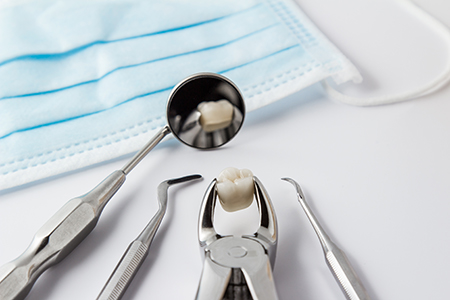
Extraction forceps gripping a molar on a wooden table beside a dental mirror, explorer and surgical face mask

When an Extraction Is the Healthiest Option

At Macri Dental, we believe keeping your natural teeth is the best outcome whenever possible, but there are times when removing a tooth is the most responsible step to protect your long-term oral health. Our approach begins with a careful evaluation — listening to your concerns, reviewing your dental and medical history, and using modern diagnostics to determine whether extraction is the safest, most effective route.

Deciding on an extraction is a clinical judgment made with your overall well-being in mind. Removing a tooth can relieve pain, stop the spread of infection, prevent damage to adjacent teeth, and create space when needed for orthodontic care. We prioritize minimally invasive techniques and discuss alternatives before recommending removal.

Comfort and safety guide every extraction we perform. Our team explains the procedure, anesthesia choices, and what to expect during recovery so patients feel informed and supported at every step. If an extraction is advised, it’s presented as part of a plan that also considers restorative options to preserve function and appearance.

Typical reasons a dentist may advise removing a tooth

  • Delayed or problem baby teeth
    Sometimes a primary (baby) tooth does not fall out on schedule. When a baby tooth becomes firmly fused to the jawbone or otherwise blocks the eruption of its adult successor, removing it can help guide correct development and avoid future crowding or misalignment. We monitor growth patterns and recommend extraction only when it supports proper dental development.

  • Extensive decay beyond repair
    Cavities that penetrate deeply into the tooth and compromise the structural integrity or the nerve may not be salvageable with restorative treatment. In those cases, extraction prevents the progression of infection and protects neighboring teeth and tissues from further damage.

  • Severe fractures or root damage
    Some broken or cracked teeth cannot be reliably restored because the remaining tooth structure is insufficient or the root has been compromised. Extraction may be the safest option to eliminate pain and remove a source of chronic problems, after which we’ll discuss the best replacement strategies.

  • Advanced periodontal disease
    Gum disease that progresses unchecked can destroy the tissues and bone that hold teeth in place. When a tooth has lost too much support, extraction can reduce infection risk, improve comfort, and allow focused treatment of the surrounding gums and bone to preserve other teeth.

  • Impacted or troublesome wisdom teeth
    Third molars frequently lack space to erupt normally and may become impacted, decay-prone, or a source of irritation to adjacent teeth. Extracting problematic wisdom teeth — often during young adulthood — can prevent future infections, shifting, and damage to nearby teeth.

  • Creating space for orthodontic goals
    When the jaw cannot accommodate all permanent teeth, removing one or more teeth may be part of an orthodontic plan to achieve a healthier, more functional bite. Extractions for orthodontics are coordinated closely with your orthodontist to support long-term alignment and stability.

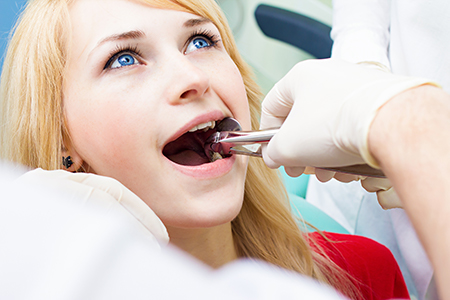
Gloved dentist using forceps to perform a tooth extraction on a blonde woman reclined in the dental chair

How the Procedure Is Carried Out — Step by Step

Before any extraction, we perform a focused clinical exam and obtain the necessary radiographs to understand root shape, position, and proximity to anatomical structures. A clear review of your medical history — including current medications and any bleeding or healing concerns — helps us tailor a safe plan and determine whether additional precautions or medical clearances are needed.

For most patients, local anesthesia is sufficient to provide complete numbness in the treatment area. We also offer options for those who experience anxiety or require deeper relaxation, such as nitrous oxide or dental sedation, and will discuss these choices with you beforehand so you can make an informed decision.

Extractions fall into two broad categories. A simple extraction is performed when the tooth is visible and can be removed using elevators and forceps after adequate anesthesia. A surgical extraction is required when a tooth is broken off at the gum line, impacted, or when root anatomy is complicated; this may involve a small incision and the selective removal of bone to access and remove the tooth safely. When a surgical approach is recommended, we will explain the details and, if needed, coordinate care with an oral surgeon.

Throughout the procedure we focus on gentle technique and infection control. After removal, we place gauze to encourage clot formation and provide detailed aftercare instructions to support uncomplicated healing and reduce the chance of post-operative issues.

How to Prepare for an Extraction Appointment

Preparing properly helps the appointment go smoothly and supports predictable recovery. Please bring an up-to-date list of medications and any relevant medical records or physician contact information. Certain health conditions or medications — for example, blood thinners or immune-suppressing drugs — may require us to consult with your physician prior to treatment.

If you are scheduled for sedation, follow fasting instructions we provide and arrange for a responsible adult to accompany you and drive you home. For routine local anesthesia only, you may generally eat and take prescribed medications as directed, but we will give specific guidance based on the selected anesthetic and your individual health needs.

Arrange a comfortable recovery space at home with soft foods, over-the-counter pain relievers (as recommended), and ice packs. Avoid strenuous activity immediately after the procedure, and plan to rest for the day so your body can begin the healing process without added stress.

Practical Aftercare: What Promotes Smooth Healing

Following the extraction, the body's priority is forming a stable blood clot over the socket. Careful attention to immediate post-op steps reduces complications and speeds recovery. We provide written instructions and review them with you before you leave so you know how to care for the area, when to take medications, and which symptoms warrant a prompt call to the office.

Essential post-operative steps to follow

  1. Maintain gentle pressure
    You will be given gauze to bite on immediately after the extraction to control bleeding. Hold firm, steady pressure for the amount of time we recommend and replace the gauze as directed. Some light oozing is common for the first 24 hours, but ongoing heavy bleeding should be reported to our office.

  2. Protect numb tissues
    While anesthesia is active, avoid chewing, touching, or accidentally biting your lips, cheeks, or tongue. These areas can be easily injured until sensation returns.

  3. Take medications as directed

    • Antibiotics:
      If prescribed, complete the course to reduce infection risk. Follow dosing instructions carefully.

    • Pain control:
      Begin taking a recommended pain reliever before the anesthetic fully wears off to stay ahead of discomfort. Use prescription medications only as prescribed, and combine with over-the-counter options when appropriate.

  4. Avoid disturbing the clot
    Do not rinse vigorously, spit, or use a straw for the first 24–48 hours, as suction can dislodge the clot. Gentle saltwater rinses are usually advised after the initial period to keep the area clean.

  5. Manage swelling
    Applying an ice pack to the cheek intermittently during the first 24 hours helps minimize swelling. Switch to warm compresses after the first day if instructed, and keep your head elevated while resting.

  6. Avoid tobacco
    Smoking or vaping can interfere with clot formation and delay healing. Avoid tobacco products for at least a week after the extraction to reduce the risk of complications.

  7. Diet and hydration
    Stick to cool or lukewarm soft foods and fluids for the first few days. Avoid hot, spicy, or carbonated beverages until you are comfortably healing.

  8. Oral hygiene
    Continue gentle brushing of the non-affected areas and follow instructions for cleaning near the extraction site. Rinse carefully when advised, and avoid scrubbing the socket itself.

  9. Follow-up care
    If sutures were placed or if we want to monitor healing, we will schedule a follow-up visit. Keep this appointment so we can confirm recovery is progressing as expected.

If you notice persistent bleeding, increasing pain, excessive swelling, or any unexpected symptoms, contact our office for guidance so we can evaluate your recovery and intervene if necessary.

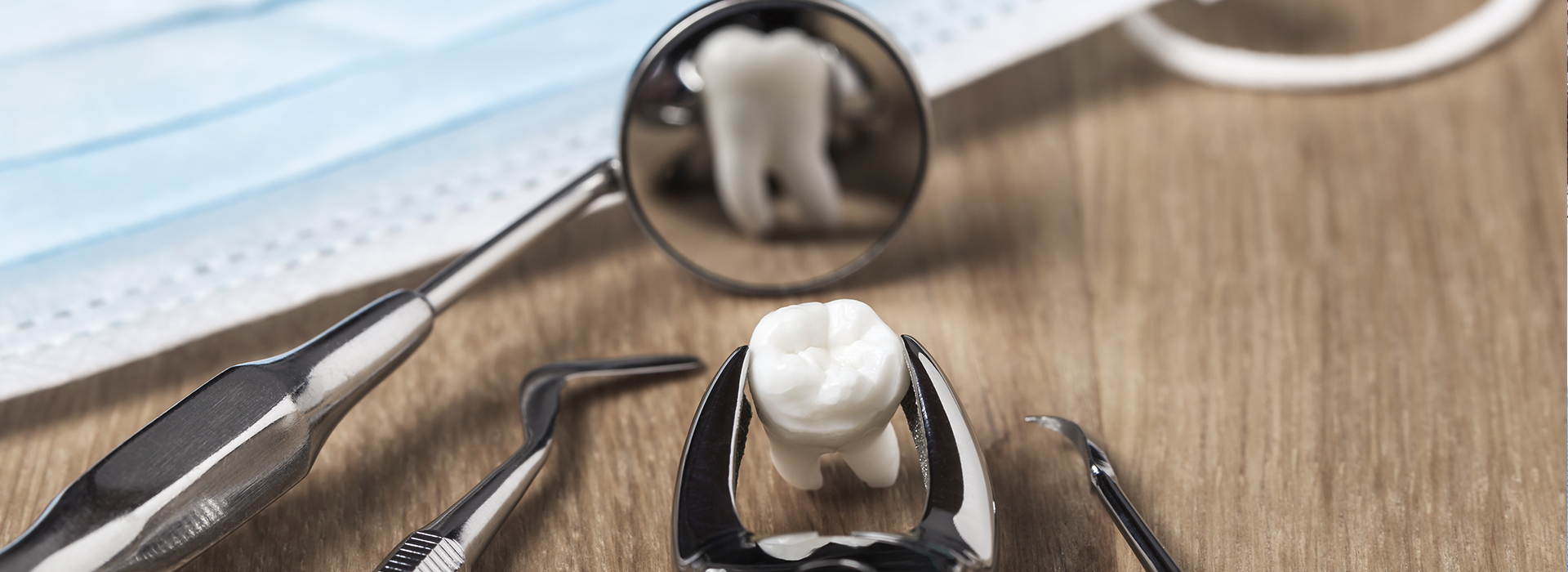
Extraction forceps holding a removed tooth beside a mouth mirror and dental tools next to a blue surgical mask

Replacing Teeth and Planning for the Future

Removing a tooth often leads to questions about how to restore chewing function and appearance. After an extraction, we discuss options that suit your goals and oral health needs. Choices commonly include removable prosthetics, fixed bridges, and dental implants — each with different benefits depending on the clinical situation.

Dental implants are a modern solution that can closely replicate the feel and function of a natural tooth when the jawbone and overall health permit. Where implants are not appropriate, bridges or dentures provide reliable alternatives to restore chewing efficiency and support a healthy bite. We tailor recommendations to your anatomy and long-term plan so restorations integrate with any future care you may need.

Choosing where to receive this care matters. Our team combines experience in surgical and restorative dentistry with advanced imaging and careful treatment planning to deliver predictable results. We prioritize patient education and collaborate with patients on a step-by-step plan that balances short-term comfort with durable, long-term outcomes.

If you have questions about extractions, recovery, or replacement options, please contact our office for more information. Our team is here to help you understand your choices and move forward with confidence.
Frequently Asked Questions

When is an extraction the healthiest option?

+

At Macri Dental we prioritize saving natural teeth whenever it is safe and feasible, but extraction is sometimes the most responsible clinical choice. A tooth may need removal to relieve acute pain, stop the spread of infection, prevent damage to adjacent teeth, or to allow correct orthodontic development. The decision to extract follows a careful evaluation of your medical history, clinical exam, and diagnostic imaging so the plan protects your long-term oral health.

Before recommending removal, the team will discuss alternatives such as restorative treatment, endodontic therapy, or periodontal procedures when those options are viable. When extraction is advised, we present it as part of a broader treatment strategy that includes comfort measures, healing expectations, and replacement options. This approach helps patients make informed decisions about their care and the next steps for restoring function and appearance.

What types of tooth extractions are performed and how do they differ?

+

Extractions are generally categorized as simple or surgical based on how the tooth presents and its root anatomy. A simple extraction is performed on a tooth that is visible in the mouth and can usually be removed with elevators and forceps after adequate local anesthesia. A surgical extraction is required when a tooth is broken at the gum line, impacted, or has complex roots; this may involve a small incision and selective removal of bone to access the tooth safely.

The choice of technique is determined by preoperative imaging and clinical assessment to minimize trauma and protect surrounding structures. Surgical cases are planned carefully to limit postoperative discomfort and promote predictable healing. If specialized surgical care is needed, the office will coordinate with an oral surgeon to ensure appropriate management.

How should I prepare for an extraction appointment?

+

Bring an up-to-date list of medications and relevant medical records so the team can evaluate bleeding risks, healing concerns, and any drug interactions. Certain medications or medical conditions may require consultation with your physician before treatment, so share this information early. If you will receive sedation, follow fasting instructions closely and arrange for a responsible adult to accompany you and drive you home.

For routine procedures with local anesthesia, the office will provide specific guidance about eating and taking regular medications before your visit. It is also helpful to prepare a comfortable recovery area at home with soft foods, ice packs, and any recommended over-the-counter pain relievers. Having a plan to rest for the day supports smoother initial healing and reduces the chance of complications.

What anesthesia and sedation options are available for extractions?

+

Local anesthesia is the standard approach for most extractions and provides complete numbness in the treatment area to prevent pain during the procedure. For patients who experience anxiety or require deeper relaxation, options such as nitrous oxide (laughing gas) or dental sedation are available and can be discussed during treatment planning. The team will review your medical history and comfort needs to recommend the safest and most appropriate anesthetic choice.

When sedation is selected, the office provides clear preoperative instructions and monitors you throughout the appointment to maintain safety and comfort. Recovery instructions vary by the type of sedation, so arranging for a companion to drive you home is essential for deeper forms of anesthesia. Your ability to eat, take medications, and return to normal activities will be guided by the chosen sedation method and your individual response.

What should I expect on the day of the extraction?

+

On the day of the procedure you will undergo a focused clinical exam and any necessary radiographs to confirm the treatment plan and anticipate root anatomy or proximity to anatomic structures. The clinical team will review your medical history, explain the steps of the procedure, and answer your questions before beginning. After administering anesthesia or sedation, the dentist will perform the extraction using gentle technique and appropriate instruments to remove the tooth safely.

Following removal, gauze is placed to encourage clot formation and the clinician will review aftercare instructions before you leave. Most straightforward extractions are completed quickly, while surgical cases may take longer depending on complexity. The office will provide guidance on pain control, activity restrictions, and signs to watch for during recovery.

How should I care for the extraction site to promote smooth healing?

+

The body’s priority after extraction is forming a stable blood clot over the socket, so you should avoid rinsing vigorously, spitting, or using a straw for the first 24–48 hours to prevent dislodging the clot. Bite firmly on the provided gauze for the recommended time to control bleeding, and replace it as directed if bleeding persists. Use ice packs intermittently during the first 24 hours to limit swelling, and switch to warm compresses only if instructed by your clinician.

Take prescribed medications and over-the-counter pain relievers as recommended to stay ahead of discomfort and reduce inflammation. Maintain gentle oral hygiene by brushing nonaffected areas and performing saltwater rinses after the first day when advised to keep the site clean. Avoid tobacco use for at least a week, as smoking or vaping can interfere with clot formation and delay healing.

What are common complications after an extraction and when should I call the office?

+

Most extractions heal without issue, but potential complications include persistent bleeding, infection, dry socket (loss of the clot), worsening pain, or unusual numbness. Dry socket typically presents as increasing, throbbing pain a few days after extraction and may require in-office treatment to manage symptoms and promote healing. Signs of infection include fever, increasing swelling, pus, or a bad taste or odor that does not improve with home care.

If you experience ongoing heavy bleeding, severe or worsening pain, fever, numbness that does not improve, or any sudden concerns, contact the office promptly so the team can assess and intervene. Early evaluation helps resolve problems quickly and reduces the risk of more serious outcomes. For urgent symptoms outside office hours, follow the practice’s emergency guidance to access timely care.

How long does healing take and when can I return to normal activities?

+

Initial healing of the soft tissues usually occurs within one to two weeks, while the underlying bone remodels more gradually over several months. Most patients see a marked reduction in pain and swelling within 48–72 hours and can resume light activity within a day or two, but strenuous exercise should be avoided for at least a few days to reduce bleeding and swelling. The pace of recovery depends on the complexity of the extraction, your overall health, and whether you follow aftercare instructions.

Your dentist will schedule any recommended follow-up visits to verify healing and remove sutures if needed. If you plan to proceed with a replacement such as an implant, bridge, or denture, the clinician will discuss appropriate timing based on bone healing and the chosen restorative plan. Maintaining good oral hygiene and attending follow-up appointments supports predictable, long-term outcomes.

What tooth replacement options are available after extraction?

+

There are several reliable ways to replace a missing tooth, including dental implants, fixed bridges, and removable prosthetics, each with distinct advantages depending on your anatomy and goals. Dental implants provide a stable, long-term solution that closely replicates the function and appearance of a natural tooth when bone volume and health permit. Fixed bridges and well-designed dentures remain excellent alternatives when implants are not feasible due to anatomic or medical considerations.

Planning for replacement often begins at the time of extraction so imaging, bone preservation, and timing can be coordinated to optimize future results. The practice combines surgical and restorative expertise to create a comprehensive plan tailored to your needs and to determine whether adjunctive treatments such as bone grafting are necessary. Discussing replacement options before and after extraction helps ensure a seamless transition to a functional, aesthetic restoration.

Are extractions for children or wisdom teeth handled differently?

+

Pediatric extractions consider growth, development, and the timing of permanent tooth eruption, so treatment aims to preserve proper alignment and jaw development whenever possible. When a primary tooth impedes eruption or is ankylosed, removal can guide normal eruption and prevent future orthodontic issues. For children, the team evaluates behavior management and may use nitrous oxide or other sedation methods appropriate for age and safety.

Wisdom teeth are commonly monitored for signs of impaction, recurrent infection, or damage to neighboring teeth, and removal is often recommended when they pose a future risk. Extraction of third molars may require surgical technique and careful planning, particularly when roots are near nerves or sinuses. Coordination with an oral surgeon is arranged when risk factors or surgical complexity indicate specialist care is the safest option.

Contact Us

Exceptional Dentistry, Centered Around You

Discover a dental experience built around your comfort, needs, and goals. Our team is here to answer your questions, help you explore your treatment options, and make scheduling your visit simple and convenient. Contact our office today and take the next step toward personalized, high-quality dental care for you and your family.

Office Hours

Monday
9:00 am - 5:00 pm
Tuesday
7:00 am - 4:00 pm
Wednesday
7:00 am - 3:00 pm
Thursday
7:00 am - 2:00 pm