Rebuilding Smiles with Predictable Implant Solutions
Missing teeth change more than your smile — they alter how you eat, speak, and feel about your appearance. Modern dental implants are designed to restore those functions in a way that looks natural and performs reliably for years. Rather than masking the problem, implants address the underlying support structure of the tooth so that the replacement behaves much like a real tooth rooted in the jaw.
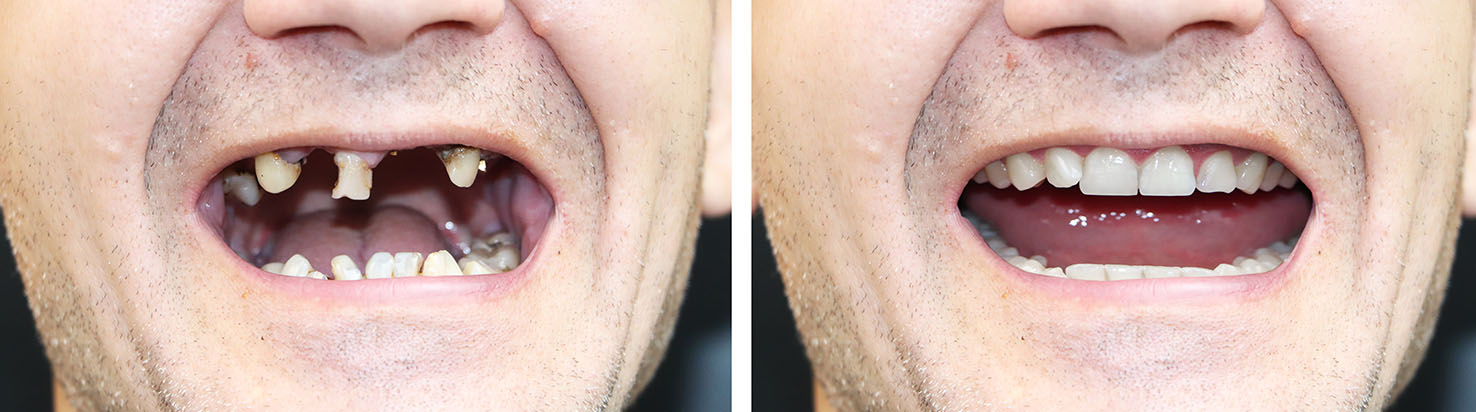
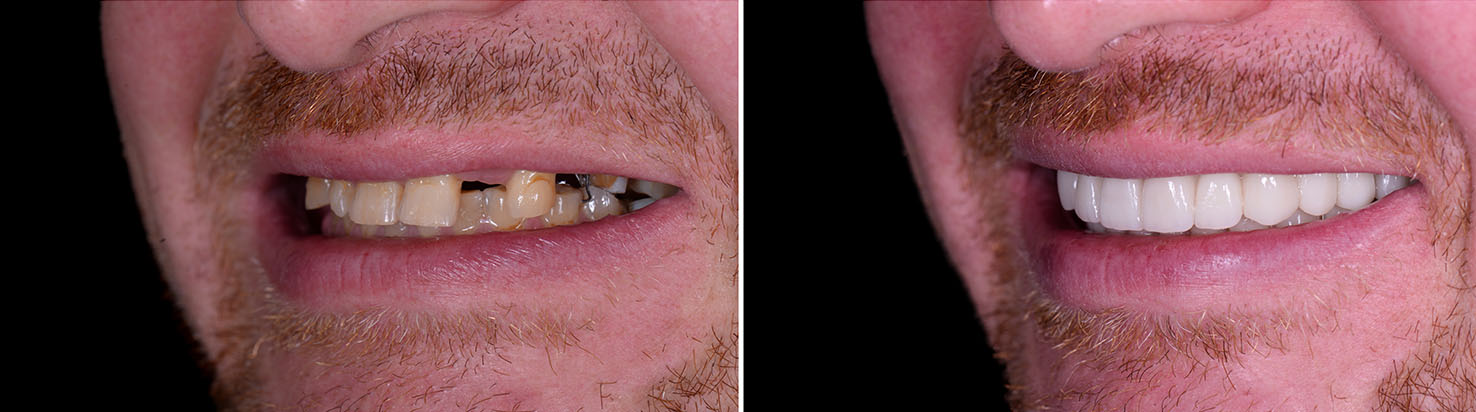
Implant therapy is a versatile option whether you are missing a single tooth, several teeth, or an entire arch. Our approach emphasizes individualized treatment planning so each restoration suits the patient’s oral health, facial proportions, and lifestyle. The goal is a finished result that is comfortable, stable, and visually seamless with the rest of the dentition.
At Macri Dental, we combine clinical experience with contemporary techniques to deliver implant care entirely in-house when appropriate. That continuity — from initial assessment through surgical placement and final restoration — helps ensure consistent communication, predictable outcomes, and a more comfortable patient experience.
A modern standard for replacing missing teeth
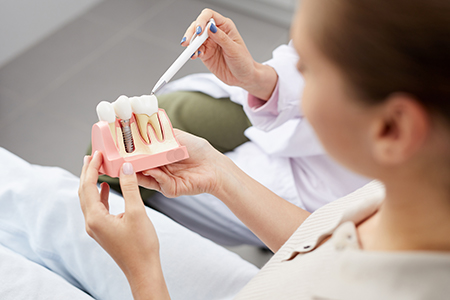
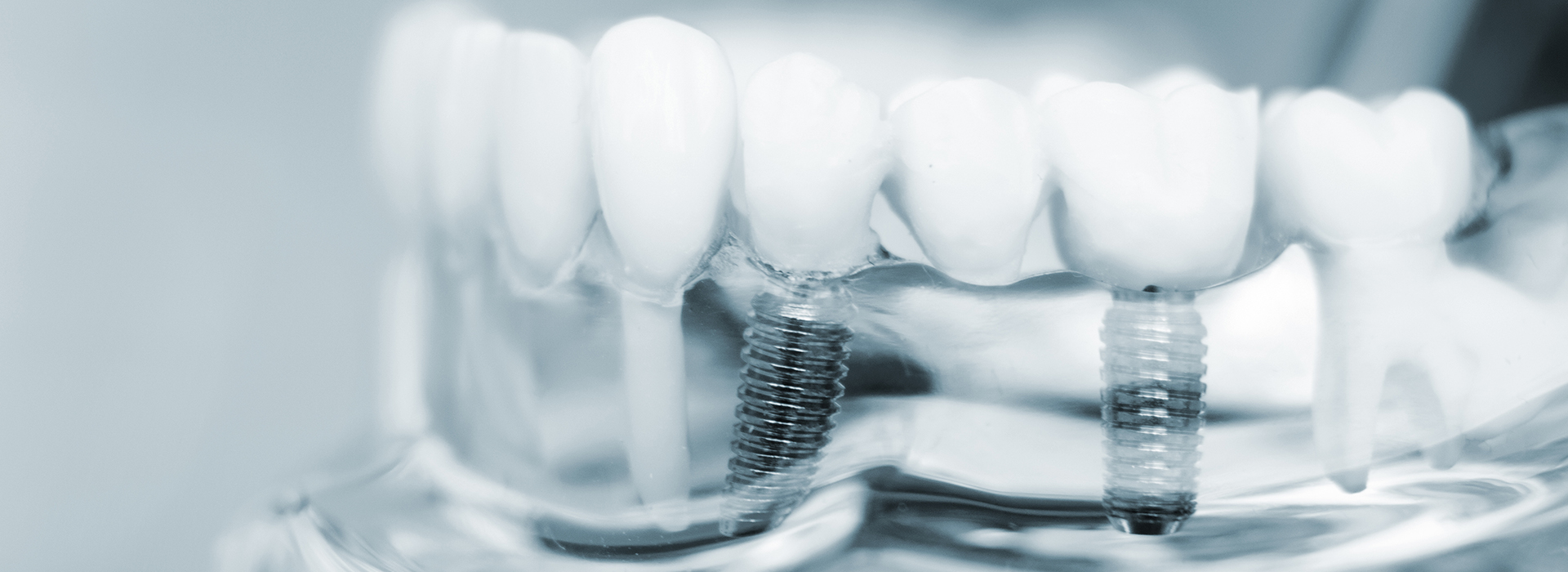
Dental implants are titanium or titanium-alloy posts that act like artificial tooth roots. Placed into the jawbone, they integrate with the bone in a process called osseointegration to provide a strong, long-term foundation for crowns, bridges, and overdentures. Because implants restore support at the root level, they help preserve bone and maintain natural facial contours in ways that removable options cannot.
Compared with conventional alternatives, implants typically allow for more efficient chewing, clearer speech, and a greater sense of normalcy. They also remove the need to alter adjacent healthy teeth in many cases, which preserves enamel and overall tooth structure for the long term.
Understanding How Implants Work and What to Expect
The treatment timeline in plain terms
Implant treatment usually follows several predictable stages: an initial consultation, diagnostic imaging and planning, implant placement, a healing period for osseointegration, and final restoration. The timeline varies by case — some patients are candidates for immediate provisional teeth, while others benefit from a staged approach to allow for optimal healing and long-term stability.
During your consultation we’ll review your medical and dental history, evaluate bone volume and gum health, and explain the options that best match your goals. This is also the time to discuss anesthesia and sedation options so you know what to expect on the day of surgery.
Most implant placements are performed as outpatient procedures with careful attention to comfort and infection control. After the implant is placed, the surrounding bone gradually fuses to the post; once integration is complete, a custom crown, bridge, or denture is attached to restore form and function.
What healing and follow-up look like
Healing after implant surgery is a combination of biological repair and mechanical protection. We provide clear post-operative instructions to promote predictable healing, including advice on diet, oral hygiene, and activity restrictions during the initial recovery phase. Follow-up appointments monitor integration and ensure soft tissues heal evenly around the implant.
When the implant has fully integrated, impressions or digital scans are taken to design the final restoration. These restorations are crafted to blend with your bite, shape, and tooth color so the new tooth or teeth feel like a natural part of your smile.
Choosing the Right Restoration: From Single Crowns to Full-Arch Solutions
Single-tooth replacements that preserve surrounding teeth
When just one tooth is missing, a single implant topped with a porcelain crown is often the most conservative and durable option. It restores chewing force, prevents neighboring teeth from shifting, and avoids the need to modify adjacent healthy teeth, which is required for a traditional three-unit bridge.
Single-implant crowns are custom-shaped and color-matched to your existing teeth, producing a discreet and long-lasting result. With proper home care and regular dental visits, these restorations can function for many years.
Bridges, overdentures, and fixed full-arch restorations
Implants can also support multi-tooth restorations. Implant-supported bridges replace several adjacent teeth without anchoring to natural teeth, while implant-retained dentures use attachments to secure a removable prosthesis for better retention and comfort. For patients missing an entire arch, fixed solutions supported by four to six implants can recreate a fully functioning set of teeth that stays in place without adhesives.
Each option offers different benefits in terms of hygiene access, stability, and maintenance. During planning we’ll review the pros and cons of each approach so you can select the solution that best aligns with your priorities for appearance, function, and daily care.
Technology, Planning, and a Comfortable Surgical Experience
Digital planning for precise outcomes
Predictability in implant dentistry relies heavily on thoughtful planning. Digital imaging and implant planning software allow us to evaluate bone anatomy, identify critical structures, and design the ideal implant position before any surgery begins. This virtual planning reduces surprises and often shortens chair time on the day of placement.
When appropriate, guided surgical techniques translate the digital plan to the patient with high accuracy. The result is more precise implant placement, gentler surgical procedures, and restorations that fit better from the outset.
Comfort-focused care and anesthesia options
Patient comfort is a priority during every phase of implant treatment. Depending on your preferences and the complexity of the case, we offer local anesthesia and, when indicated, monitored sedation to keep you relaxed during the procedure. Our team takes steps to minimize discomfort and to ensure a calm, dignified experience from start to finish.
Clear pre- and post-operative instructions, attentive pain management, and timely follow-up are all part of how we help patients move through the surgical phase with confidence and ease.
Long-Term Success: Maintenance, Bone Health, and Candidacy
Protecting your investment with routine care
Long-term success with implants depends on both biological factors and ongoing maintenance. Good daily oral hygiene, routine professional cleanings, and periodic examinations allow us to detect and address early signs of problems such as inflammation or mechanical wear. With sensible care, implant restorations can remain stable and functional for many years.
We emphasize prevention and education so patients understand how to clean around implants and inspect for changes. When issues arise, early intervention makes them easier to treat and often preserves the longevity of the implant.
Bone grafting, sinus lifts, and assessing candidacy
Successful implant placement requires adequate bone to support the post. In cases where bone has been lost due to extraction, periodontal disease, or long-term tooth loss, bone grafting procedures can rebuild the necessary foundation. These grafts, when indicated, are a routine part of modern implant dentistry and significantly expand candidacy for implant therapy.
Deciding whether implants are right for you involves a comprehensive evaluation of medical history, gum health, bone volume, and personal expectations. We tailor recommendations so each patient has a clear understanding of what to expect and how to proceed safely toward a predictable result.
Every implant journey is different, and careful planning combined with regular follow-up yields the best outcomes. If you’re exploring tooth replacement options and want reliable information about implants, contact our office for more details and to schedule a consultation. Our team is happy to answer your questions and help you determine the best path forward for a healthy, confident smile.
Dental implants are small posts made of titanium or a titanium alloy that act as artificial tooth roots when placed into the jawbone. Once implanted, the surrounding bone slowly fuses to the post through a process called osseointegration, creating a stable foundation for a crown, bridge, or denture. Because implants restore support at the root level, they help preserve bone and facial contours in ways that removable options cannot.
Implant restorations are designed to mimic the form and function of natural teeth, including chewing efficiency and speech clarity. Restorations are custom-crafted to match the shape and color of adjacent teeth, producing a discreet, long-term result. Proper planning and maintenance are essential to maximize the functional and esthetic benefits of implant therapy.
Who is a good candidate for dental implants?
+
Good candidates generally have adequate bone volume, healthy gums, and a willingness to follow postoperative care and routine maintenance. At Macri Dental we evaluate medical history, oral health, gum condition, and bone anatomy to determine candidacy, and we discuss options that best align with a patient's goals and overall health. Advanced age alone is not a disqualifier; the critical factors are tissue health and the body's ability to heal.
Certain systemic conditions, tobacco use, or uncontrolled periodontal disease can affect healing and integration, so these factors are reviewed during the consultation. When issues are identified, we outline treatments such as periodontal therapy or bone augmentation that can improve candidacy. The decision to proceed is individualized and takes both clinical findings and patient preferences into account.
What should I expect during the implant treatment timeline?
+
Treatment typically begins with an initial consultation and diagnostic imaging to evaluate bone anatomy and plan implant position. The surgical placement of the implant is usually performed as an outpatient procedure with attention to comfort and infection control, followed by a healing period that allows the implant to integrate with the bone. The length of the healing phase varies by case; some patients receive provisional teeth immediately while others follow a staged approach for optimal stability.
Once integration is confirmed, impressions or digital scans are taken to design the final restoration, which is then attached to the implant. Throughout the process you will have scheduled follow-up visits to monitor healing and soft tissue outcomes. Clear pre- and post-operative instructions help patients manage recovery and support predictable results.
What options exist when there is not enough bone for implant placement?
+
When bone volume is insufficient to support an implant, bone grafting procedures can rebuild the necessary foundation and expand candidacy for implant therapy. Techniques range from localized grafts at the implant site to sinus lifts for the upper jaw, and graft materials may be autogenous, allograft, xenograft, or synthetic depending on the clinical situation. These procedures are common in modern implant dentistry and are planned to integrate smoothly with the overall treatment timeline.
Healing time after grafting varies according to the extent of augmentation and the material used, and successful grafting restores support for predictable implant placement. Your provider will explain the expected timeline and monitoring steps so you understand how grafting affects the overall plan. Careful planning and follow-up care help ensure the graft matures and provides a stable base for the implant.
What types of implant restorations are available?
+
Implants can support single-tooth crowns, implant-supported bridges for multiple adjacent teeth, implant-retained removable overdentures, and fixed full-arch restorations that replace an entire dental arch. Single-implant crowns are a conservative option that avoids altering neighboring healthy teeth, while implant-supported bridges and full-arch prostheses restore larger areas of tooth loss with improved stability and function. Each restoration type has specific hygiene and maintenance considerations, which we review during planning.
The choice of restoration depends on factors such as the number and location of missing teeth, bone availability, hygiene access, and patient preferences for removable versus fixed solutions. Your treatment plan will highlight the maintenance needs and long-term expectations for the chosen restoration. Careful communication about daily care and professional follow-up supports lasting outcomes for any implant-supported prosthesis.
How does digital planning and guided surgery improve implant outcomes?
+
Digital imaging and implant planning software allow clinicians to evaluate bone anatomy, identify critical structures, and determine the ideal implant position before any surgery begins. Guided surgical techniques translate that virtual plan to the patient with high accuracy, improving placement precision and often shortening chair time on the day of surgery. These technologies reduce surprises and help produce restorations that fit better from the outset.
Digital workflows also facilitate communication between the surgical and restorative phases, enabling more predictable esthetic and functional results. When combined with experienced clinical judgment, planning technologies enhance safety and efficiency without replacing individualized care. This approach supports consistent outcomes and a smoother patient experience during implant treatment.
What anesthesia and comfort measures are offered during implant surgery?
+
Patient comfort is a priority during every phase of implant treatment, and options are tailored to the case complexity and patient preferences. Local anesthesia is routinely used to numb the surgical area, and monitored sedation is available when appropriate to keep patients relaxed and comfortable during longer or more involved procedures. The clinical team also follows strict infection-control and pain-management protocols to minimize discomfort.
Before surgery we review anesthesia options, medical history, and postoperative pain-control strategies so patients know what to expect. Clear instructions about eating, medications, and activity help reduce anxiety and promote a smoother recovery. Attentive follow-up and access to the team for questions further support patient comfort after surgery.
How should I care for my implants after placement?
+
Postoperative care focuses on protecting the surgical site while supporting healing through gentle oral hygiene and short-term dietary modifications. Patients are advised to follow specific instructions regarding brushing, rinsing, and avoiding certain foods during the initial recovery phase, and to attend scheduled follow-up visits so the team can monitor integration and soft-tissue healing. Good home care helps prevent inflammation and supports long-term stability of the implant restoration.
After the healing period, routine maintenance includes daily brushing and flossing around the restoration and regular professional cleanings and exams. The practice will demonstrate techniques and tools that work well around implants, and periodic evaluations allow early detection of issues such as peri-implant inflammation or mechanical wear. Consistent preventive care is a key factor in sustaining implant function over time.
What are the common risks and potential complications of implant dentistry?
+
As with any surgical procedure, implant placement carries risks such as infection, bleeding, swelling, and temporary or, rarely, long-term nerve irritation depending on anatomical factors. Failure of osseointegration is uncommon but possible, and complications can also arise from inadequate maintenance or uncontrolled gum disease. Thorough preoperative assessment and careful surgical technique reduce the likelihood of complications.
When issues do occur, early recognition and timely intervention often make them easier to treat and can preserve the implant or surrounding structures. Patients are instructed on warning signs to watch for and encouraged to attend follow-up appointments so the clinical team can address concerns promptly. Risk reduction combines proper case selection, meticulous planning, and ongoing maintenance.
How long can I expect my implants to last and what influences their longevity?
+
Dental implants are designed to be a long-term tooth replacement option, and with good oral hygiene and regular professional care they can remain functional for many years. Longevity depends on factors such as the health of surrounding tissues, the quality and quantity of bone, the precision of surgical placement, and the patient's commitment to maintenance. Avoiding tobacco and controlling periodontal disease are important contributors to long-term success.
Routine exams and professional cleanings allow the dental team to monitor for early signs of soft-tissue inflammation, prosthetic wear, or mechanical complications and to intervene when needed. A comprehensive maintenance plan and clear communication about daily care help protect your investment and support predictable outcomes over time. If you have specific questions about your situation, our team is available to discuss expectations and a personalized plan.
Contact Us
Exceptional Dentistry, Centered Around You
Discover a dental experience built around your comfort, needs, and goals. Our team is here to answer your questions, help you explore your treatment options, and make scheduling your visit simple and convenient. Contact our office today and take the next step toward personalized, high-quality dental care for you and your family.