Understanding Gum Recontouring and Its Purpose
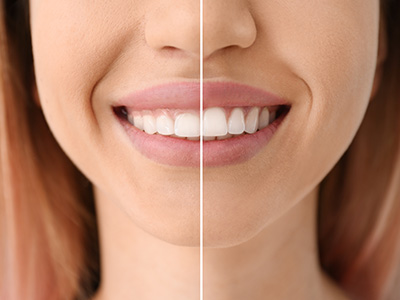
Gum recontouring is a targeted dental procedure that reshapes the gum line to create more balanced proportions between soft tissue and teeth. For many patients, small adjustments to the gums can dramatically change the way a smile looks and feels. While some people pursue recontouring primarily for cosmetic reasons, the procedure also plays an important role in improving oral health and facilitating restorative dentistry when necessary.
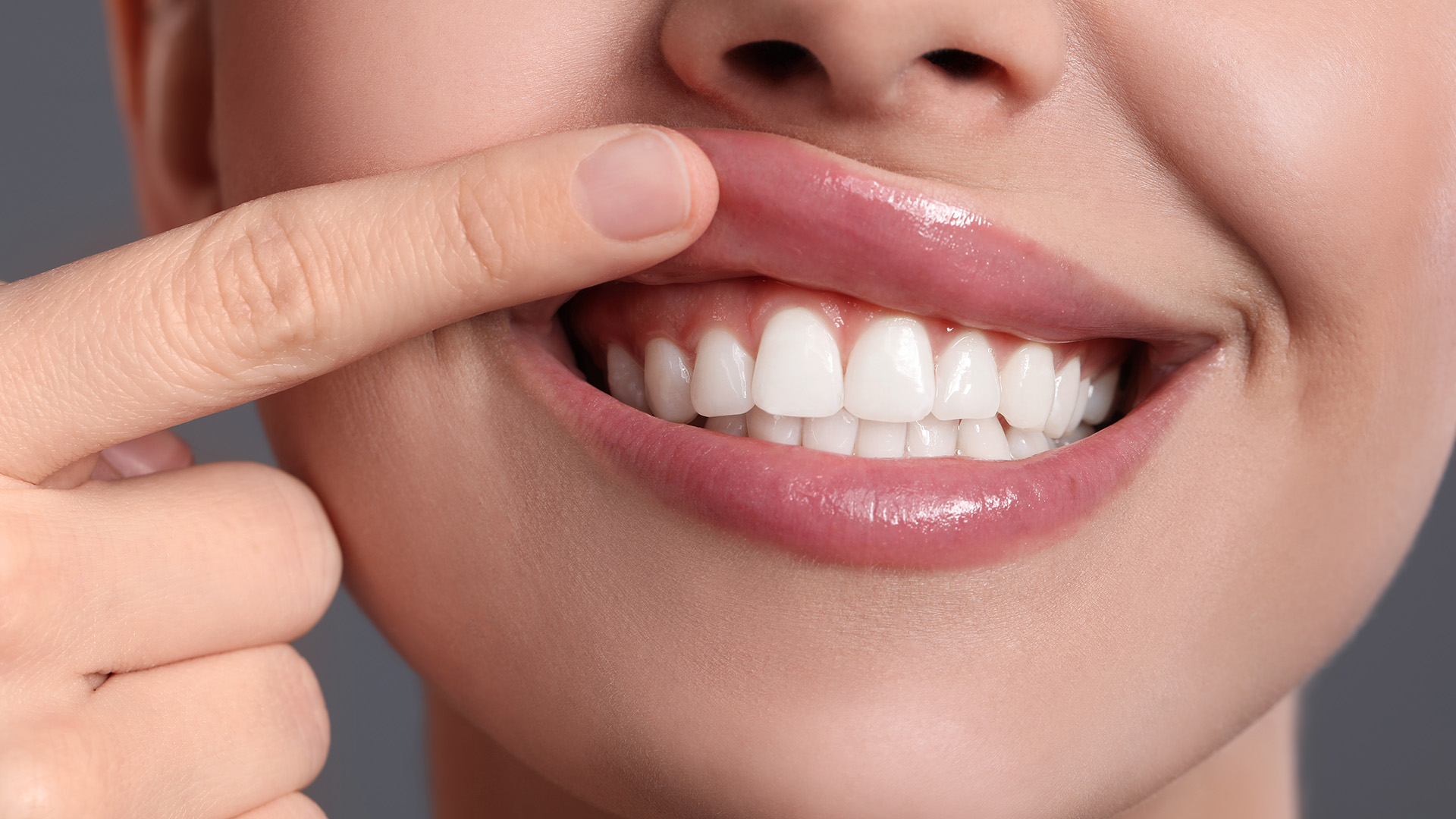
At its core, gum recontouring addresses excess, uneven, or irregular gum tissue that can obscure tooth structure or make teeth appear short. The goal is to expose the right amount of tooth to produce a natural, symmetrical smile while maintaining healthy tissue margins. When performed thoughtfully, recontouring enhances both aesthetics and function without altering the underlying tooth structure.
Because this procedure interacts directly with periodontal tissues, careful planning and precise technique are essential. A thorough oral exam and appropriate imaging form the basis of a predictable outcome, helping patients understand what to expect and how changes to the gum line will influence their overall smile design.
Who Is a Good Candidate for Gum Reshaping
Gum recontouring is appropriate for adults with stable periodontal health who are seeking to improve the appearance or function of their smile. Candidates often include individuals with a “gummy” smile where excessive gum tissue hides tooth length, as well as patients whose gum lines are uneven or asymmetrical. In some cases, recontouring is part of a larger restorative plan to make crowns, veneers, or implants look natural within the smile.
Before recommending treatment, the dental team evaluates gum health, bone levels, and the position of teeth. Active gum disease, uncontrolled systemic conditions, or thin, fragile tissue may require preliminary care or alternative approaches. Treatment decisions are personalized to each patient’s anatomy, aesthetic goals, and long-term oral health.
Patients who smoke or have certain medical conditions may need tailored guidance to reduce risks and support healing. The safest and most satisfying results emerge when recontouring is integrated into a comprehensive plan overseen by a clinician experienced in periodontal and cosmetic considerations.
How the Procedure Works: Steps and Comfort Measures
Gum recontouring typically begins with a consultation and a detailed smile analysis. During this visit, photographs and intraoral imaging help the clinician map the ideal gum contour in relation to tooth shape, lip position, and facial features. This planning stage ensures that the final proportions look natural and complement each patient’s individual smile.
On the day of treatment, local anesthesia is used to minimize discomfort. For patients who prefer additional relaxation, the practice can discuss sedation options to help make the experience calm and stress-free. Once the area is numb, the clinician removes or sculpts excess tissue using instruments suited to the chosen technique, working carefully to create smooth, finished margins.
When the recontouring is complete, the team provides clear aftercare instructions to support healing. Most patients experience minimal soreness that is controlled with over-the-counter pain relief and proper oral hygiene. Follow-up visits ensure tissue has healed properly and that the result meets the intended aesthetic and functional goals.
Modern Techniques and Technology We Use
Contemporary gum recontouring relies on precise tools and technologies that improve safety and outcomes. Laser dentistry is commonly used for soft-tissue sculpting because it allows for targeted removal of gum tissue with reduced bleeding, less post-operative swelling, and typically faster healing compared with traditional methods. For cases that require more extensive adjustment near bone, conservative surgical techniques may be recommended.
Digital imaging and intraoral photography play an important role in planning and communication. These tools let patients visualize proposed changes and allow the dentist to design a contour that harmonizes with tooth shape and facial features. When recontouring is part of restorative work—such as crown lengthening before a crown or veneer—the team also coordinates with laboratory and digital workflows to ensure a seamless final result.
Clinicians monitor tissue thickness and attachment levels to preserve periodontal health. The emphasis is always on conservative, tissue-sparing techniques that prioritize long-term stability while achieving the desired cosmetic improvements.
Recovery, Expected Results, and Long-Term Care
Recovery after gum recontouring is usually straightforward. Initial healing of soft tissue typically occurs within one to two weeks, with subtle maturation of the gum contour continuing for several weeks after that. Patients are advised to follow a gentle oral hygiene routine, avoid irritating foods while the tissue is tender, and attend any scheduled follow-up appointments so the clinician can evaluate healing progress.
Results are often visible immediately, with improved tooth proportions and a more balanced smile apparent once swelling subsides. For lasting outcomes, maintaining excellent oral hygiene and regular periodontal checkups are essential. Good home care and routine professional cleanings help preserve the contour and health of the gums over time.
If recontouring was performed in conjunction with restorative or cosmetic treatments, the practice coordinates timing and sequencing so that each phase supports the final aesthetic and functional objectives. Proper planning and maintenance ensure that the benefits of gum reshaping endure as part of a healthy, confident smile.
Personalized Planning and What Sets Our Approach Apart
Every smile is unique, and successful gum recontouring begins with personalized planning. The practice emphasizes thoughtful analysis of facial proportions, tooth shape, and lip dynamics to create a result that looks natural and flattering. Treatment recommendations balance cosmetic wishes with periodontal health to achieve outcomes patients can enjoy for years.
Our team takes time to explain options, demonstrate likely results using imaging, and answer questions so patients feel confident about their care. Whether the priority is a subtle refinement or a more noticeable reshaping, the approach is conservative and guided by long-term stability rather than short-term appearance alone.
Macri Dental brings a combination of modern technology, clinical experience, and a patient-centered philosophy to every case. That commitment helps ensure recontouring procedures are comfortable, predictable, and aligned with each individual’s goals.
In summary, gum recontouring is a precise, effective way to improve smile balance and support restorative work when needed. If you’re curious whether reshaping your gum line could enhance your smile or improve the fit of dental restorations, please contact us to learn more and schedule a consultation. Our team is happy to discuss your options and help you decide on the best path forward for your oral health and smile goals.