Smiling woman with a blonde bob and tan cardigan showing healthy teeth after periodontal treatment

Crown Lengthening

Smiling woman reclined in a dental chair as gloved hands hold a mirror and probe, illustrating crown lengthening care

Why crown lengthening matters for a balanced smile and lasting restorations

Crown lengthening is a precise procedure that adjusts the relationship between gum tissue, bone, and the visible portion of a tooth. While many patients think of it solely as a cosmetic fix for a “gummy” smile, it also plays an important role in restorative dentistry. By exposing more of the natural tooth structure, crown lengthening creates a stable foundation for crowns, bridges, and large fillings so restorations fit better and last longer.

Beyond aesthetics and restorative access, crown lengthening helps create healthy proportions between teeth and gums. When gums cover too much of a tooth, it can make restorations difficult to seat properly or leave a margin that traps bacteria. The procedure is designed to improve both the appearance and the long-term health of the tooth by re-establishing an appropriate margin between the restoration and the surrounding soft tissue.

Patients often appreciate that crown lengthening solves multiple concerns at once: it can enhance smile symmetry, improve restorative outcomes, and reduce the risk of recurrent dental problems. When performed thoughtfully, it complements other treatments—such as crowns, veneers, or implants—so the final result is functional, comfortable, and visually consistent with the rest of the smile.

Who benefits from crown lengthening: candidacy and common indications

Crown lengthening is appropriate for patients with a range of needs, from purely cosmetic adjustments to clinical situations that demand more tooth exposure. Typical candidates include those with excessive gum display, teeth that are too short to support a crown, or teeth with decay or fractures that extend below the gum line. A careful exam will determine whether crown lengthening is the best way to access healthy tooth structure for restoration.

The decision to proceed depends on several factors, including gum and bone levels, the location of the tooth in the mouth, and overall periodontal health. Patients with active gum disease usually need periodontal therapy first so the surrounding tissues are healthy before any surgical modification. Similarly, an assessment of the bite and adjacent teeth helps ensure the procedure achieves both functional and aesthetic goals.

Age and general health are also considered. Many adults are good candidates, but the team will review medical history, medications, and healing factors during the evaluation. The goal is to recommend the most conservative approach that reliably exposes the necessary tooth structure while preserving gum health and support.

What to expect during the crown lengthening procedure

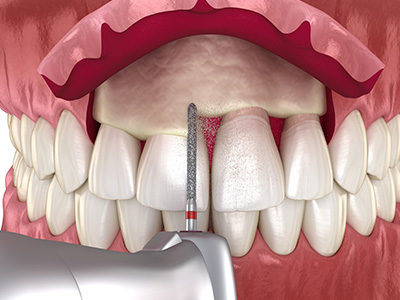
Crown lengthening is typically performed under local anesthesia, so patients remain comfortable throughout the procedure. The dentist or periodontist begins by numbing the area, then gently reshapes the gum tissue and, if necessary, adjusts underlying bone to reveal more of the tooth. The exact steps depend on how much tooth needs to be exposed and whether additional restorative work will follow.

For minor tissue adjustments, the procedure may be limited to soft tissue removal, which can be completed relatively quickly. When bone must be modified, the process requires careful contouring to maintain proper biological spacing — the small zone of tissue that needs to be preserved between bone and restoration. The clinician will work with precision to balance the final tooth height with gum aesthetics and periodontal stability.

In many cases, the dentist plans crown lengthening in coordination with the restoration team so temporary crowns or provisional restorations are placed at the appropriate stage. This collaborative planning ensures the final crown or filling seats correctly and that the soft tissue heals in a way that complements the finished restoration.

Recovery and practical aftercare guidance for patients

Recovery from crown lengthening varies by the procedure’s extent but generally follows a predictable pattern. Immediately after surgery, patients may experience some swelling and mild discomfort that can be managed with recommended over-the-counter pain relief and cold compresses. Maintaining good oral hygiene is important, but the clinician will provide specific instructions about brushing, flossing, and using any antiseptic rinses during the early healing phase.

Eating soft foods for a few days and avoiding hard, crunchy, or sticky items helps protect the surgical site. In addition, patients should avoid strenuous activity for a short period and follow instructions about any temporary restorations to prevent undue pressure on the treated area. Follow-up visits allow the provider to monitor healing, remove sutures if needed, and determine the optimal timing for final restorative work.

If any unusual signs appear—such as persistent heavy bleeding, increasing pain, or signs of infection—patients should contact the office promptly. Most patients heal without complications, and with proper aftercare the tissue contours settle into a healthy, stable position suitable for final crowns or other restorations.

Long-term results: how crown lengthening supports lasting oral health

Crown lengthening can provide durable benefits when combined with appropriate restorative care and regular periodontal maintenance. By creating a clear margin for crowns and fillings, the procedure reduces the risk of recurrent decay at restoration borders and helps the restoration maintain a natural appearance as gums heal and adapt. Properly performed crown lengthening sets the stage for predictable, long-term outcomes.

Maintenance is essential to protect the results. Regular professional cleanings, consistent home care, and periodic evaluations ensure the gum tissue remains healthy around the restored tooth. In some cases, minor touch-ups or adjustments to the restoration may be recommended to optimize contours and contact points with adjacent teeth.

At our practice, we focus on integrating crown lengthening into individualized treatment plans that prioritize both form and function. With careful planning and follow-up, patients can expect improved oral health, reliable restorative performance, and a more harmonious smile that complements their overall facial features.

At Macri Dental, our team approaches crown lengthening with a balance of technical skill and aesthetic judgment, tailoring each plan to the patient’s needs. If you’re considering crown lengthening or want to know whether it’s the right step before a crown, veneer, or other restorative treatment, please contact us for more information.

Frequently Asked Questions

What is crown lengthening and why is it performed?

+

Crown lengthening is a surgical procedure that adjusts gum tissue and sometimes underlying bone to expose more of the visible tooth structure. It is performed to improve smile proportions and to provide sufficient tooth height for secure, long-lasting restorations. The procedure supports both aesthetic goals and restorative function by creating a stable margin for crowns, bridges, and large fillings.

In addition to improving appearance, crown lengthening helps prevent restorative complications such as trapped bacteria at restoration margins or improperly seated crowns. By re-establishing an appropriate relationship between tooth, gum, and bone, the treatment promotes healthier tissue contours around the finished restoration. Thoughtful planning ensures the results are harmonious with the rest of the smile and durable over time.

Who is a good candidate for crown lengthening?

+

Patients who commonly benefit include those with an excessive gum display, clinical crowns that appear too short, or teeth with decay or fractures extending below the gum line. A thorough clinical exam, including assessment of gum and bone levels and the bite, determines whether crown lengthening is the most appropriate option. Because periodontal health affects outcomes, active gum disease typically needs to be addressed before any surgical modification.

Other considerations include the tooth’s location, the amount of healthy tooth structure available, and general healing factors such as medical history and medications. The clinician will weigh conservative alternatives and the long-term goals for the tooth during evaluation. At Macri Dental we coordinate this assessment to recommend the most conservative, predictable approach for each patient.

How is the crown lengthening procedure performed?

+

The procedure is usually done under local anesthesia so patients are comfortable while soft tissue is reshaped and, when necessary, underlying bone is contoured. For minor cases, only soft tissue is removed; when bone must be modified, careful contouring preserves the biological space needed between bone and restoration. The clinician works precisely to balance the desired tooth height, periodontal health, and aesthetic outcome.

When crown lengthening is part of a restorative plan, treatment is coordinated with the restorative team so temporary restorations are placed at the appropriate time. This collaboration helps the soft tissue heal in a way that complements the final crown or veneer. Most procedures are completed in-office and are tailored to the amount of tooth exposure required.

What is the difference between soft tissue crown lengthening and osseous crown lengthening?

+

Soft tissue crown lengthening involves removing excess gum tissue to reveal more of the tooth, while osseous crown lengthening includes reshaping or removing supporting bone in addition to soft tissue modification. Soft tissue procedures are generally simpler and involve a shorter immediate healing period, whereas osseous changes require more careful planning to preserve periodontal support. The choice depends on how much tooth structure must be exposed for a healthy restorative margin.

Because bone removal affects the position of the periodontal attachment, osseous procedures demand meticulous technique and close follow-up to ensure stability. Your dentist will evaluate radiographs and clinical measurements to decide which approach provides predictable results. Both techniques aim to achieve lasting contours that support restoration longevity and gum health.

What should I expect during recovery and aftercare?

+

After crown lengthening patients commonly experience mild swelling and discomfort that can be managed with recommended over-the-counter pain relievers and cold packs during the first 24 to 48 hours. Maintaining careful oral hygiene is important while the site heals, and your clinician will provide instructions on brushing, flossing, and use of any antiseptic rinses to protect the surgical area. Eating soft foods and avoiding hard, crunchy, or sticky items for several days helps prevent irritation to the tissues and provisional restorations.

Follow-up visits allow the provider to monitor healing, remove sutures if needed, and determine the optimal timing for final restorative work. Patients should avoid strenuous activity for a short period and adhere to any temporary restoration instructions to prevent undue pressure on the treated area. If heavy bleeding, increasing pain, fever, or other signs of infection occur, contact the office promptly for evaluation.

Are there risks or complications associated with crown lengthening?

+

As with any surgical procedure, crown lengthening carries potential risks such as postoperative bleeding, infection, increased tooth sensitivity, or uneven gum margins. These complications are uncommon when the procedure is performed by an experienced clinician and when preoperative periodontal health is optimized. The treatment plan is designed to minimize risks by preserving periodontal support and respecting anatomical structures.

Certain factors, including smoking, uncontrolled medical conditions, and some medications, can affect healing and increase complication risk. Your provider will review your medical history and offer guidance to support predictable recovery. Prompt follow-up care and adherence to postoperative instructions further reduce the likelihood of problems and support a successful outcome.

How does crown lengthening affect future restorations like crowns or veneers?

+

Crown lengthening creates a clear, healthy margin for crowns, veneers, and large fillings so restorations can seat properly and resist recurrent decay at the junction with tooth structure. By exposing adequate tooth height and establishing stable soft tissue contours, the procedure improves the longevity and fit of final restorations. Properly executed crown lengthening reduces the need for compromises in restoration design and improves aesthetic integration with adjacent teeth.

The timing of restorative work is important because soft tissue and bone need time to heal and mature before final crowns are placed. Your dentist will coordinate restoration timing and provisional restorations to guide tissue healing and achieve optimal contour. This collaborative approach supports both functional performance and a natural-looking result.

Are there alternatives to crown lengthening for managing short or fractured teeth?

+

Alternatives may include orthodontic extrusion to move the tooth structure coronally, restorative approaches that build up tooth structure, or in some cases, extraction and implant placement depending on the tooth’s prognosis. Each option has different implications for treatment time, invasiveness, and long-term outcomes, so the choice depends on the clinical situation and patient goals. A thorough evaluation helps determine which approach is most conservative and predictable for that individual tooth.

Sometimes a combination of treatments provides the best result, such as minor tissue adjustment with restorative build-up or orthodontic movement followed by a restoration. The clinician will discuss the pros and cons of each option and how they align with the patient’s priorities. Shared decision-making ensures the selected plan balances aesthetics, function, and long-term oral health.

How long do results from crown lengthening last and what maintenance is required?

+

When crown lengthening is performed correctly and followed by appropriate restorative care and regular periodontal maintenance, results can be long-lasting. Stable gum contours depend on good oral hygiene, periodic professional cleanings, and monitoring of the restoration margins to prevent recurrent decay or tissue changes. Restorations that fit well and protect underlying tooth structure support enduring outcomes.

Occasionally minor adjustments or restorative refinements are recommended to optimize contacts and contours as healing finishes. Regular dental visits allow the clinician to evaluate tissue stability and restoration integrity and to intervene early if problems arise. Consistent home care and adherence to recall appointments are key to preserving the benefits of the procedure.

What should I expect during the consultation and how do I get started?

+

The consultation begins with a comprehensive exam that may include clinical measurements, radiographs or CBCT imaging when needed, and an assessment of the bite and surrounding teeth. Your dentist will review the goals for the tooth, discuss potential approaches and expected healing timelines, and explain how crown lengthening fits into the overall restorative plan. This evaluation helps create a personalized treatment sequence that prioritizes tissue health and predictable results.

After the exam you will receive a clear plan outlining next steps, timing for provisional and final restorations, and any preparatory periodontal care that may be needed. To schedule an evaluation or learn more about whether crown lengthening is right for you, contact Macri Dental and speak with our team about arranging a consultation tailored to your needs. We aim to provide coordinated, patient-focused care that supports both function and a natural-looking smile.

Contact Us

Exceptional Dentistry, Centered Around You

Discover a dental experience built around your comfort, needs, and goals. Our team is here to answer your questions, help you explore your treatment options, and make scheduling your visit simple and convenient. Contact our office today and take the next step toward personalized, high-quality dental care for you and your family.

Office Hours

Monday
9:00 am - 5:00 pm
Tuesday
7:00 am - 4:00 pm
Wednesday
7:00 am - 3:00 pm
Thursday
7:00 am - 2:00 pm