Understanding Bruxism: why teeth grinding often happens at night
Bruxism is the term for repeated clenching or grinding of the teeth, and for many people it occurs most prominently during sleep. Nighttime grinding can be silent, so partners may not always notice it, yet the effects can be unmistakable: morning jaw stiffness, recurring headaches, increased tooth sensitivity, and accelerated wear on enamel. While stress and anxiety are common triggers, bruxism is a multi-factor condition — sleep disturbances, an uneven bite, missing or misaligned teeth, and certain medications can all play a role.
Because bruxism affects both the teeth and the muscles and joints of the jaw, it can contribute to longer-term problems if left unmanaged. Constant pressure on the temporomandibular joint (TMJ) may lead to discomfort, reduced function, and in some cases changes to the bite or fractured dental work. Early recognition is helpful; addressing clenching and grinding before significant damage occurs often reduces the need for more complex dental treatments later on.
At our office, we focus on identifying the specific contributors to a patient’s bruxism and designing sensible, evidence-based approaches to reduce harm and improve comfort. A night guard is a common and effective first line of defense for protecting teeth and relieving stress on the jaw. When combined with a careful evaluation, it can be part of a broader plan to restore balance and protect oral health.
How a custom night guard protects your smile and jaw
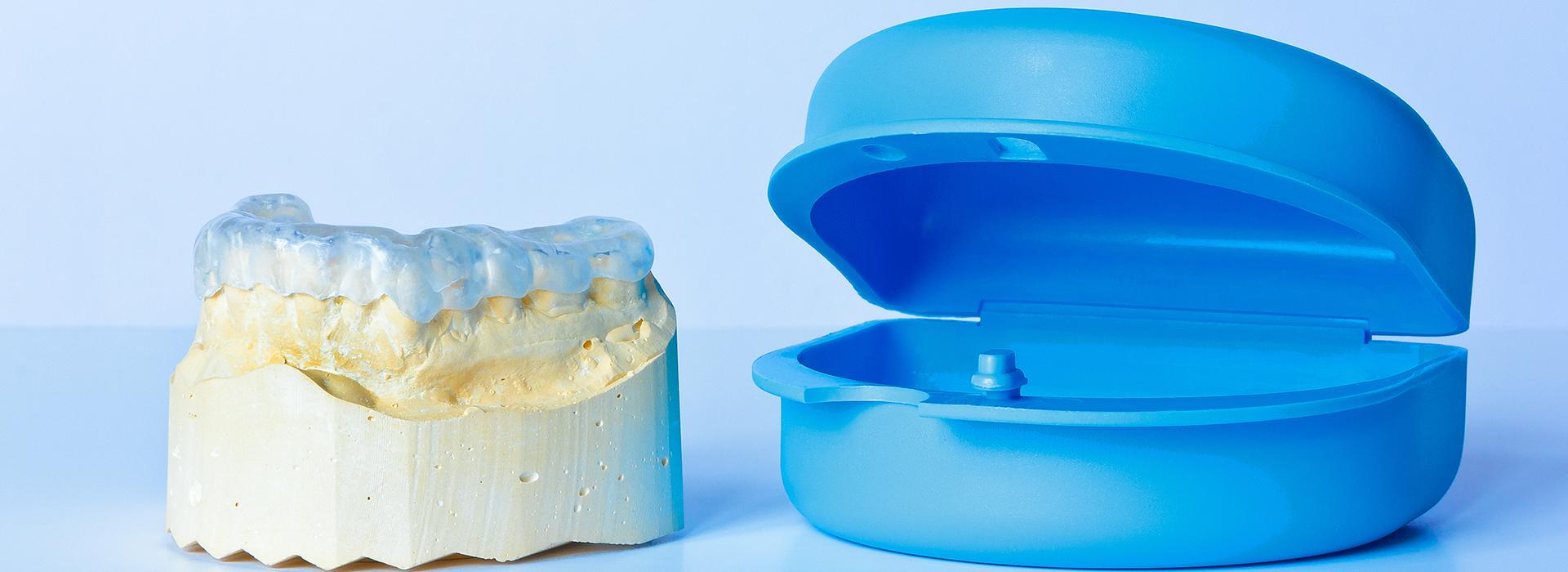
A night guard is a device that fits over the teeth to create a protective barrier between upper and lower arches. Rather than attempting to stop the unconscious motion of grinding, a properly designed guard redistributes and absorbs the force so that tooth surfaces and restorations are shielded from destructive contact. By preventing direct enamel-on-enamel grinding, the appliance lowers the risk of chips, fractures, and progressive wear that can compromise a smile over time.
Beyond preserving tooth structure, night guards reduce the amount of force transmitted to the jaw muscles and TMJ. This can translate into fewer headaches, less muscle soreness upon waking, and reduced strain on the joint. Different materials and designs can emphasize comfort, durability, or stabilization depending on the patient's needs; a custom-fitted guard is shaped precisely to a person’s bite, which improves fit and reduces the need for frequent adjustments.
Compared with one-size-fits-all options sold over the counter, a laboratory-made or digitally fabricated custom night guard offers a closer fit, predictable coverage, and tailored thickness in areas that receive the most force. Those advantages help the device work more effectively and feel more comfortable, increasing the likelihood a patient will wear it consistently and gain the intended protective benefits.
The fitting process: what to expect during your appointment
A comfortable, functional night guard begins with a thorough evaluation. The clinician will review symptoms, examine the teeth, check for signs of wear, and assess jaw movement and joint health. If necessary, the exam may include digital imaging or intraoral photographs to document the condition of the teeth and supporting tissues. This step helps determine whether a night guard is appropriate and which style will best address the patient’s goals.
From there, impressions or digital scans of the upper and lower teeth are taken to capture the precise contours of the bite. Many modern practices use digital impressions for speed and accuracy, while traditional impressions remain a reliable option. These records are then used to fabricate a device that conforms closely to the patient’s mouth. Before the final appliance is delivered, the clinician will discuss material choices and any special considerations, such as bruxism severity or concurrent dental restorations.
When the night guard is ready, the fit is verified and minor adjustments are made to ensure even contacts and comfortable jaw position. Patients are instructed on how to insert, remove, and care for the appliance, and a follow-up visit is usually scheduled to confirm that the device is functioning as intended. Good communication during the fitting process helps minimize discomfort and adapt the appliance to real-world use.
Daily care and practical tips to extend the life of your night guard
>
Routine care helps maintain hygiene and prolongs the useful life of a night guard. Each morning, rinse the appliance under cool or lukewarm water and use a soft brush with a mild, non-abrasive cleanser if needed to remove buildup. Avoid exposure to hot water, which can warp the material, and never use harsh chemical agents or household cleaners that could damage the guard or irritate oral tissues.
When not in use, store the guard in a ventilated case to allow it to dry and to protect it from accidental damage. Inspect the device regularly for signs of excessive wear, cracking, or areas that become sharp or uncomfortable; these can indicate it’s time for an adjustment or replacement. Bringing the guard to periodic dental checkups ensures the team can evaluate fit and wear patterns and recommend refinements if bruxism changes over time.
Comfort and compliance make a big difference in the effectiveness of a night guard. If a patient has trouble tolerating the appliance at first, small gradual increases in wear time combined with open communication about sore spots typically leads to improved comfort. Proper care and attention help maximize the guard’s protective value while keeping oral hygiene simple and manageable.
When a night guard isn’t enough: additional steps and complementary care
While a night guard addresses the mechanical harm caused by grinding, it may not resolve the underlying triggers for every patient. If factors such as an abnormal bite, missing teeth, or a suspected sleep disorder are involved, additional evaluation and treatments may be necessary. Orthodontic therapy, restorative work to re-establish proper occlusion, or targeted TMJ care can be part of a multi-disciplinary plan when indicated.
For individuals with signs of sleep-disordered breathing, referral for a sleep study or coordination with a sleep medicine specialist can be a prudent next step. Tackling sleep issues, improving sleep hygiene, and addressing contributing health concerns often complements the protective role of a night guard and can reduce the frequency or intensity of bruxism in some cases.
Ultimately, successful management of clenching and grinding frequently combines a well-fitting night guard with a personalized clinical strategy that addresses dental, muscular, and lifestyle contributors. Working with a dental team to monitor progress and refine the treatment approach ensures care stays aligned with evolving needs and long-term oral health goals.
In summary, night guards are a practical, evidence-based tool for preventing tooth damage and easing the muscular and joint strain caused by nighttime bruxism. When custom fitted and maintained properly, they protect dental work, reduce pain, and support better sleep quality. If you’d like to learn more about whether a night guard is right for you, please contact us for more information — our team at Macri Dental can help you explore options and find the approach that fits your needs.