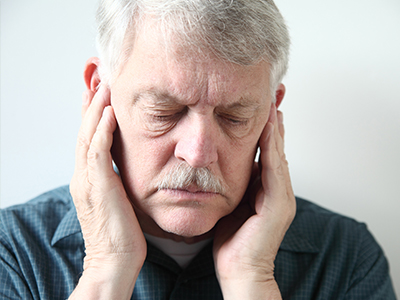
Temporomandibular joint (TMJ) problems are a common source of persistent face, jaw and head discomfort. Estimates from national research bodies place TMJ-related pain among the leading causes of chronic facial pain in the United States, affecting millions of people in varying degrees. While symptoms range from mild irritation to disabling pain, early recognition and a thoughtful treatment plan can markedly improve comfort and function.
Understanding TMJ disorders means looking at how the joint, the surrounding muscles and the bite work together — and sometimes against one another. This page explains how the joint works, why problems develop, how clinicians evaluate these conditions, and the practical approaches that can relieve symptoms and restore normal jaw movement.
What the jaw does (and why the TMJ is special)
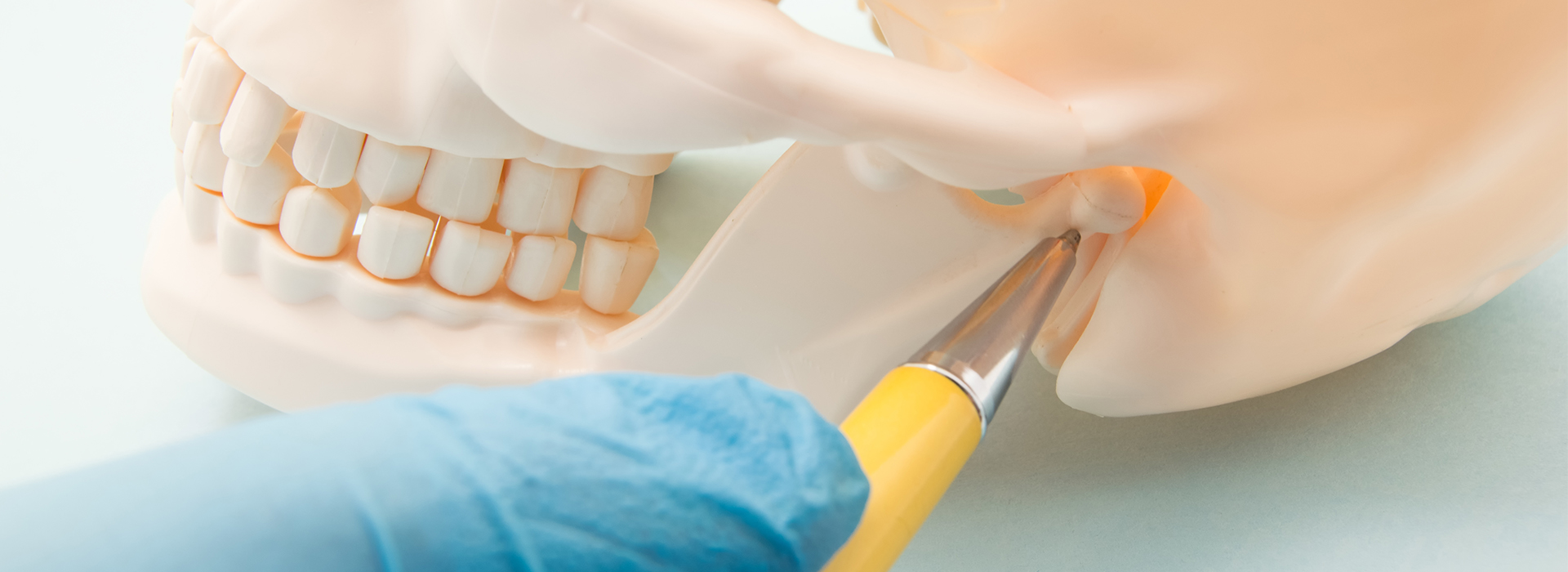
The temporomandibular joints link the lower jaw (mandible) to the temporal bones on either side of the skull. Each joint contains a small, fibrous disc that cushions the rounded end of the jawbone as it moves within the socket. Because the TMJ combines hinge-like opening with gliding forward, backward and side-to-side motion, it supports a surprising range of activities: chewing, speaking, yawning and more.
That combination of movements — plus the constant work of the chewing muscles — makes the TMJ mechanically complex. Small changes in the disc position, muscle tension, or how the teeth meet (occlusion) can produce discomfort, noises such as clicking or grinding, and limitations in how far the mouth can open.
Although the TMJ is robust, it is also sensitive to repeated strain and injury. The joint’s anatomy and its role in everyday functions are reasons why TMJ problems can be persistent and sometimes challenging to treat without a careful, conservative approach.
How TMJ disorders begin and what raises the risk
TMJ conditions rarely have a single cause. Many patients develop symptoms after an identifiable event — for example, a direct blow to the jaw, a whiplash-type injury, or an episode of prolonged mouth opening. In other cases, problems emerge gradually from repetitive stresses such as chronic teeth grinding (bruxism) or clenching that overload the joint and nearby muscles.
Inflammatory conditions and arthritis can also affect the joint surfaces, altering motion and producing pain. Systemic conditions such as rheumatoid arthritis or degenerative changes related to osteoarthritis may be present in some individuals, contributing to joint degeneration and discomfort.
Stress and behavioral factors play a supporting role for many people. Increased muscle tension, sleep-related grinding, and certain chewing habits (like frequent gum chewing or biting hard foods) can maintain or worsen symptoms. Recognizing contributing factors is a key step toward an effective treatment plan.
Common signs to watch for
TMJ disorders can present with a variety of symptoms that differ from person to person. Localized jaw pain is one of the most typical complaints, often accompanied by tenderness in the chewing muscles, limited mouth opening, or a sensation that the jaw “locks” in place. Reproducible noises such as popping, clicking, or grating when the mouth moves are also commonly reported.
Because the nerves and muscles around the TMJ are connected to other structures in the head and neck, some patients describe ear-related symptoms such as fullness, aching, or ringing (tinnitus). Headaches, neck stiffness, and facial muscle pain frequently overlap with TMJ complaints and can complicate the clinical picture.
The pattern and intensity of symptoms provide important clues for diagnosis. Some people experience short-lived episodes that resolve with simple self-care, while others have persistent pain that interferes with daily activities and requires professional evaluation.
How clinicians evaluate TMJ problems
A careful evaluation begins with a detailed history and a clinical exam focusing on jaw movement, joint sounds, muscle tenderness and how the teeth come together. Your dentist will ask about symptom timing, any history of facial trauma, sleep and stress patterns, and habits such as clenching or nighttime grinding.
When additional information is needed, imaging tools can help clarify the underlying mechanics. Modern practices often use digital radiography and cone-beam computed tomography (CBCT) to visualize joint anatomy and rule out structural damage. Specialized TMJ evaluation tools and intraoral cameras may be used to assess muscle activity and dental factors that influence the joint.
Because TMJ disorders can involve dental, muscular and skeletal elements, a multidisciplinary perspective is sometimes helpful. Collaboration with physical therapists, pain specialists or ENT providers can be part of a comprehensive assessment when symptoms extend beyond the jaw or when other contributing conditions are suspected.
Strategies for relieving symptoms and improving function
Treatment emphasizes conservative, reversible approaches at first. Oral appliances such as custom night guards or stabilization splints are commonly used to reduce clenching and redistribute bite forces, which can decrease muscle strain and allow inflamed tissues to settle. These devices are designed for short- to medium-term use while other therapies take effect.
Adjunctive therapies often include targeted physical therapy, soft-tissue massage, and guided stretching exercises to ease muscle tension and restore range of motion. Heat or cold applications, posture correction, and relaxation techniques to manage stress can all form part of a self-care plan recommended by your clinician.
In selected cases, targeted medical treatments such as short-term anti-inflammatory medication, muscle relaxants, or corticosteroid injections may be appropriate under a clinician’s supervision. Dental adjustments — including occlusal equilibration, orthodontics or restorative work — are considered when bite relationships clearly contribute to joint dysfunction. Surgery is reserved for severe, well-documented structural problems that have not responded to conservative care.
Many patients experience significant improvement with a tailored combination of therapies and behavior changes. Ongoing monitoring and periodic reassessment ensure that treatment adapts to the patient’s response and evolving needs.
Practical steps you can start today
While you arrange an evaluation, several simple measures can reduce discomfort. Opt for softer foods, avoid wide yawning and hard or chewy items, and limit gum chewing. Practicing relaxation and breathing techniques can lower involuntary muscle tension, and applying a warm compress to the jaw muscles may ease tightness.
If you suspect teeth grinding, mention it to your clinician; protecting the teeth and reducing muscle strain with a properly fitted nightguard can be a crucial early intervention. Keep a symptom diary to track activities, sleep quality and pain patterns — this information often accelerates diagnosis and helps your provider tailor treatment more effectively.
Regular dental care and prompt attention to new or worsening symptoms are important. Early intervention tends to broaden the range of successful, noninvasive options and reduces the likelihood of long-term joint changes.
Types of TMJ conditions
- Muscle-related (myofascial) pain — discomfort driven by increased muscle tension or spasm in the chewing muscles.
- Mechanical/internal derangement — issues involving disc displacement, jaw dislocation, or injuries to the joint surfaces.
- Degenerative changes — arthritic or wear-related alterations to the joint that affect smooth movement.
At Macri Dental, we combine careful clinical assessment with modern imaging and evaluation tools when needed, aiming to identify the most likely causes of a patient’s symptoms and to recommend practical, evidence-based treatments. Our goal is to restore comfortable, reliable jaw function while minimizing unnecessary procedures.
To summarize, TMJ disorders encompass a range of muscle, joint and bite-related conditions that can cause pain and functional limitations. Most cases respond to conservative care, especially when evaluation is prompt and tailored to the individual. If you’re experiencing jaw pain, clicking, limited opening, or related symptoms, please contact us for more information about evaluation and treatment options.