At the office of Macri Dental, we take a forward-looking approach to dental care: preventing problems before they start is the most effective way to preserve a healthy, confident smile. Regular oral exams are the cornerstone of that strategy. During these visits we combine a careful clinical inspection with diagnostic imaging and patient education so you leave with a clear picture of your current oral health and an individualized plan to keep it that way.
Our preventive services include comprehensive oral examinations, routine professional cleanings, and oral cancer screenings, along with guidance on home care, nutrition, and habits that affect dental health. The goal is simple — catch concerns early when treatment is easier and outcomes are better. You will find our team committed to clear explanations, thoughtful recommendations, and respectful care at every visit.
What to Expect During an Initial Oral Exam
Your first comprehensive exam sets the stage for ongoing care. We begin by reviewing your medical and dental histories so we can understand any conditions, medications, or past treatments that influence oral health. You’ll have an opportunity to describe current concerns or symptoms — pain, sensitivity, changes in chewing, dry mouth, or anything else you’ve noticed — so we can target the examination effectively.
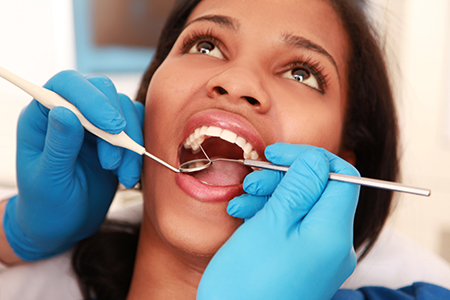
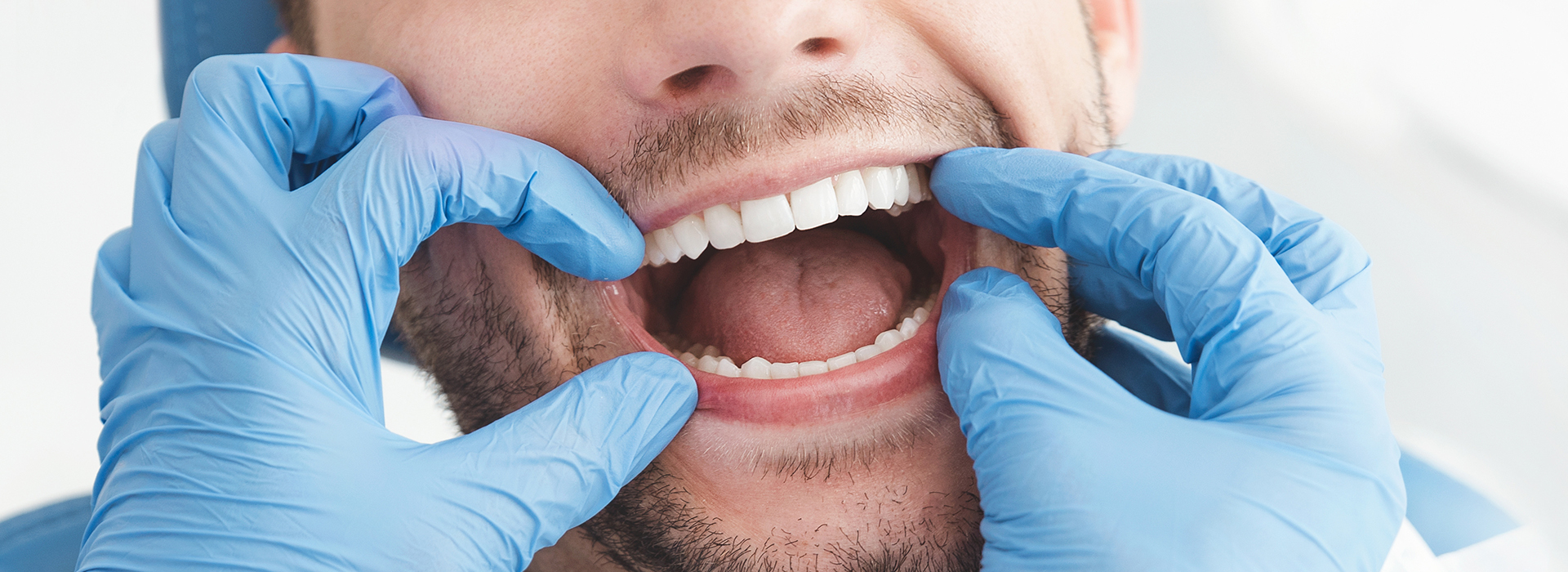
The clinical portion of the exam covers a thorough inspection of the teeth, gums, tongue, and the soft tissues of the mouth, as well as an assessment of the surrounding head and neck areas. We evaluate how your teeth come together (occlusion), screen the temporomandibular joint (TMJ) for signs of dysfunction, and check for wear patterns that may indicate clenching or grinding. When needed, we recommend diagnostic images to view structures that cannot be seen with the naked eye.
After collecting exam findings and any imaging results, your dentist and hygienist will review observations with you and outline recommended next steps. That might be preventive measures, targeted hygiene instruction, monitoring, or referrals for specialized care. The process is focused on clarity — you’ll understand why a recommendation is made, what to expect from treatment, and how it fits into your overall oral-health plan.
How Oral Health Connects to Overall Health
Oral health is tightly linked to systemic health: changes in the mouth can reflect or influence conditions elsewhere in the body. Inflammation from gum disease, for example, can affect blood vessels and has been associated with increased risk factors for cardiovascular disease. Conversely, systemic conditions and certain medications can produce dry mouth, altered taste, or mucosal changes that require dental attention.
During an oral exam we look for signs that may indicate broader health issues, such as persistent oral lesions, unusual swelling, unexplained bleeding, or severe dry mouth. Identifying these signs early allows us to coordinate care with your medical providers when appropriate. Routine exams therefore serve not only to protect teeth and gums but also as a valuable component of general wellness screening.
Paying attention to oral symptoms — bad breath that doesn’t respond to hygiene changes, recurring ulcers, or sudden changes in bite or tooth position — can reveal underlying problems that affect quality of life. Our exam process is designed to spot those patterns and to make evidence-based recommendations that support both oral and whole-body health.
Why Routine Checkups and Professional Cleanings Matter
Consistent checkups and professional cleanings keep small problems from becoming large ones. Even with excellent home care, plaque can build up in hard-to-reach areas and harden into tartar, which can only be removed safely by a dental professional. Removing this buildup reduces the bacterial load in the mouth and lowers the risk of cavities and periodontal disease.
Regular visits also give us a chance to deliver targeted oral-hygiene instruction. Our hygienists can demonstrate techniques, suggest products, and tailor recommendations to your individual needs — whether you wear appliances, have sensitive gums, or are caring for a child’s developing smile. Education during these appointments helps patients take more effective control of their daily routines.
We typically recommend routine care at periodic intervals based on individual risk factors. For many people that interval is every six months, but some patients benefit from more frequent monitoring. Follow-up visits let us track changes over time, catch decay or gum disease in its earliest stages, and intervene with conservative, predictable treatments when necessary.
For families, establishing regular dental visits early in life builds healthy habits and allows clinicians to monitor growth and development. We keep a close watch on children’s dental and jaw development so we can identify potential orthodontic needs or other concerns when intervention will be most effective.
How Diagnostic Imaging Enhances an Oral Exam
Clinical inspection is essential, but diagnostic imaging reveals what lies beneath the surface. Digital radiographs show the internal structure of teeth, the level and quality of the supporting bone, and hidden areas of decay or infection. These images are important for diagnosing problems that are not visible during a visual exam alone.
Modern digital radiography reduces radiation exposure and delivers images instantly, which improves diagnostic efficiency and patient comfort. Images can be reviewed together in the operatory so your clinician can point out findings and explain the implication of any abnormal results. Digital files are stored in your record for comparison over time, helping us track progression or healing with precision.
For complex cases or treatment planning — for example, when evaluating implant placement or assessing detailed anatomical relationships — three-dimensional imaging such as cone-beam computed tomography (CBCT) provides invaluable information. CBCT produces a volumetric view of the jaws and surrounding structures that enhances surgical planning and diagnostic accuracy.
Common Types of Dental Radiographs and Their Uses
Different radiographs serve different diagnostic purposes. A periapical image focuses on a single tooth from crown to root and is useful when evaluating the root, surrounding bone, or endodontic (root canal) concerns. Bitewing images capture the upper and lower crowns of back teeth to detect early decay between teeth and to assess the height of the bone around the teeth.
A full-mouth series combines periapical and bitewing views to document the condition of every tooth and adjacent bone when a comprehensive baseline is needed. Panoramic films provide a broad two-dimensional overview of the jaws and dentition and are helpful for assessing impacted or developing teeth, overall jaw shape, and pathology across both arches.
Cephalometric images are taken primarily for orthodontic planning because they show facial skeletal relationships in profile. When three-dimensional detail is required, CBCT offers high-resolution volumetric images that clinicians use for diagnostic evaluation, precise implant planning, surgical guidance, and advanced restorative work.
The specific images we recommend depend on your symptoms, treatment goals, and medical history. Our approach balances diagnostic need with minimizing exposure, and we explain the purpose of each image so you understand how it contributes to safe, effective care.
In summary, a thorough oral exam combines careful clinical assessment, appropriate imaging, and clear patient communication to protect oral health and detect concerns early. If you’d like to learn more about our approach to oral exams or what to expect at your next visit, please contact us for more information.