Smiling woman with a blonde bob and tan cardigan showing healthy teeth after periodontal treatment

Oral Surgery

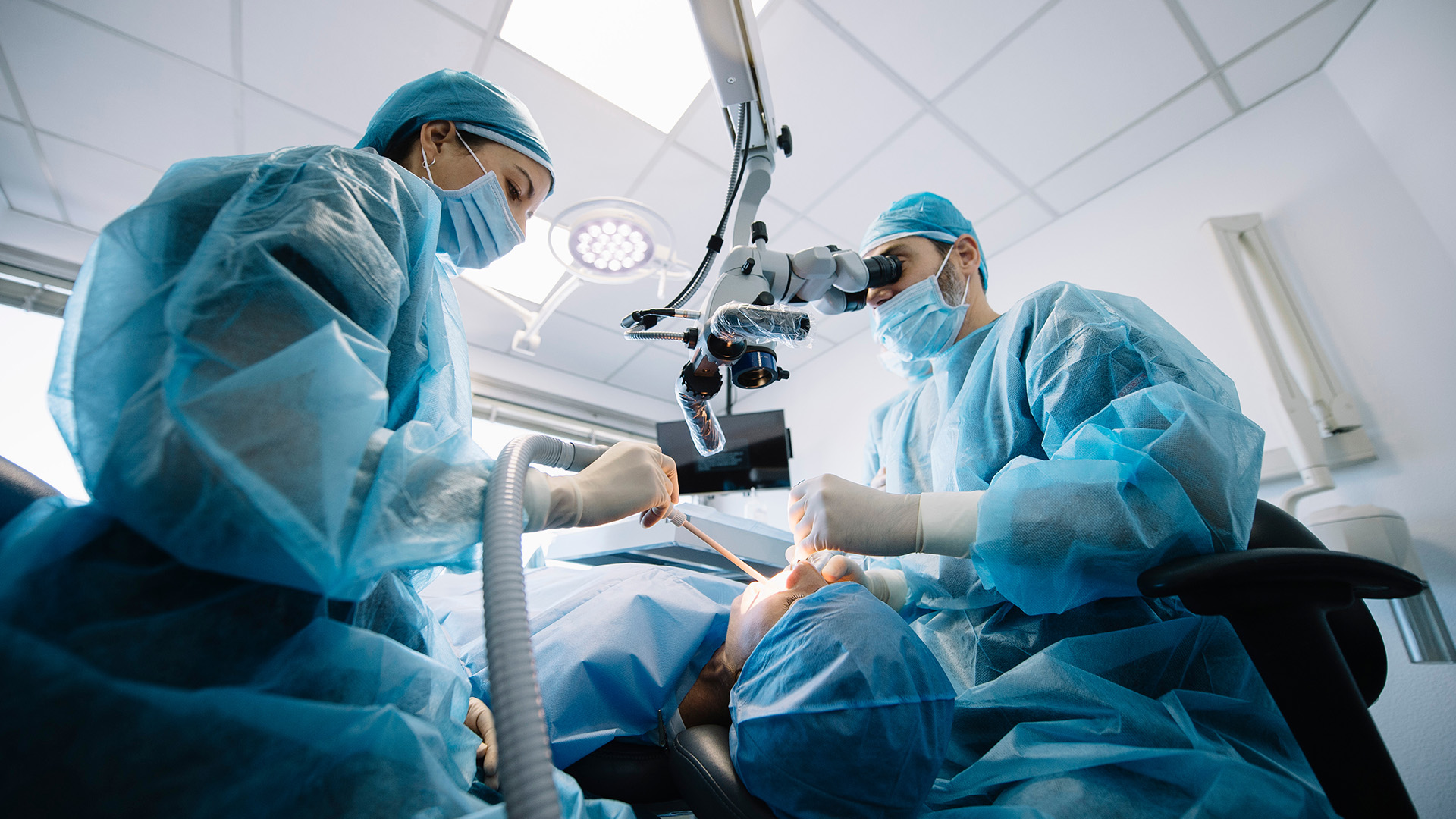
Two surgeons in blue gowns and masks perform oral surgery on a patient using a dental surgical microscope

Understanding Oral Surgery: What It Is and Why It Matters

Oral surgery covers a range of procedures that address problems beyond routine dental care — from extracting teeth that cannot be saved to preparing the jaws for restorative work. These treatments often require surgical technique, careful planning, and close coordination with other aspects of your dental health. The goal is to resolve pain, preserve function, and create a stable foundation for long-term oral wellness.

Patients typically come to oral surgery when a tooth is damaged, impacted, or causing complications that preventive measures and standard restorative treatments cannot fix. In other cases, oral surgery supports larger treatment plans, such as preparing the mouth for implants or correcting structural issues in the jaw. Because these procedures interact with hard and soft tissues, attention to anatomy and healing is essential.

We approach each case with clear communication and a treatment plan tailored to the patient’s needs and comfort level. That means discussing why a surgical approach is recommended, what to expect during the appointment, and how recovery will be managed so patients can make informed decisions about their care.

Common Oral Surgery Procedures and When They’re Recommended

Surgical tooth extractions, including the removal of impacted wisdom teeth, are among the most common oral surgery procedures. Extractions become necessary when a tooth is severely damaged, infected, or crowding neighboring teeth. Impacted wisdom teeth can lead to pain, recurrent infection, or damage to adjacent teeth, and removing them proactively can prevent more complex problems later.

Bone grafting and ridge preservation are frequently performed when there is insufficient bone for implant placement or other restorative options. These procedures rebuild and stabilize the jaw so that future treatments—like dental implants—have a strong, predictable foundation. Similarly, sinus lifts and other augmentation techniques are used when anatomy limits the available bone in the upper jaw.

Apicoectomies, surgical removal of root tips, and biopsies of oral lesions are other examples of focused surgical care. Each procedure targets a specific clinical issue and is chosen based on diagnostic findings, imaging, and the patient’s overall health. Your clinician will explain the alternatives, risks, and what the surgical approach aims to achieve.

How Technology Improves Surgical Precision and Safety

Modern oral surgery relies heavily on diagnostic imaging and digital planning to reduce surprises and improve outcomes. Cone beam computed tomography (CBCT) and 3D nerve mapping allow clinicians to visualize critical anatomy — such as nerve pathways and sinus cavities — so surgical plans are made with precision. This level of planning helps minimize complications and supports more predictable healing.

Digital workflows extend into the surgical appointment as well. Guided surgery and digital implant planning translate the preoperative plan directly to the treatment chair, increasing accuracy for implant placement and other procedures. These technologies work together to protect surrounding structures and to optimize the functional and aesthetic results of surgery.

Safety isn’t limited to imaging: our practice follows strict infection control, sterile technique, and clinical protocols so patients can feel confident throughout the surgical process. Clear preoperative instructions and monitoring during procedures are standard parts of delivering care that prioritizes both results and patient well-being.

Comfort Options, Sedation, and Pain Management

Feeling comfortable during and after oral surgery is a central concern for many patients, and we take a careful, individualized approach to pain control and anxiety management. Depending on the procedure and a patient’s medical history, options range from local anesthesia to inhaled nitrous oxide and oral or intravenous sedation. The goal is to provide the right level of relief so patients are relaxed and pain-free during the procedure.

Postoperative pain is managed proactively with a combination of medications, local anesthetic techniques, and practical aftercare guidance. Patients receive clear instructions on how to protect the surgical site, what symptoms are normal during healing, and how to use prescribed or recommended medications safely. Managing expectations about the recovery timeline helps reduce anxiety and supports a smoother healing process.

Emotional support and communication are also important. We explain each step of the plan, answer questions before treatment, and ensure patients know what to expect immediately after surgery. For those with dental anxiety or medical concerns, personalized sedation and monitoring protocols help make the experience as calm and controlled as possible.

Preparing for Surgery and What to Expect During Recovery

Preparation begins with a thorough evaluation that may include a clinical exam, radiographic imaging, and a review of your medical history and medications. Preoperative planning identifies any factors that could affect healing and helps your care team coordinate with other providers if needed. We provide straightforward instructions on eating, medications, and transportation for the day of surgery to promote safety and comfort.

Recovery varies by procedure, but common elements include managing swelling, following oral hygiene recommendations, and attending follow-up appointments. Most patients experience a predictable healing process when they adhere to aftercare directions: rest, use of cold compresses during the first 24–48 hours if advised, gentle oral hygiene, and avoiding activities that could dislodge clots or disturb sutures. We always explain signs that warrant prompt attention, such as severe pain that doesn’t respond to treatment or persistent bleeding.

Follow-up care ensures the surgical site is healing as expected and that any transition to restorative work—such as implant placement or crown restoration—proceeds smoothly. Patient education plays a major role in successful outcomes, so we make time to review recovery steps, answer questions, and coordinate the next phases of care when appropriate.

At Macri Dental, our approach to oral surgery blends surgical skill, modern technology, and patient-centered communication to deliver care you can trust. If you would like to learn more about specific procedures, comfort options, or how a surgical solution might fit into your overall treatment plan, please contact us for additional information and to discuss your needs with our team.

Frequently Asked Questions

What is oral surgery and when is it necessary?

+

Oral surgery encompasses procedures that treat conditions not manageable with routine dental care, including removing irreparably damaged or impacted teeth and addressing structural issues of the jaws. These interventions are used to relieve pain, remove sources of infection, and prepare the mouth for restorative care such as implants. Clinicians recommend surgical approaches when conservative treatments are unlikely to restore function or long-term oral health.

Decisions about surgery are based on clinical examination, imaging, and a review of your overall health, so the recommended plan is individualized. The primary goals are to resolve the immediate problem, preserve surrounding structures, and create a predictable foundation for future treatment. Clear communication about why surgery is advised helps patients make informed choices about their care.

What common procedures fall under oral surgery?

+

Common oral surgery procedures include surgical tooth extractions, removal of impacted wisdom teeth, apicoectomies to address persistent root infections, and biopsies of suspicious oral lesions. Bone grafting, ridge preservation, and sinus lift procedures are also frequent when preparatory work is needed for implants or other restorations. Each procedure targets a specific anatomic or pathological issue and is selected based on diagnostic findings and treatment objectives.

Surgical care can also extend to corrective procedures for jaw discrepancies and soft tissue management when necessary to restore function and comfort. Your clinician will outline the expected benefits, possible alternatives, and the steps involved in each procedure. That process ensures the chosen intervention aligns with your oral health goals and medical considerations.

How does advanced imaging like CBCT improve surgical planning?

+

Cone beam computed tomography (CBCT) and 3D nerve mapping provide three-dimensional views of bone, tooth roots, nerve pathways, and sinus anatomy that conventional X-rays cannot fully reveal. This detailed visualization reduces uncertainty, allowing clinicians to plan incisions, implant trajectories, and graft placements with greater precision. Accurate planning helps minimize the risk of damaging critical structures and supports more predictable functional and aesthetic outcomes.

Digital imaging also enables the creation of surgical guides and integration with digital implant planning workflows so the preoperative plan translates directly to chairside execution. When anatomy is complex, these technologies guide decision-making about whether adjunctive procedures, such as bone augmentation or nerve repositioning, are required. Ultimately, imaging-driven planning improves both safety and efficiency during surgery.

What sedation and pain management options are available for oral surgery?

+

A range of anesthesia and sedation options are available to match the complexity of the procedure and the patient’s health and anxiety level, including local anesthesia, inhaled nitrous oxide, oral sedatives, and intravenous sedation. Each modality is chosen to provide comfort, safety, and appropriate levels of amnesia or relaxation when needed. The treatment team reviews medical history and current medications to determine the most suitable approach and any necessary monitoring during the procedure.

Postoperative pain is managed proactively with a combination of local anesthetic techniques, prescribed or recommended medications, and practical aftercare instructions tailored to the procedure. Patients receive guidance on expected discomfort, how to use medications safely, and nonpharmacologic measures such as cold therapy and rest. This multimodal approach reduces pain, promotes restful recovery, and supports a smoother healing course.

How should I prepare for an oral surgery appointment?

+

Preparation begins with a comprehensive evaluation that may include a clinical exam, radiographic imaging, and a review of your medical history, current medications, and any prior surgical or anesthesia experiences. Your care team will provide clear preoperative instructions about fasting, medication adjustments, and transportation if sedation is planned. Following these instructions helps ensure safety and reduces the likelihood of last-minute cancellations or complications.

If you have medical conditions or take blood-thinning medications, your provider may coordinate with your physician to optimize perioperative management. Bring a list of current medications and any relevant medical records to your appointment. Being prepared with questions about the procedure and recovery can help you feel more confident and informed before surgery.

What can I expect during the recovery period after oral surgery?

+

Recovery timelines vary by procedure, but common elements include controlled swelling, mild-to-moderate discomfort, and progressive tissue healing over days to weeks. Typical aftercare includes rest, avoidance of strenuous activity, use of cold compresses during the first 24–48 hours if advised, and gentle oral hygiene practices that protect the surgical site. Following postoperative instructions about diet, activity, and medications significantly influences the speed and quality of healing.

Patients are advised to watch for signs that could indicate a complication, such as prolonged or worsening pain, fever, persistent bleeding, or signs of infection, and to report these promptly. Scheduled follow-up visits allow the clinician to assess healing, remove sutures if needed, and plan any necessary restorative steps like implant placement or prosthetic work. Clear communication during recovery helps address concerns and keeps the treatment plan on track.

How do bone grafting and ridge preservation support implant success?

+

Bone grafting and ridge preservation rebuild or augment deficient jawbone so dental implants have a stable, well-vascularized foundation for long-term integration. When teeth are lost or extraction sockets are compromised, bone can resorb, reducing available support for implants; grafting restores volume and contour to allow ideal implant positioning. These procedures use carefully selected graft materials and techniques to encourage the body’s natural bone regeneration processes.

Successful grafting improves the predictability of implant placement, supports proper emergence profiles for crowns, and can prevent the need for more complex augmentation later. Healing times vary depending on the graft type and the clinical site, and clinicians will monitor integration before proceeding with implant placement. Proper planning and follow-up care are essential to achieve durable functional and aesthetic results.

What are the potential risks of oral surgery and how are they managed?

+

As with any surgical procedure, oral surgery carries risks such as infection, bleeding, nerve irritation, and delayed healing, though these outcomes are uncommon when care is planned and performed properly. Thorough preoperative assessment, sterile technique, and precise surgical execution reduce the likelihood of complications. When risks are present due to anatomy or medical history, clinicians discuss them and outline strategies to mitigate them before proceeding.

If complications arise, prompt recognition and management are key to preserving outcomes; this may involve medications, additional minor procedures, or referrals to specialists in rare cases. Follow-up care and clear patient communication support early intervention when healing deviates from expectations. The overall intent is to manage risk proactively while striving for the safest possible surgical experience.

How should I care for my mouth at home to promote healing after surgery?

+

Home care after oral surgery centers on protecting the surgical site, maintaining gentle oral hygiene, and following the clinician’s instructions regarding medications and activity. Avoid rinsing vigorously, using straws, or smoking during the initial healing period to prevent disturbance of clots and sutures. Adhering to dietary recommendations—typically soft, nutrient-dense foods—and avoiding hard or crunchy items helps minimize mechanical stress on the surgical area.

Perform any recommended gentle rinsing with saline or an antibacterial solution as directed, and brush teeth carefully while avoiding direct trauma to the site. Attend all scheduled follow-up visits so the clinician can evaluate healing and provide additional guidance. Good home care reduces infection risk and supports a more predictable recovery.

When should I contact the office after oral surgery?

+

You should contact the office if you experience severe or increasing pain that is not relieved by prescribed measures, uncontrolled bleeding, signs of infection such as fever or drainage, or any sudden changes in sensation like persistent numbness or tingling. These symptoms may indicate a complication that requires prompt assessment and possible intervention. Routine concerns, such as manageable swelling or mild discomfort, are usually addressed during scheduled follow-up visits.

If you have questions about medications, activity restrictions, or the timeline for returning to normal function, call to speak with your care team for clarification and reassurance. At Macri Dental, we encourage patients to report urgent symptoms so we can respond quickly and support a safe recovery. Timely communication helps prevent minor issues from becoming more serious problems.

Contact Us

Exceptional Dentistry, Centered Around You

Discover a dental experience built around your comfort, needs, and goals. Our team is here to answer your questions, help you explore your treatment options, and make scheduling your visit simple and convenient. Contact our office today and take the next step toward personalized, high-quality dental care for you and your family.

Office Hours

Monday
9:00 am - 5:00 pm
Tuesday
7:00 am - 4:00 pm
Wednesday
7:00 am - 3:00 pm
Thursday
7:00 am - 2:00 pm