Smiling woman with a blonde bob and tan cardigan showing healthy teeth after periodontal treatment

Root Canals

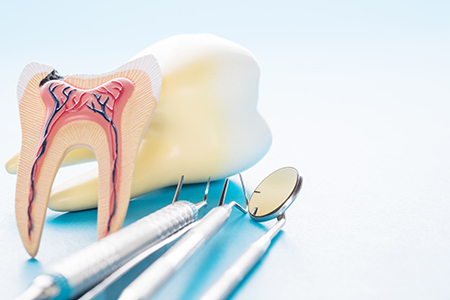
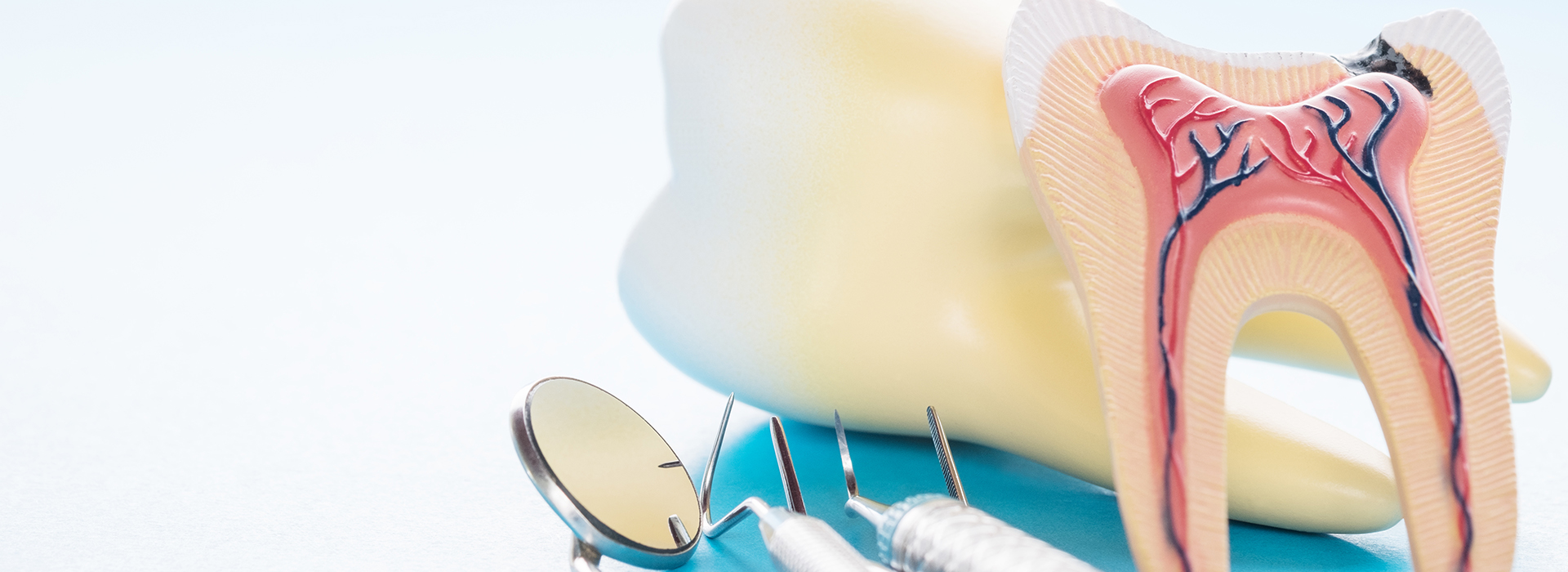
Cross-section tooth model showing a cavity, pulp and roots beside dental mirror and probes, illustrating root canal treatment

If your dentist recommends a root canal, there's no reason to panic. Modern root canal therapy is a predictable, comfortable procedure designed to stop pain, remove infection, and preserve the natural tooth whenever possible. For many people it is the least invasive way to restore oral health while keeping the structure and function of the mouth intact.

At Macri Dental, we combine gentle chairside care with up-to-date diagnostic tools to make the experience as efficient and stress-free as possible. Our priorities are clear: protect your long-term oral health, keep you comfortable throughout treatment, and help you make informed decisions about the best path forward for your smile.

Saving a tooth: why choosing preservation matters

Keeping a natural tooth whenever feasible is often the best long-term option. A treated tooth that remains in the mouth preserves chewing function, supports adjacent teeth, and helps maintain the jawbone. In many cases, root canal therapy allows patients to avoid extraction and the subsequent restorative treatments that replacement teeth require.

Contemporary root canal procedures use refined instruments and biocompatible filling materials that have significantly improved outcomes. When performed with good restorative follow-up—a crown or other protective restoration—a treated tooth can remain functional for many years, often for life, with proper home care and routine checkups.

Choosing to preserve a tooth is not just about maintaining appearance; it’s about preventing the long-term consequences that can follow tooth loss, such as shifting teeth, changes in bite, and increased wear on remaining teeth. Preservation supports overall oral stability and reduces the need for more extensive dentistry down the road.

Smiling couple relaxing on a couch with popcorn and a phone, comfortable after root canal treatment

How the inner tooth becomes compromised

A tooth is more than enamel and dentin on the outside. Beneath those layers is the dental pulp, a small bundle of nerve tissue and blood vessels that kept the tooth developing during childhood. Once a tooth is fully formed, the pulp is no longer essential to the health of the tooth, but when it becomes injured or infected it can cause persistent pain and lead to serious damage if left untreated.

Pulp problems most commonly begin with decay that reaches deeply into the tooth or with an injury that exposes or bruises the inner tissues. Bacteria can enter through fractures, large fillings, or decay and create inflammation or infection. Over time that infection can spread to the root tip and the surrounding bone, prompting symptoms and a need for endodontic treatment.

Not every episode of sensitivity indicates irreversible pulp damage, but when the pulp is inflamed beyond recovery or has died, cleaning and sealing the root canal system becomes the reliable way to remove the source of infection while preserving the tooth’s outer structure.

Recognizing the warning signs that deserve prompt attention

Some patients experience dramatic, unmistakable symptoms: intense, lingering pain, especially that which wakes you up at night, or sharp pain when biting down. These patterns often mean the inner tissues are inflamed or infected and warrant timely evaluation. Extreme sensitivity to hot or cold that doesn’t settle after the stimulus is removed is another red flag.

Other signs are more subtle. A tooth that darkens or shifts in color after trauma can indicate that internal tissues have been compromised. Swelling in the gum around a tooth, a persistent pimple-like bump on the gum, or a change in how a tooth feels when you chew are also signals that require prompt assessment to prevent more extensive damage.

Occasionally a tooth with a severe internal problem may not cause significant pain at first and is only identified on routine radiographs. That’s why regular dental exams and digital imaging are important: they can spot early signs of root-end changes or bone involvement before symptoms escalate.

Dental hygienist in mask and gloves examining a smiling patient's teeth with dental tools during a root canal checkup

What modern root canal treatment looks like

Root canal therapy today is precise and patient-centered. After thoroughly numbing the area, the clinician isolates the tooth and creates a small access opening to reach the infected pulp chamber. Using a combination of magnification, digital imaging, and specialized rotary instruments, the dentist cleans and shapes the internal canal system to remove diseased tissue and bacteria.

Once canals are cleaned, they are disinfected and sealed with a biocompatible filling material to prevent reinfection. Many simple root canals can be completed in a single visit; more complex cases or teeth with active infection may be treated over two appointments to ensure complete resolution. If dental anxiety is a concern, sedation dentistry options are available to help patients remain calm and comfortable during treatment.

After root canal therapy, attention turns to restoring the tooth’s strength and function. Because a tooth that has undergone endodontic treatment can be more brittle, a protective crown or onlay is often recommended to shield the remaining structure and allow normal chewing without risk of fracture.

Cross-section tooth model showing inner pulp and nerves beside a dental mirror and probes, illustrating root canal treatment

Recovery, restoration, and long-term outlook

Recovery from a root canal is generally straightforward. It’s common to feel mild soreness for a few days as the surrounding tissues heal; this can typically be managed with over-the-counter anti-inflammatories or other medications your clinician recommends. If antibiotics are prescribed for an active infection, it’s important to complete the full course.

Protecting the treated tooth while it is being restored is important. Until a permanent crown or restoration is placed, avoid heavy chewing on that side and stay away from very hard or sticky foods. Once the definitive restoration is in place, you can usually return to normal function with confidence.

With appropriate restorative care and consistent oral hygiene, a tooth that has received quality root canal therapy can serve you for many years. Regular dental visits allow your provider to monitor healing radiographically and to address any concerns early if they arise.

Our team takes care to explain each step of treatment and the recommended restoration plan so you understand how the procedure supports both short-term relief and long-term oral health. If questions or unexpected symptoms occur after treatment, prompt communication helps ensure the best possible outcome.

In summary, root canal therapy is a reliable way to eliminate infection, relieve pain, and preserve your natural tooth. If you have symptoms that suggest a problem, or if your dentist has recommended endodontic treatment, please contact us to learn more about your options and to schedule an evaluation.


Frequently Asked Questions

What is a root canal and why is it performed?

+

A root canal is a dental procedure that removes infected or damaged pulp from inside a tooth to eliminate pain and stop the spread of infection. The treatment preserves the tooth's outer structure and allows the tooth to continue functioning for chewing and support. By cleaning, disinfecting, and sealing the internal canals, a root canal addresses the source of infection while retaining the natural tooth.

Preserving a natural tooth is often preferable to extraction because it helps maintain jawbone health, preserves adjacent teeth from shifting, and reduces the need for more extensive restorative work. When combined with proper restoration and routine dental care, a successfully treated tooth can remain functional for many years. Early evaluation and treatment help improve the long-term prognosis of the tooth.

How does the inner tooth become infected or damaged?

+

The inner portion of the tooth, called the dental pulp, contains nerves and blood vessels that can become inflamed or infected when bacteria gain access. Common pathways for bacteria include deep decay that reaches the pulp, cracks or fractures in the tooth, and trauma that exposes or bruises internal tissues. Large or recurrent fillings can also provide routes for bacteria to enter the pulp chamber over time.

Once bacteria invade, inflammation can progress to infection at the root tip and surrounding bone, which may cause pain, swelling, or abscess formation. In some cases the pulp becomes necrotic without dramatic symptoms and the problem is first identified on a radiograph. Timely diagnosis often prevents more extensive loss of supporting bone and simplifies treatment.

What does modern root canal treatment involve?

+

Modern root canal therapy is precise and patient-centered, beginning with thorough anesthesia and isolation of the tooth to maintain a sterile field. The clinician creates a small access opening, then uses magnification, digital imaging, and specialized instruments to remove infected tissue and shape the canal system. Canals are disinfected and sealed with biocompatible filling materials to reduce the risk of reinfection.

Many straightforward cases are completed in a single visit, while teeth with active infection or complex anatomy may require staged appointments to ensure complete healing. Sedation options are available for patients who experience anxiety, and a protective final restoration is typically planned to restore strength and function after endodontic therapy.

Will I feel pain during the procedure?

+

With current anesthetic techniques, most patients experience little to no pain during a root canal procedure. The area is thoroughly numbed before any work begins, and isolation helps minimize discomfort and reduce contamination. Clinicians monitor patient comfort throughout the appointment and can adjust anesthesia or offer sedation if needed.

It is common to feel mild soreness for a few days after treatment as surrounding tissues heal, and this is usually managed with over-the-counter anti-inflammatory medication or other remedies recommended by your clinician. If pain is severe or symptoms worsen after treatment, contacting your dental provider promptly allows for evaluation and any necessary follow-up care.

How should I prepare for a root canal appointment?

+

Preparation for a root canal is generally straightforward: bring a list of current medications and a summary of your medical history, and arrive having eaten unless you and your provider have arranged sedation that requires fasting. Let the team know about any allergies, recent illnesses, or conditions such as pregnancy that could affect treatment planning. If you have dental anxiety, discuss sedation options ahead of time so the appropriate measures can be in place.

Plan to allow a little extra time for the appointment, and arrange transportation if you expect to receive moderate or deep sedation. Wear comfortable clothing and let the office know if you prefer a companion in the reception area while you are being treated. Clear communication with the dental team before the visit helps ensure a smoother, calmer experience.

What can I expect during recovery and aftercare?

+

Recovery after root canal therapy is usually quick, with most patients experiencing only mild tenderness for a few days as tissues heal. Over-the-counter anti-inflammatory medications and gently applied cold packs can reduce discomfort, and your clinician will advise if a prescription or antibiotics are necessary for an active infection. Follow any postoperative instructions carefully, including when to resume normal oral hygiene around the treated tooth.

Until the final restoration is placed, avoid heavy chewing on the treated side and stay away from very hard or sticky foods that could damage the temporary seal. Keep scheduled follow-up and restorative appointments so the tooth receives the protective crown or onlay that often helps prevent fracture and reinfection. Regular dental exams and good home care support long-term success.

Will a tooth treated with a root canal need a crown or other restoration?

+

Because a tooth that has undergone root canal therapy can be more brittle, many treated teeth benefit from a protective restoration such as a crown or onlay to restore strength and function. The choice of restoration depends on factors like the tooth's location, the amount of remaining tooth structure, and the patient's bite. A well-fitted restoration helps distribute chewing forces and reduces the risk of fracture.

Timely placement of the definitive restoration is an important step in ensuring the long-term health of the treated tooth and preventing reinfection. Your clinician will explain the recommended restorative plan and timeline based on the specifics of your case, and will coordinate with you to complete that phase of care as soon as practical.

Are root canal treatments safe and reliable long term?

+

Yes, root canal treatments are considered safe and reliable when performed with modern techniques and followed by appropriate restorative care. Advances in materials, imaging, and instrumentation have improved outcomes and reduced complication rates. Success depends on proper cleaning and sealing of the canals and on restoring the tooth to protect it from fracture and reinfection.

Long-term prognosis is influenced by factors such as the tooth's anatomy, the presence of preexisting infection, the quality of the restoration, and ongoing oral hygiene. Regular dental visits and timely attention to any new symptoms help maintain the longevity of a treated tooth and identify potential concerns early.

What signs indicate I should seek prompt evaluation for a possible root canal?

+

Seek prompt dental evaluation for symptoms such as intense or persistent tooth pain, pain that wakes you at night, or severe sensitivity to hot and cold that lingers after the stimulus is removed. Sharp pain when biting, swelling in the gums near a tooth, or a pimple-like bump on the gum are also warning signs that warrant timely attention. A tooth that darkens in color following trauma may indicate internal damage even without significant pain.

Some teeth with serious internal problems produce minimal symptoms and are first identified on routine radiographs, which is why regular exams and digital imaging are important. If you notice any changes in how a tooth feels, changes in the surrounding gum tissue, or unexplained discomfort, prompt assessment can prevent more extensive treatment later on.

How do I schedule an evaluation or follow-up at Macri Dental?

+

To schedule an evaluation or follow-up, contact our office at 5420 S Quebec St, Ste 203, Greenwood Village, CO 80111 and call New Patients at (303) 225-8306 or Existing Patients at (303) 694-0585. Our team will help you arrange an appointment, discuss your symptoms, and advise whether digital imaging or an urgent visit is recommended. If you have recent radiographs from another office, let us know so we can review them as part of the evaluation.

During your visit, we will review your medical and dental history, perform a focused exam with digital imaging as needed, and explain recommended options for treatment and restoration. Clear communication about your symptoms and concerns helps our team create a care plan that balances comfort, long-term function, and preservation of your natural tooth.

Contact Us

Exceptional Dentistry, Centered Around You

Discover a dental experience built around your comfort, needs, and goals. Our team is here to answer your questions, help you explore your treatment options, and make scheduling your visit simple and convenient. Contact our office today and take the next step toward personalized, high-quality dental care for you and your family.

Office Hours

Monday
9:00 am - 5:00 pm
Tuesday
7:00 am - 4:00 pm
Wednesday
7:00 am - 3:00 pm
Thursday
7:00 am - 2:00 pm