Smiling woman with a blonde bob and tan cardigan showing healthy teeth after periodontal treatment

Emergency Treatment

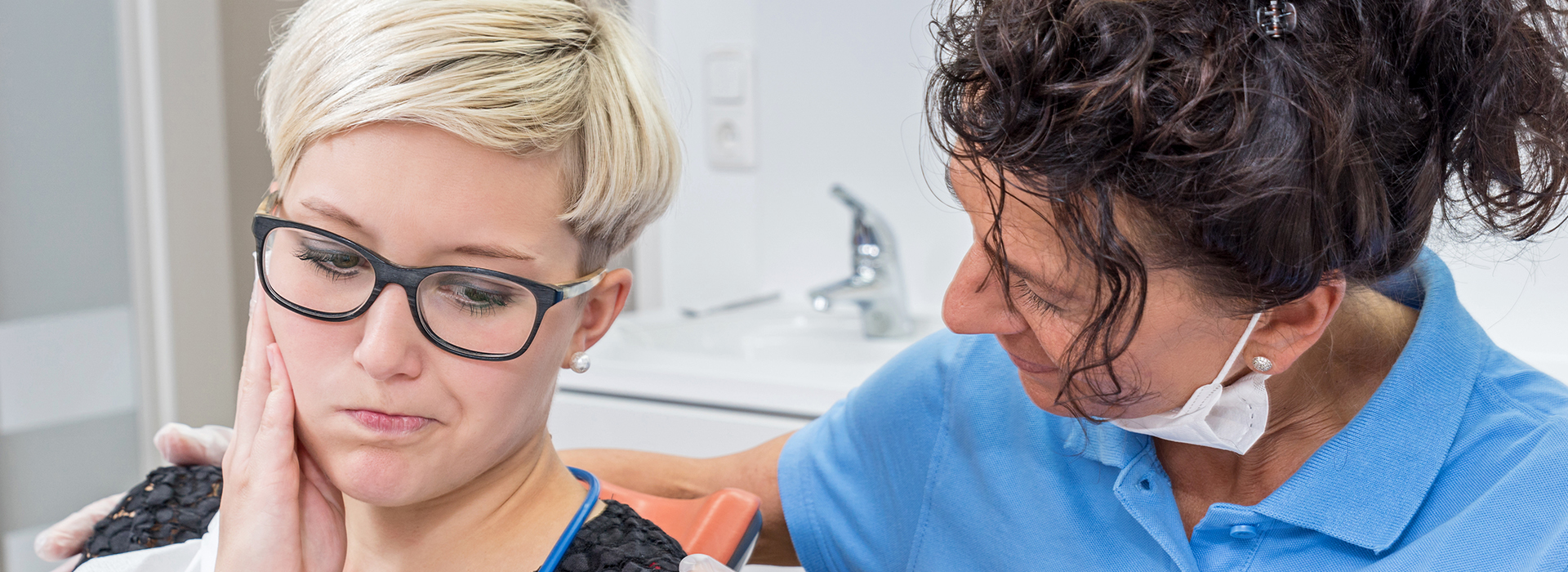
Dental team member in blue scrubs comforts a patient holding her cheek in pain during an emergency dental visit

When a Dental Problem Becomes Urgent: Recognizing True Emergencies

Not every toothache or mouth sore requires an emergency visit, but some situations demand prompt attention to prevent lasting damage. Severe, persistent pain that wakes you at night, sudden swelling that affects breathing or swallowing, a tooth that has been completely knocked out, or uncontrolled bleeding are all indicators that immediate professional care is needed. Understanding these red flags helps you act quickly and avoid complications that can affect your oral health and overall well-being.

Other urgent issues include a fractured tooth that exposes the inner tissues, a crown or filling that has come off and leaves sharp edges, and signs of a spreading infection such as fever, facial swelling, or increasing pain. Even when symptoms seem mild at first, they can escalate rapidly—so erring on the side of caution is wise. Early evaluation often means simpler treatment and better outcomes.

Residents of Greenwood Village and surrounding communities can expect the same standard of rapid assessment whether they call during office hours or arrive with an urgent concern. The sooner a problem is evaluated, the more options the dental team has to preserve natural teeth and restore comfort. Prompt attention also reduces the likelihood of needing more complex procedures later on.

Immediate Steps to Manage Pain and Protect Your Tooth

When an emergency occurs, simple, safe first-aid measures can stabilize the situation until you reach the office. Rinsing gently with warm salt water can help control minor bleeding and reduce bacterial load in the mouth. Applying a cold compress to the outside of the cheek helps limit swelling and can provide temporary pain relief for injuries caused by impact.

If a tooth has been knocked out, time is critical. Handle the tooth by the crown, avoid touching the root, and if possible, rinse it with saline or milk—do not scrub or dry it. Reposition the tooth into the socket only if you are comfortable doing so; otherwise, store it in milk or saliva and seek care immediately. For chipped or fractured teeth, protect exposed nerves by covering sharp edges with sugar-free gum or dental wax until you can be seen.

For sudden severe pain or swelling, over-the-counter pain relievers can offer temporary comfort, but they do not replace professional diagnosis and care. Avoid applying aspirin directly to gums or teeth, as this can irritate oral tissues. If you experience difficulty breathing or swallowing, seek emergency medical attention right away—dental treatment should follow once the immediate medical risk has been addressed.

What to Expect During Emergency Evaluation and Diagnosis

When you arrive for emergency care, the team will prioritize a focused evaluation to identify the source of pain or dysfunction. This typically begins with a medical history review and questions about how the problem began, followed by a careful clinical exam. Digital radiography and intraoral imaging are commonly used to reveal injuries or infections not visible to the naked eye, helping the dentist determine the most appropriate course of action.

Diagnostic tools allow clinicians to assess the extent of damage quickly and accurately—whether the concern is a deep cavity approaching the nerve, an abscessed tooth, or a fractured root. In some cases, a temporary measure such as placing medicated dressings, stabilizing a loose tooth, or prescribing antibiotics for a spreading infection will be necessary before definitive treatment can be completed.

The evaluation also includes a conversation about treatment priorities: relieving pain, controlling infection, and stabilizing structures to protect long-term oral health. The team will explain findings in plain language and outline recommended next steps so you understand the rationale behind urgent interventions and follow-up care.

Common Emergency Treatments and How They Restore Function

Emergency treatments range from conservative interventions to procedures designed to save a tooth. For many painful conditions, a filling or bonded restoration can repair damage and seal out bacteria. When decay or trauma extends to the nerve, root canal therapy often provides a predictable way to eliminate infection and preserve the natural tooth. These treatments are performed with attention to comfort and effectiveness, aiming to restore function and relieve symptoms.

For injuries such as loosened or displaced teeth, splinting may be used to stabilize the tooth while the supporting tissues heal. Crowns are commonly placed to rebuild fractured or weakened teeth once pain and inflammation are controlled. In cases where a tooth cannot be saved, extraction may be necessary; the focus then shifts to replacing the missing tooth to restore chewing ability and prevent shifting of neighboring teeth.

Modern implant-supported options, fixed bridges, and removable prosthetics are available to replace missing teeth when appropriate. The immediate priority in an emergency is to address pain and infection; longer-term restorative planning is undertaken once the acute phase is resolved so that solutions are durable, functional, and tailored to each patient’s needs.

Aftercare, Prevention, and Why Timely Care Matters

Recovery after emergency dental treatment includes following personalized aftercare instructions, which may cover pain management, diet modifications, oral hygiene practices, and signs that warrant another visit. Managing swelling and avoiding hard or sticky foods during healing helps protect repairs. If antibiotics or other medications are prescribed, it’s important to take them exactly as directed to ensure infection control.

Prevention plays a central role in reducing future emergencies. Regular checkups and imaging catch developing problems before they become urgent; night guards protect teeth for patients who grind, and protective appliances reduce injury risk during sports. Good oral hygiene and timely attention to small concerns can dramatically lower the chance of acute episodes that require emergency treatment.

Choosing a dental team that emphasizes both advanced diagnostics and compassion makes a difference in crisis situations. With experienced clinicians and modern technology on hand, patients can feel confident that their immediate needs will be addressed and that a clear path forward will be established for restoring and protecting long-term oral health. Macri Dental and its team are committed to providing that combination of rapid response and thoughtful care.

How to Reach Out and When to Seek Care

If you or a family member are experiencing dental pain, swelling, or trauma that fits the emergency criteria described above, seeking prompt professional evaluation is the best course. Delaying care can allow infections to spread or structural damage to worsen, often leading to more complex procedures later. When in doubt, a quick assessment can provide peace of mind and a plan for action.

The practice recommends contacting the office as soon as possible when an urgent dental issue arises so the team can prioritize appointments and prepare for any immediate interventions. During your visit, clinicians will focus on relieving pain, preventing further harm, and developing a follow-up plan tailored to your needs—whether that means completing a repair, initiating root canal treatment, or arranging restorative care.

To learn more about how emergency dental situations are handled or to discuss what to do in a specific circumstance, please contact us for additional information. Our goal is to help you navigate urgent oral health problems with confidence and to restore comfort and function as quickly and safely as possible.


Frequently Asked Questions

What counts as a dental emergency?

+

Dental emergencies are situations that require prompt professional evaluation to prevent lasting harm. Common red flags include severe, persistent pain that interrupts sleep, sudden facial swelling or difficulty breathing or swallowing, a tooth that has been completely knocked out, and uncontrolled oral bleeding. These signs suggest that immediate attention is needed to manage pain, limit infection, and protect oral structures.

Other urgent concerns include a fractured tooth that exposes inner tissues, a crown or filling that leaves sharp edges, and symptoms of a spreading infection such as fever or increasing facial swelling. Even issues that begin mildly can escalate quickly, so seeking evaluation early often means simpler, more effective treatment and better long-term outcomes.

What should I do right away if a tooth is knocked out?

+

If a tooth is completely displaced from its socket, time and proper handling are critical to improving the chance of saving it. Pick up the tooth by the crown only, avoid touching the root, and if dirty rinse it gently with saline or milk without scrubbing or drying; do not use soap. If you are comfortable, try to reinsert the tooth into the socket and hold it in place until you can get to the dental office.

If reinsertion is not possible, store the tooth in milk or saliva and seek care immediately because reimplantation success declines with time. Call the office as soon as possible so the team can prepare for emergency care; prompt professional attention gives the best chance of preserving the natural tooth and minimizing future restorative needs.

How can I manage pain and swelling before I get to the office?

+

Simple first-aid measures can reduce discomfort and limit swelling while you arrange dental care. Rinse gently with warm salt water to help control minor bleeding and reduce bacteria, and apply a cold compress to the cheek for 10 to 20 minutes at a time to reduce inflammation after trauma. Over-the-counter pain relievers such as acetaminophen or ibuprofen can temporarily ease pain, but avoid placing aspirin directly on gums or teeth because it can irritate oral tissues.

If swelling is accompanied by difficulty breathing or swallowing, seek emergency medical attention immediately and let dental care follow once the airway is secure. For signs of spreading infection—persistent fever, enlarging facial swelling or severe pain—contact the dental office promptly so that clinicians can determine whether antibiotics or urgent drainage are required before definitive treatment.

When should I go to the emergency room instead of the dental office?

+

The emergency room is the appropriate choice when a dental problem creates an immediate threat to overall health or life. Go to the ER or call 911 if you have airway compromise, severe uncontrolled bleeding that does not stop with pressure, or other life-threatening symptoms that require urgent medical stabilization. Emergency departments can manage airway and systemic risks before dental treatment is considered.

For severe dental pain, localized swelling without airway compromise, knocked-out teeth, and infections that are not immediately life-threatening, contacting your dental office is usually the best first step. The dental team can triage the case, provide same-day evaluation when possible, and arrange interventions that specifically address oral causes of pain and infection.

What happens during an emergency dental evaluation?

+

An emergency evaluation begins with a focused medical history and discussion of how the problem started so the clinician can target the likely cause quickly. The dentist performs a careful clinical exam and commonly uses digital radiography and intraoral imaging to identify injuries or infections not visible to the naked eye. These diagnostic tools help clinicians determine whether the issue is a deep cavity, abscess, root fracture, or other urgent problem.

Once the source of pain or dysfunction is identified, temporary measures such as medicated dressings, stabilization of a loose tooth, or a prescription for antibiotics may be provided to control symptoms and infection. The dentist will explain findings and outline immediate priorities—relieving pain, controlling infection, and protecting structures—before discussing follow-up care and definitive treatment options.

Which emergency treatments can save a tooth?

+

Emergency treatments aim to relieve pain and preserve the natural tooth whenever possible. Conservative repairs such as fillings or bonded restorations can seal out bacteria and restore function for many injuries, while root canal therapy is the standard option when damage extends to the nerve and infection needs to be removed. For traumatized but salvageable teeth, splinting can stabilize a tooth while surrounding tissues heal.

When a tooth cannot be saved due to severe structural damage or uncontrolled infection, extraction may be necessary to protect overall oral health. After the acute issue is managed, clinicians and patients can plan durable restorative options such as implant-supported replacements, fixed bridges, or removable prosthetics to restore chewing ability and prevent shifting of neighboring teeth.

How are dental infections handled in emergency situations?

+

Dental infections that present in emergency settings are treated based on severity and spread. Localized infections may be managed with drainage and definitive dental care such as root canal therapy, while signs of spreading infection—fever, facial swelling, difficulty swallowing—often require antibiotics in addition to local treatment. The dentist will evaluate systemic symptoms and may coordinate care with medical providers if the infection threatens general health.

It is important to take any prescribed medications exactly as directed and to attend scheduled follow-up appointments so definitive treatment can be completed. Prompt control of infection reduces the risk of complications and improves the chances of saving the tooth or achieving a favorable restorative outcome.

What should I expect during recovery after emergency dental care?

+

Recovery depends on the type of emergency treatment provided, but following aftercare instructions helps ensure predictable healing. Instructions commonly include using recommended pain management strategies, following a soft-food diet for a short period, maintaining gentle oral hygiene around the treated area, and avoiding actions that place stress on repairs. Managing swelling with cold compresses early and following any medication directions supports comfort and recovery.

Watch for signs that warrant prompt follow-up, such as increasing pain, persistent fever, or worsening swelling, and contact the office if these occur. The dental team will schedule follow-up visits to complete definitive care—such as placing a crown or finishing a root canal—and to monitor healing until long-term restorative plans can be implemented.

How can I reduce the risk of future dental emergencies?

+

Many emergencies can be prevented through routine dental care and appropriate protective measures. Regular checkups and imaging let clinicians identify decay, cracks, or other problems before they escalate, while night guards can protect teeth from grinding and mouthguards reduce injury risk during sports. Addressing small concerns promptly often prevents them from becoming acute problems that require emergency intervention.

Good daily oral hygiene and open communication with your dental team about changes in symptoms or medical history also lower emergency risk. You can further protect your teeth by avoiding chewing hard objects and by following professional recommendations for preventive treatments tailored to your individual needs.

How do I reach the office for same-day emergency care?

+

If you have an urgent dental issue, contact the office as soon as possible so the team can triage and prioritize appointments; new patients should call (303) 225-8306 and existing patients can call (303) 694-0585. Providing a brief description of symptoms when you call helps staff prepare equipment and materials for a focused evaluation. The practice address is 5420 S Quebec St, Ste 203 in Greenwood Village if you need to come in person for assessment.

When you arrive, bring a list of current medications and any relevant medical history so clinicians can evaluate risks and plan safe, effective care. Macri Dental's team will focus first on relieving pain and controlling infection, then explain next steps and arrange follow-up treatment tailored to restore function and protect long-term oral health.

Contact Us

Exceptional Dentistry, Centered Around You

Discover a dental experience built around your comfort, needs, and goals. Our team is here to answer your questions, help you explore your treatment options, and make scheduling your visit simple and convenient. Contact our office today and take the next step toward personalized, high-quality dental care for you and your family.

Office Hours

Monday
9:00 am - 5:00 pm
Tuesday
7:00 am - 4:00 pm
Wednesday
7:00 am - 3:00 pm
Thursday
7:00 am - 2:00 pm