Smiling woman with a blonde bob and tan cardigan showing healthy teeth after periodontal treatment

Tooth Recontouring

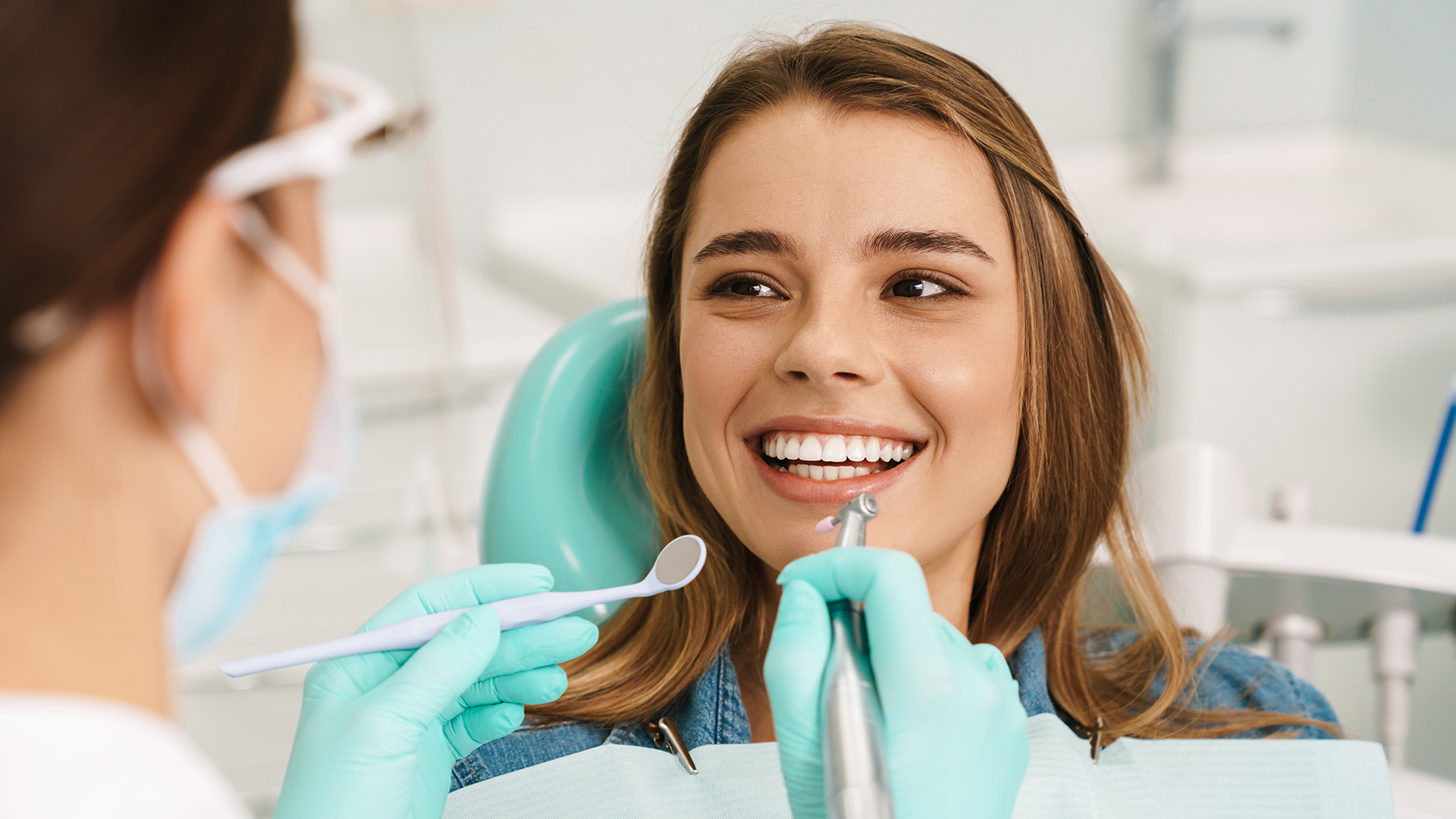
Smiling patient in a dental chair as a masked dentist holds a mirror and polishing tool for tooth recontouring

What tooth recontouring is and why it’s used

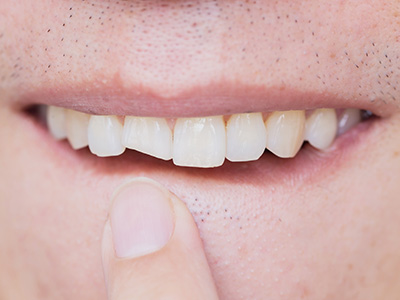
Tooth recontouring, sometimes called enameloplasty, is a conservative cosmetic procedure that reshapes small imperfections in the visible edges and contours of teeth. Rather than adding material, the dentist removes minute amounts of enamel to smooth chips, shorten overly long teeth, or relieve minor crowding where teeth appear slightly overlapped. Because the change is achieved by subtle sculpting, recontouring preserves the natural appearance of the tooth while creating a more balanced smile.

The goal is aesthetic refinement rather than structural restoration. Recontouring is most effective when the issue is limited to the surface or margin of the tooth and when the enamel thickness is sufficient to allow modest reshaping without exposing dentin. The technique is often combined with polishing to ensure a natural gloss and comfortable bite. When performed carefully, it can deliver noticeable improvement with minimal intervention.

This approach is intentionally simple and low-risk compared with more invasive cosmetic options. It avoids the need for crowns or veneers in cases where only minor adjustments are required, and it typically preserves more of the natural tooth. That said, because enamel is removed during the process, recontouring is a permanent change and should be planned with thoughtful evaluation.

Who makes a good candidate for reshaping

Ideal candidates are patients with small chips, uneven edges, slightly irregular bite contacts, or mild overlaps that affect the look more than the function of a tooth. People with overall healthy teeth and gums who want a quick improvement in smile symmetry often benefit most. A thorough clinical exam helps determine whether there is enough enamel and whether reshaping will produce a stable, attractive result.

Candidates should not have extensive decay, active gum disease, or very thin enamel, as these conditions can limit the amount of safe reshaping. Patients who grind their teeth (bruxism) require special consideration because ongoing wear can negate or complicate cosmetic changes; a night guard or other protective measures may be recommended before or after treatment. The practice will also review bite alignment to avoid creating new contact problems.

During an initial consultation at our Greenwood Village office, we assess tooth structure, take diagnostic photos, and discuss aesthetic goals. If recontouring is not the best option, we explain alternatives — such as bonding, veneers, or orthodontics — and help patients choose the approach that best matches their priorities for appearance, longevity, and conservation of natural tooth structure.

How the procedure is performed — step by step

Recontouring begins with a careful evaluation and planning session. Your dentist examines the teeth, often using magnification and intraoral photos to visualize the intended changes. This planning ensures that only the smallest, safest amount of enamel is removed. In many cases no anesthesia is needed; when changes are near a sensitive area, a topical or local anesthetic can be used for patient comfort.

Actual reshaping uses fine dental instruments, such as sanding discs, diamond-coated strips, or polishing burs, to gently reduce enamel and refine edges. The clinician works incrementally and frequently checks symmetry and occlusion (how the teeth come together) to avoid creating high spots. After the desired contour is achieved, the tooth surfaces are smoothed and polished so the finish blends with surrounding teeth and resists staining.

The entire visit is typically brief — often completed in a single appointment. Because the focus is on conservative modification, recovery is immediate and normal activities can resume right away. If recontouring is performed in conjunction with other treatments (for example, whitening or bonding), the plan may involve staged visits to optimize timing and aesthetics.

Benefits, realistic expectations, and limitations

One of the chief benefits of recontouring is its conservatism: it improves appearance while preserving most of the natural tooth. Results are immediate and require minimal recovery, making it an appealing option for patients seeking subtle, predictable enhancement. When combined with professional whitening or minor bonding, recontouring can be part of a comprehensive smile-refresh without extensive restorative work.

It’s important to maintain realistic expectations. Recontouring is not appropriate for significant tooth alignment problems, large chips that require structural repair, or teeth with very thin enamel. Because enamel removal is permanent, over-aggressive reshaping can create sensitivity or require follow-up restoration. Your dentist will explain what degree of change is achievable and durable for your specific situation.

Long-term success depends on good oral hygiene, attention to bite habits, and routine dental care. Patients who clench or grind may need protective measures to safeguard their results. When recontouring is selected for the right indications and performed conservatively, it offers a high level of patient satisfaction and a natural-looking outcome.

Aftercare, maintenance, and when to follow up

After tooth recontouring, most patients experience little to no discomfort and can return to normal eating and brushing immediately. Gentle hygiene practices and the use of a soft-bristled brush help maintain the newly finished edges. If any sensitivity appears, it is usually mild and transient; your dentist can recommend desensitizing toothpaste or other measures if needed.

Routine dental visits are important to monitor the reshaped teeth and overall oral health. At follow-up checks your clinician will confirm that contacts and occlusion remain comfortable and that the enamel surface maintains its polish. If minor adjustments are needed over time, they are typically straightforward to perform during a regular appointment.

For patients with habits that place extra stress on teeth, such as bruxism or certain recreational activities, a customized night guard or protective appliance may be advised to protect both reshaped and natural tooth surfaces. Proper care and occasional professional polishing will help preserve the aesthetic improvement for years to come.

Tooth recontouring is a precise, conservative way to refine your smile with a minimal footprint. When recommended after careful evaluation, it can deliver a subtle but meaningful improvement using the patient’s natural teeth. If you’d like to learn whether this treatment is right for you, contact our office for more information and to schedule a consultation. Our team at Macri Dental is happy to answer questions and help you explore the most appropriate options for your smile.
Frequently Asked Questions

What is tooth recontouring and how does it differ from other cosmetic procedures?

+

Tooth recontouring, also called enameloplasty, is a conservative cosmetic procedure that reshapes small imperfections in the visible edges and contours of teeth. Rather than adding material, the dentist removes minute amounts of enamel to smooth small chips, shorten overly long edges, or resolve minor overlaps. The change is achieved through subtle sculpting designed to preserve the tooth's natural appearance.

Unlike crowns or veneers, recontouring removes enamel instead of covering or rebuilding tooth structure, so it is most effective for surface or margin problems where enamel thickness is sufficient. The technique is often paired with polishing to create a seamless gloss and comfortable bite. Because enamel removal is permanent, careful planning and conservative execution are essential to a successful outcome.

Who is a good candidate for tooth recontouring?

+

Ideal candidates have small chips, uneven edges, slight overlaps, or minor contact issues that affect appearance more than function, and they generally have healthy teeth and gums. A clinical exam verifies that there is enough enamel to allow modest reshaping without exposing dentin. Diagnostic photos and magnified assessment help the clinician map safe removal areas before any work begins.

People with extensive decay, active periodontal disease, or very thin enamel are usually not good candidates because those conditions limit safe reshaping options. Patients who habitually grind or clench their teeth need special evaluation because ongoing wear can reduce the durability of cosmetic adjustments. When recontouring is not appropriate, alternatives such as bonding, veneers, or orthodontics are discussed to achieve the desired result.

How is the tooth recontouring procedure performed?

+

The procedure begins with a careful evaluation and planning session using magnification and intraoral photography to visualize the intended changes and confirm enamel thickness. In many cases no anesthesia is required, but a topical or local anesthetic can be used when reshaping is near a sensitive area. The dentist marks the planned contours and proceeds incrementally to avoid removing more enamel than necessary.

Reshaping is completed with fine dental instruments such as sanding discs, diamond-coated strips, and polishing burs to reduce enamel and refine edges while checking symmetry and occlusion. The clinician frequently evaluates how the teeth come together to avoid high spots and ensure comfortable bite contacts. After contouring, the surfaces are smoothed and polished so the finish blends naturally with surrounding teeth.

Is tooth recontouring painful and what anesthesia is used?

+

Most patients experience little to no discomfort during tooth recontouring because only enamel is being adjusted and the procedure is minimally invasive. For routine reshaping of the outer enamel, anesthesia is often unnecessary, and many people tolerate the process without any numbness. When work approaches a sensitive area or when a patient prefers extra comfort, the dentist can apply a topical or local anesthetic for short-term numbness.

After the appointment any sensitivity is usually mild and transient, resolving within days as the enamel surface stabilizes. If increased sensitivity persists, your dentist can recommend desensitizing toothpaste or other measures to manage symptoms. Patients should contact the office if they notice ongoing discomfort or changes in bite following the procedure.

What are the benefits and limitations of tooth recontouring?

+

One of the main benefits of recontouring is its conservatism: it produces immediate aesthetic improvement while preserving most of the natural tooth structure. Recovery is rapid, and patients can generally return to normal activities right away, making it an appealing option for those seeking subtle, predictable enhancement. When combined with whitening or limited bonding, recontouring can contribute to a cohesive smile refresh without full restorative work.

However, recontouring is not suitable for significant misalignment, large structural chips, or teeth with very thin enamel, because those conditions require restorative or orthodontic solutions. Because enamel removal is permanent, over-aggressive reshaping can create sensitivity or necessitate future restoration. Your dentist will outline realistic outcomes and recommend alternatives when recontouring cannot achieve the desired, durable result.

How long do the results of tooth recontouring last and what affects longevity?

+

Results from conservative recontouring are durable when enamel integrity is preserved and the patient maintains good oral hygiene and protective habits. Factors that influence longevity include bite forces, bruxism, diet, and any history of trauma that might chip or wear the enamel. Regular dental checkups help identify early changes and allow for timely adjustments or maintenance polishing to keep edges smooth.

Patients who clench or grind their teeth may need a customized night guard or other protective appliance to safeguard reshaped surfaces and extend the life of the cosmetic improvement. Maintaining consistent oral care and attending routine visits are important to monitor occlusion and surface condition. With appropriate care and protective measures, many patients enjoy stable, pleasing results for years.

Can tooth recontouring be combined with other cosmetic or restorative treatments?

+

Yes, recontouring is frequently combined with other treatments such as professional whitening, composite bonding, or limited veneers as part of a broader smile-design plan. Combining treatments allows clinicians to address color, contour, and minor structural concerns in a coordinated way to produce a balanced, natural-looking result. Proper sequencing is important; for example, whitening often precedes final polishing or bonding to ensure color match and long-term stability.

When orthodontic needs exist, recontouring may be deferred until alignment is achieved, or it may be used selectively after tooth movement to refine edges. Your dentist will recommend an individualized treatment timeline that optimizes function, aesthetics, and conservation of tooth structure. Staged visits help achieve predictable outcomes while minimizing unnecessary alteration of enamel.

What aftercare and maintenance are recommended following recontouring?

+

After recontouring most patients can resume normal brushing and eating immediately, though a soft-bristled brush and nonabrasive toothpaste are recommended while surfaces settle. If mild sensitivity occurs, desensitizing toothpaste or topical agents can be used until symptoms diminish. Good oral hygiene practices and regular professional cleanings will help preserve the finish and overall tooth health.

Routine dental visits allow the clinician to monitor occlusion and polish reshaped edges if needed to remove minor staining or roughness. For patients with habits that stress tooth surfaces, such as bruxism or contact sports, a protective appliance like a night guard or mouthguard may be advised. Report any persistent sensitivity or changes in bite so adjustments can be made promptly.

What are the potential risks or side effects associated with tooth recontouring?

+

Tooth recontouring is generally low risk when performed conservatively, but potential side effects include increased sensitivity, inadvertent exposure of dentin if too much enamel is removed, and altered bite contacts if occlusion is not carefully managed. These outcomes are uncommon when the procedure is planned with magnification and precise technique. The clinician minimizes risk by removing the smallest amount of enamel necessary and by frequently checking symmetry and occlusion throughout the procedure.

Long-term follow-up and appropriate protective measures reduce the chance of complications and help maintain results. If risk factors are identified during the evaluation, your dentist will propose alternatives such as bonding, veneers, or orthodontics that better protect tooth structure. Open communication about expectations and habits helps ensure safe, satisfactory care.

How do I find out whether tooth recontouring is the right option for my smile?

+

The best way to determine if recontouring is appropriate is to schedule a consultation for a clinical exam, diagnostic photos, and a discussion of your aesthetic goals and medical history. During this visit the dentist assesses enamel thickness, bite relationships, and any risk factors such as decay or periodontal concerns that could affect the plan. If recontouring is unlikely to achieve the desired outcome, your clinician will explain other conservative options like bonding or orthodontics and help you choose the most suitable approach.

If you would like a personalized evaluation, contact Macri Dental to arrange a consultation at our Greenwood Village office and review potential treatment paths. Our team will explain the recommended steps, expected results, and any necessary protective measures so you can make an informed decision about your smile care.

Contact Us

Exceptional Dentistry, Centered Around You

Discover a dental experience built around your comfort, needs, and goals. Our team is here to answer your questions, help you explore your treatment options, and make scheduling your visit simple and convenient. Contact our office today and take the next step toward personalized, high-quality dental care for you and your family.

Office Hours

Monday
9:00 am - 5:00 pm
Tuesday
7:00 am - 4:00 pm
Wednesday
7:00 am - 3:00 pm
Thursday
7:00 am - 2:00 pm